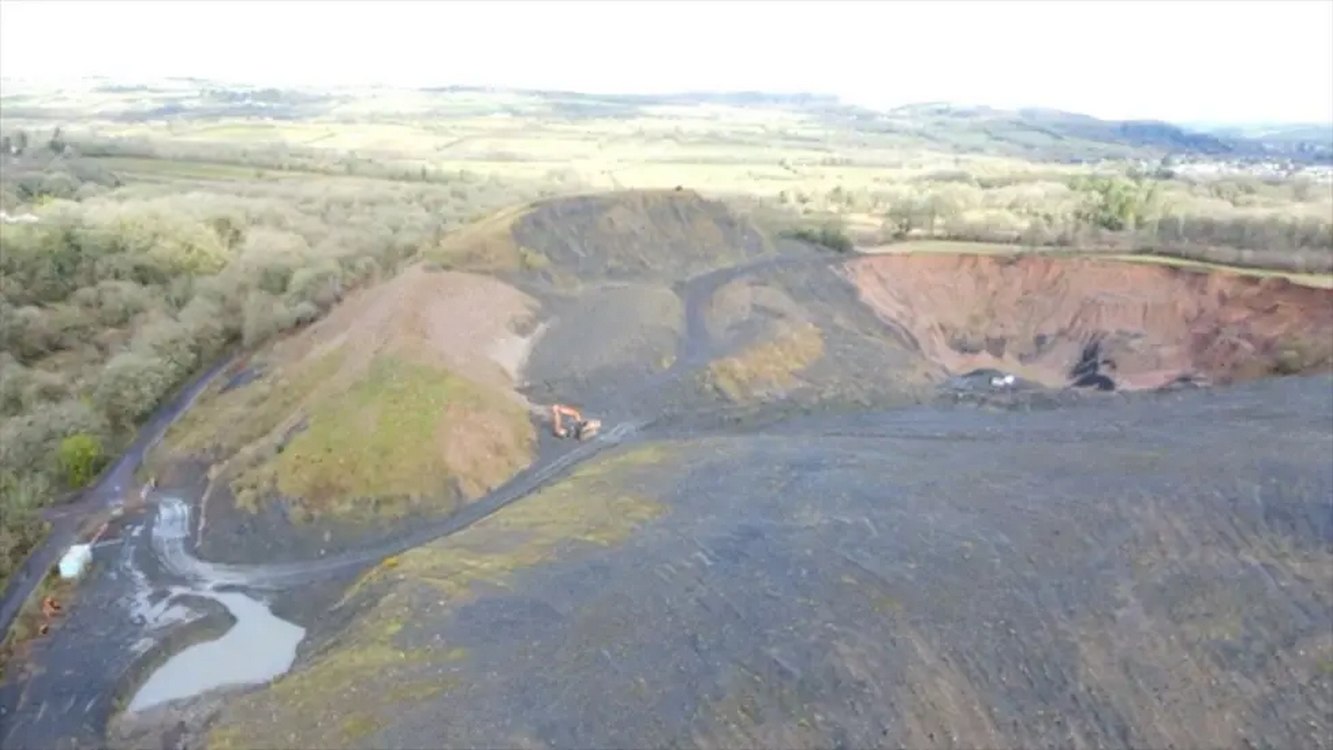
In a small Welsh village nestled among rolling hills and ancient hedgerows, a tiny butterfly has helped close the final chapter on coal mining expansion in the United Kingdom.
Carmarthenshire Council voted this month to reject plans by Bryn Bach Coal Ltd. to extend the Glan Lash opencast mine near Llandybie, blocking extraction of 85,000 tons of coal across 10.3 hectares. The decision means there are now no outstanding applications for new coal mines anywhere in the country — a milestone that would have seemed impossible just years ago.
The council's rejection centered on habitat protection. Planning officer Rhodri Griffiths cited "unacceptable disturbance, degradation and loss" of irreplaceable peatland, along with threats to nearby protected woodland and hedgerows. But the fate of the marsh fritillary butterfly may have been the decisive factor: the species, one of Britain's most threatened insects, still flies in these Carmarthenshire hills.
"This decision reflects a clear, strategic commitment to climate leadership, rare habitat protection, and safeguarding the health of surrounding communities," the Coal Action Network told the BBC.
The Glan Lash mine itself opened in 2012, originally approved to excavate 92,500 tons over four-and-a-half years. Bryn Bach's first expansion proposal was rejected back in 2019, and this latest rebuff leaves the company with just six months to appeal. The company argued that the coal it extracts is non-thermal — destined not for power plants but for manufacturing, including water filtration systems and battery production — but the council found the environmental costs outweighed those considerations.
Wales has long sat at the heart of Britain's coal history. The largest open-pit coal mine in the UK was also located there, and its own expansion plans have now been rejected, potentially permanently. Only one underground coal mine remains operational in Wales today.
For clean energy advocates, the moment marks more than a local victory. It signals a country that has turned a corner — where the technical challenges and upfront capital required to open any new mine must now clear not only financial hurdles, but a shifting political and social landscape that has quietly, decisively, moved against the industry. The butterflies, it seems, are not the only ones feeling the change in the air.