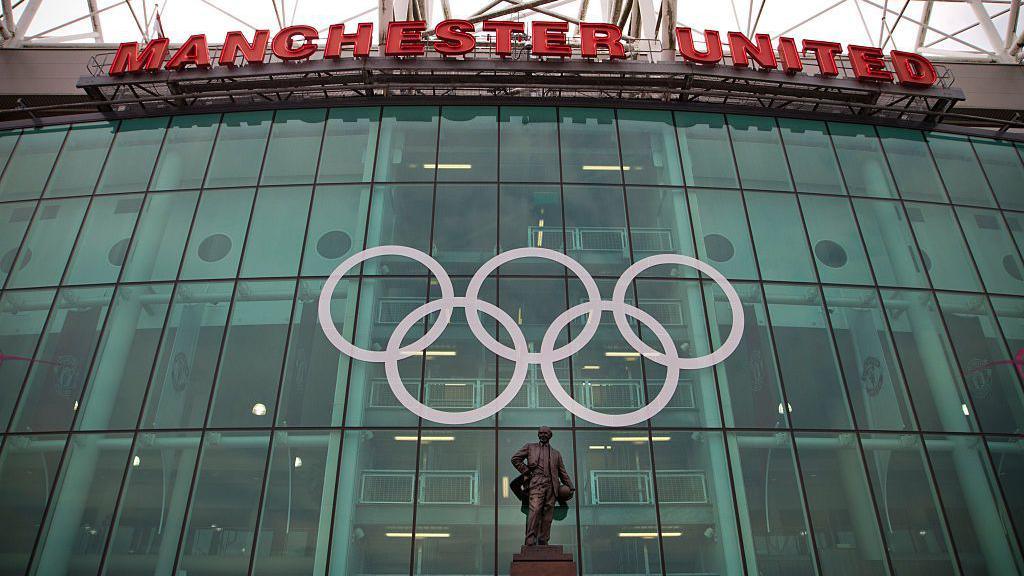
For too long, the Olympics has been treated as a prize too grand, too expensive, too logistically impossible for northern England to claim. That narrative is changing. The UK government has now commissioned UK Sport to conduct an "initial strategic assessment" into whether the north of England could host the Olympic and Paralympic Games sometime in the 2040s—a move that would bring the Olympics back to British soil for the first time since London 2012.
The shift signals a deliberate effort to spread the benefits of mega-sporting events beyond London, where Sir Sadiq Khan had previously campaigned for the Games to return to the capital. "For too long we have been told the Olympics is simply too big and too important to be hosted in the north," Culture Secretary Lisa Nandy told BBC Sport. "Not any more. It's time the Olympics came north and we showed what we can offer to the world."
The assessment will examine whether the UK could realistically host the Games again, while analyzing potential costs, socio-economic benefits, and the likelihood of a successful bid. If UK Sport's phase-one study proves promising, a more detailed technical feasibility study would follow, with the final decision resting with the British Olympic Association.
The north already possesses substantial sporting infrastructure. Manchester hosts the national velodrome and an aquatics centre, while the Etihad Stadium—originally built as the City of Manchester Stadium for the 2004 Commonwealth Games—stands as a landmark venue. Manchester United is aiming to complete a new 100,000-seat stadium by 2035, and Leeds United has plans to develop Elland Road. Liverpool's Albert Dock and River Mersey have been suggested as potential sailing venues, with the Lake District considered for open-water swimming.
The logic behind pursuing this now is partly financial and partly political. The International Olympic Committee has signaled greater openness to multi-city or regional bids, reducing pressure on host nations to build entirely new facilities. London 2012 cost £8.77 billion—triple its original budget—yet more than two-thirds of the UK public surveyed the following year felt the money was well spent. That Games brought significant investment and helped regenerate east London, though it fell short of hopes to boost sporting participation nationwide.
Culture Secretary Nandy acknowledged the infrastructure challenges ahead, particularly around athletics facilities. "There are particular challenges around some of the athletics facilities, but actually these are things that any government should be addressing anyway," she said, framing the Olympic bid as an opportunity for broader regional development. "The reality of the current financial context is that we want to work with what infrastructure already exists."
The moment reflects a broader political priority: channelling investment and international attention toward a region that has historically felt overlooked in favour of the capital. In February, a group of northern political leaders made their case to government, arguing the region had "many of the foundations in place to deliver a world-class Games." North East Mayor Kim McGuinness voiced readiness to collaborate with ministers and sporting bodies. "We stand ready to work together to develop a credible, deliverable vision that can make the case to the International Olympic Committee."
The study's findings will be decisive—they determine whether the north's Olympic ambition advances to serious planning or remains a promising idea for now.