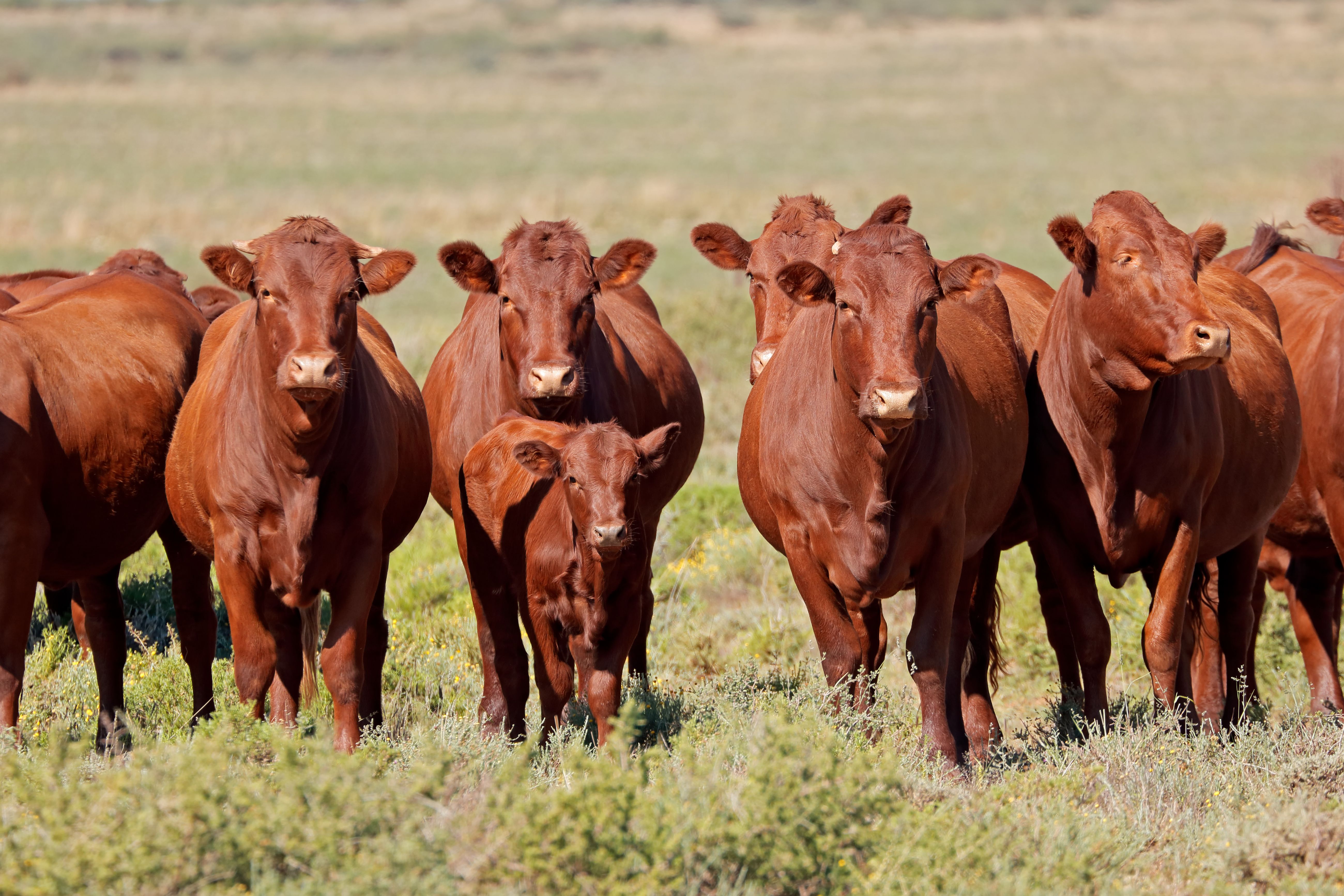
In a laboratory in Greifswald, Germany, a herd of vaccinated cattle faced direct exposure to foot-and-mouth disease—and not a single animal showed signs of infection. This success in a clinical trial conducted by the Friedrich Loeffler Institute, Germany's Federal Institute for Animal Health, represents a breakthrough that could reshape livestock protection across continents where the disease remains endemic or resurging.
Foot-and-mouth disease is a relentless adversary. The highly contagious viral infection strikes animals with divided hooves—cattle, pigs, sheep, goats, and deer—triggering fever, blisters that erode into open wounds, and a cascade of debilitating symptoms: lameness, excessive salivation, reluctance to move, and in dairy herds, plummeting milk production. While rarely fatal in adult animals, infected livestock emerge permanently weakened, their economic value diminished. In newborns, the disease can prove deadly. More broadly, FMD has become a global concern, endemic across parts of Africa, Asia, and the Middle East, with recent outbreaks rattling Europe's cattle populations. For Australia, where the disease looms in neighboring countries, it represents a pressing biosecurity threat.
The new vaccine, developed by Tiba Biotech—a biopharmaceutical company pioneering next-generation RNA vaccines—offers something the existing arsenal does not. Built on a dendrimer nanoparticle delivery platform originally invented at MIT and the Whitehead Institute, the vaccine uses treelike synthetic molecules to carry RNA directly into cells, triggering a protective immune response. All vaccinated animals in the trial showed complete protection with no viral shedding and no adverse effects. The breakthrough reflects an international partnership spanning the Elizabeth Macarthur Agricultural Institute and the RNA Institute at the University of New South Wales, with backing from Australia's meat industry and government agricultural departments.
What sets this vaccine apart extends beyond efficacy. Unlike many current mRNA vaccines that demand ultra-cold storage, Tiba's platform uses biodegradable nanoparticles that degrade naturally after delivering their immune-triggering payload. The vaccine can be stored long term at standard refrigeration temperatures and remains viable at room temperature for up to a month—a practical advantage for farmers and veterinarians in regions where cold-chain logistics are challenging or expensive.
The path forward, however, requires patience. Regulatory approval from animal health authorities worldwide remains essential before the vaccine reaches farms and herds. Peter McGrath, Tiba's cofounder and head of Australian operations, acknowledged this reality in a statement accompanying the trial results: "Our focus now shifts to working closely with regulators to ensure the vaccine meets the highest standards of safety and effectiveness, and ultimately to make this breakthrough available to the farmers and producers who need it most."
The timing matters. Europe's recent FMD outbreaks and the disease's persistence in neighboring countries to Australia have heightened urgency. For livestock producers in endemic regions where FMD causes significant economic losses, a vaccine offering complete protection could be transformative. The trial's success, built on prior livestock vaccine research supported by the Bill and Melinda Gates Foundation and Canada's International Development Research Centre, suggests the scientific foundation is solid. What remains now is the careful regulatory dance—the final proof that this promising protection can safely reach the animals that need it most.