Every weekend in Lagos, 36-year-old Izien Aigbodion strolls down his street with three dogs—a poodle and two chow chows—treats and water bottle in hand. Neighbours stop to stare, still unaccustomed to seeing dogs on leashes beside their owners rather than in cages. "People believe that dogs can only follow orders," Aigbodion explains as one nudges his leg for attention. "But when you live with them, you come to appreciate things like loyalty, emotion, even empathy."
In Nigeria, where dogs have long been viewed primarily as guard animals or as meat served in "pepper soup" restaurants, Aigbodion's weekend ritual signals something profound: a cultural shift redefining the nation's relationship with dogs. For decades, dog meat—known locally as "404"—has been a familiar sight on open grills and in stews across Nigeria, especially in the south, where many consider it a cultural staple with supposedly healing benefits. The meat sells for approximately £13 to £25 per kilo in open markets across Lagos and Abuja, valued not only as food but also for its perceived spiritual benefits as a protector from evil spirits and a symbol of loyalty.
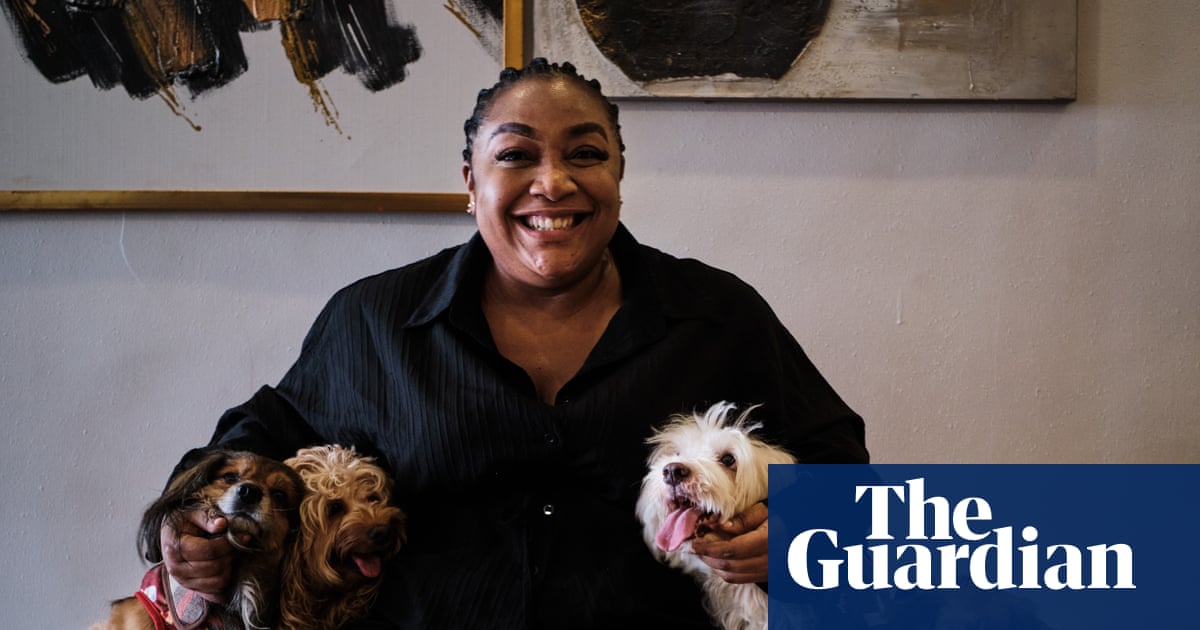
Yet as social attitudes shift and animal welfare concerns grow, Nigeria's dog meat tradition faces increasing scrutiny. A growing community of dog lovers and animal welfare organisations are redefining what it means to care for animals in Nigeria. Jackie Idimogu, an anti-animal cruelty campaigner and founder of My Dog and I, organises the annual Lagos Dog Carnival to promote responsible pet ownership. Alongside veterinarians such as Dr Mark Ofua, founder of St Mark's Animal Rescue Foundation, Idimogu is leading a movement that extends far beyond pet preferences—it signals a broader shift in Nigeria's approach to public health, the economy, and biodiversity.
Idimogu's message is notably strategic: she is not asking Nigerians to abandon their traditions, but to adopt a new relationship with dogs grounded in compassion and responsibility. "We are not asking Nigerians to abandon their traditions, but to adopt a new relationship with their dogs and pets, one grounded in compassion, responsibility and respect," she says. "This is about progress, not rejection." The Lagos Dog Carnival, now seven years old, celebrates how dog owners invest in their pets and honour their companionship—a cultural reframing that gains momentum even as Nigeria lacks national laws expressly banning dog meat consumption.
Recent events have accelerated the shift. Last April, a controversy over a primary-school English textbook sparked wider conversations about animal cruelty in Nigeria, with social-media users arguing that its portrayal of dogs could encourage children to harm animals. The backlash reflected growing awareness of animal welfare and spurred calls for more humane portrayals in media and education. Meanwhile, veterinarians like Ofua are laying groundwork for a new relationship between Nigerians and their dogs, rescuing abandoned animals and promoting wellbeing. For Ofua, the emotional reality is clear: "Dogs are called man's best friend for good reason: people raise them, live with them and form deep bonds." In Lagos and beyond, that bond is becoming impossible to ignore.