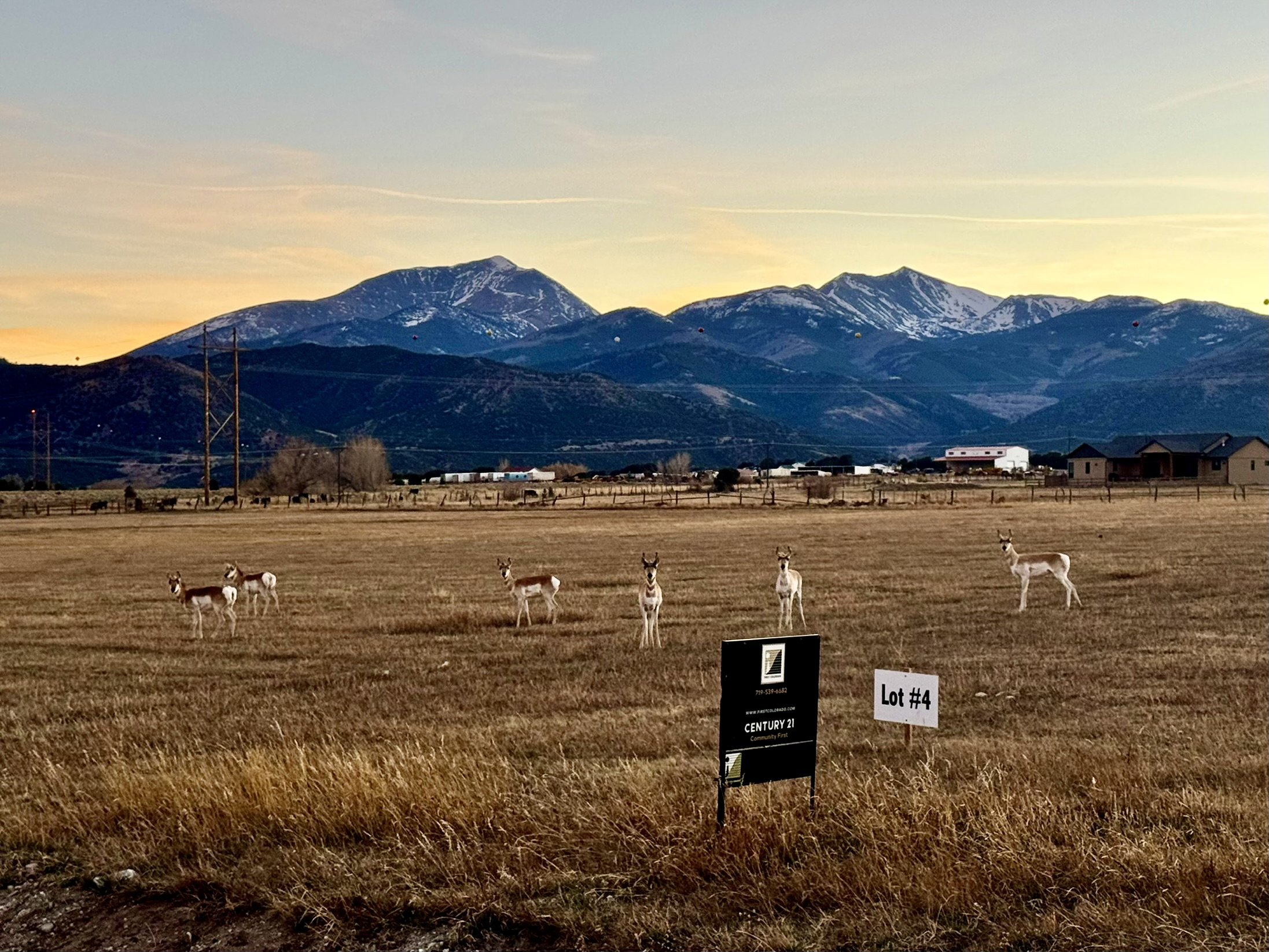
In Chaffee County, Colorado, and across rural communities nationwide, a quiet shift is reshaping how Americans think about the landscape they share with wildlife. Rather than carving out isolated nature reserves, local governments are now weaving wildlife corridors through their development plans—ensuring that moose can wander through yards, bobcats can hunt across working lands, and salamanders can migrate between ponds without encountering sprawl. This transformation marks a fundamental rethinking of conservation that has taken shape over the past two decades.
The change reflects a hard-won understanding: protecting pristine wilderness means little if animals cannot move between those protected places. Many species need to travel seasonally to survive, and habitat fragmentation—islands of development scattered across the landscape—breaks the ecological threads that bind populations together and allow them to adapt as the climate shifts. This is why conservation groups have pivoted from defending isolated sanctuaries to connecting them, effectively flipping the conservation model on its head.
What makes this approach so compelling is that it works not despite rural development, but alongside it. Kylie Paul, a researcher with the nonprofit Center for Large Landscape Conservation, recently co-authored a study commissioned by the Pew Charitable Trusts titled "Integrating Wildlife Habitat Connectivity Into Local Government Planning." The report found remarkable common ground in rural communities: ranchers and hunters, conservationists and people who simply love the quiet rural feel all benefit when development stays clustered near existing towns rather than scattered across the countryside. Concentrating new homes near town centers preserves both wildlife movement and the community character rural residents actually want—walkability, affordability, and that sense of open space that defines rural life.
The key is local action. Local governments control land-use decisions on nearly two-thirds of U.S. territory, giving them outsized power to shape conservation outcomes. Paul emphasized that starting is often simpler than communities think: include wildlife and greenspace priorities in comprehensive plans updated every five to ten years; map existing data on endangered species and migration corridors already available at the state level; reach out to state fish and wildlife departments for technical help; then weave habitat protection into zoning ordinances, subdivision rules, and site reviews.
Vermont offers a instructive model. The state devolves land-use planning to its 268 municipalities but backs them with comprehensive technical support, including staff from the Vermont Fish & Wildlife Department who help communities design habitat connectivity. This combination of local control and state resources has allowed Vermont communities to balance growth with conservation proactively rather than reactively.
The timing matters. Paul warned that communities often only rally around preserving rural character once development pressures arrive—frequently too late. The report aims to help communities get ahead of growth, offering not just regulations but incentives and engagement strategies that make habitat connectivity feel like a shared goal rather than an imposition.
For rural America, the message is hopeful: the way forward does not require choosing between community and conservation. By building wildlife connectivity into local plans now, communities can ensure that future generations will still peer out windows and glimpse moose in the yard.