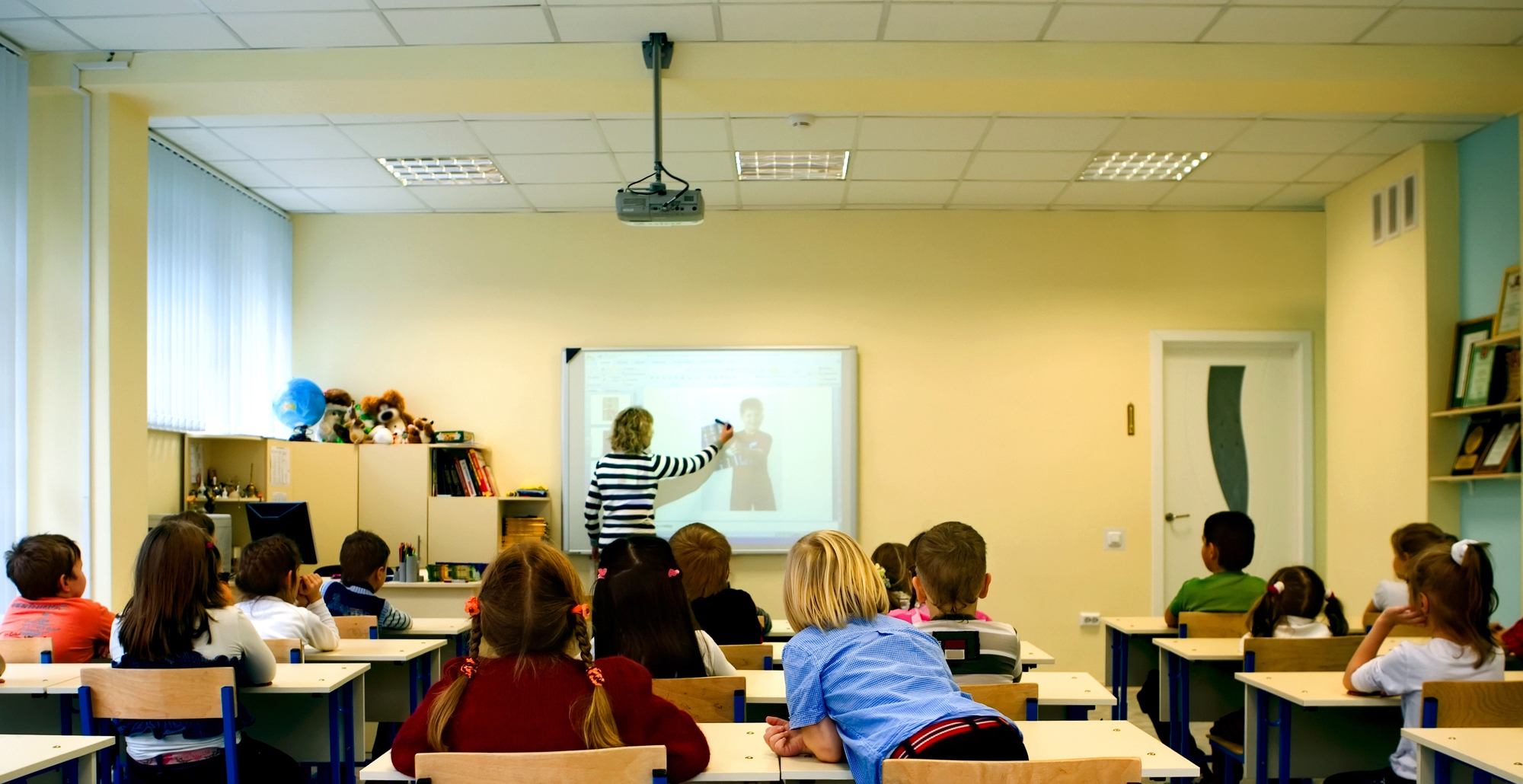
When the 2026-27 school year begins in New York City, several hundred thousand of the youngest students will walk into classrooms where the chatbots have been switched off. New York City Public Schools, the largest district in the country, is banning generative AI for every student from pre-kindergarten through eighth grade — a move the district says is the most expansive AI moratorium any school system in America has issued.
More than half a million students are affected. The ban covers student-facing AI software and companion chatbots, the kind of tools that answer questions, finish sentences, and generate essays with a single prompt. Teachers are not included, and high school students are exempt too. But the district is adding twice-yearly AI literacy classes, designed to help students think critically about the technology before they come to depend on it.
Mayor Zohran Mamdani was characteristically blunt about why. "The tech industry wants us to believe that A.I.-powered early education is not only inevitable, but necessary," he said. "We do not see it that way." Rather than focusing narrowly on privacy risks or safety concerns, the mayor is rejecting the deeper premise that AI belongs in classrooms at all — that more technology is, by definition, better education.
Schools Chancellor Kamar Samuels framed the ban in terms of what students lose when they outsource their thinking before they have built the capacity to do it themselves. "We're standing firmly in our decision to not conflate innovation with more tech, and we're going to lead over the next year with evidence and make sure technology serves learning — not the other way around," Samuels said.
The decision follows the city's bell-to-bell cell phone policy implemented last year, which already limits device use during the school day. Same instinct, applied to a different technology.
Not everyone is moving in this direction. The White House has been pushing teachers to use AI responsibly, with administration officials saying it could "revolutionize" education. A Texas teacher told ABC News she uses it for nearly everything — lesson plans, organizing data, giving students feedback on assignments — and her students use it in class too. Meanwhile, the Department of Health and Human Services held a meeting this week with childhood experts on the harms of excessive adolescent screen use. Dr. Stephanie Haridopolos of the Office of the Surgeon General put it this way: "There's certain aspects of technology that are educational, and then there are certain ones that actually can be harmful. We need to delineate between the two."
New York City has made its call on where that line sits — at least for this year. It is a deliberate pause, a breath, before the city decides what role AI should really play in the fragile early years of learning. In a world racing to adopt every new tool, sometimes the boldest move is to say: not yet.