Laros Duarte stepped onto the pitch in Atlanta, heart pounding, representing Cape Verde in their historic World Cup debut — and 31 minutes later, his younger brother Deroy replaced him, sealing a moment neither would ever forget. Together, the Duarte brothers helped the Blue Sharks hold Spain, the 2010 world champions, to a stunning 0–0 draw, a result that sent ripples through the tournament and brought their parents to tears. "We saw our parents cry," Laros said afterward. "The feeling is difficult to describe, it's just something you dream of."
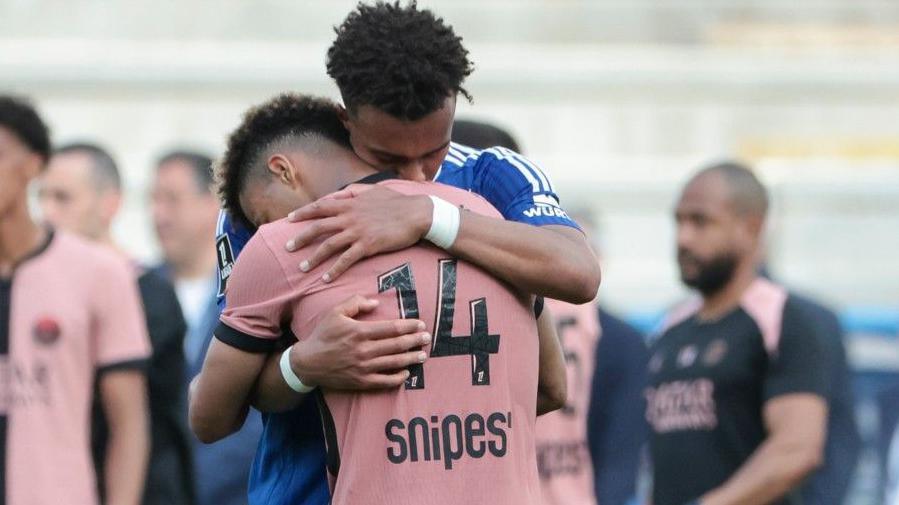
This World Cup is not just a celebration of nations, but of family. Seven pairs of brothers are competing across the globe’s most prestigious football stage — four of them representing opposing countries, their loyalties split by heritage, choice, and opportunity. Among the most watched is the Doué brothers: 21-year-old Désiré, a rising star at Paris Saint-Germain, playing for France, and his 23-year-old brother Guela, a dynamic full-back with Strasbourg, representing Ivory Coast. Born in Angers to a French mother and Ivorian father, the brothers remain deeply connected. "We tell each other everything and have no secrets," Désiré said. "He's such a massive support for me in my daily life."
Their bond may face its ultimate test on 30 June in Arlington, Texas. If France finishes second in Group I and Ivory Coast second in Group E, the brothers could face each other in the last-32 stage — a rare and emotional clash. It would only be the second time in World Cup history siblings have played against each other, following the Boateng brothers: Jérôme for Germany and Kevin-Prince for Ghana, who met in both 2010 and 2014.
Other brotherly stories abound. Inaki and Nico Williams, both products of Athletic Bilbao, represent different nations — Nico with Spain, the 23-year-old hero of their Euro 2022 final win over England, and Inaki, 32, proudly wearing Ghana’s colors. Harry Souttar, 27, captains Australia, while his brother John, 29, plays for Scotland — a family divided by international allegiance but united by pride. Meanwhile, Derrick Luckassen, 30, and his half-brother Brian Brobbey, 24, share a mother and a World Cup stage, with Brobbey coming off the bench for the Netherlands in their 2–2 draw with Japan.
And in Curacao, the smallest nation by population and size ever to compete, the Bacuna brothers — Leandro, 34, and Juninho, 28 — took the field together, fulfilling a childhood dream. "It’s one thing that we always wished for," Juninho said. "When we were kids we dreamed of playing together in one team on one pitch."
Even in France’s powerhouse squad, the Hernandez brothers — Lucas, 30, and Theo, 28 — bring a quiet strength, their bond noted by coach Didier Deschamps: "They have this family connection." In a tournament defined by national pride, it’s the personal stories — of brothers, choices, and shared dreams — that remind us of football’s deeper heartbeat.