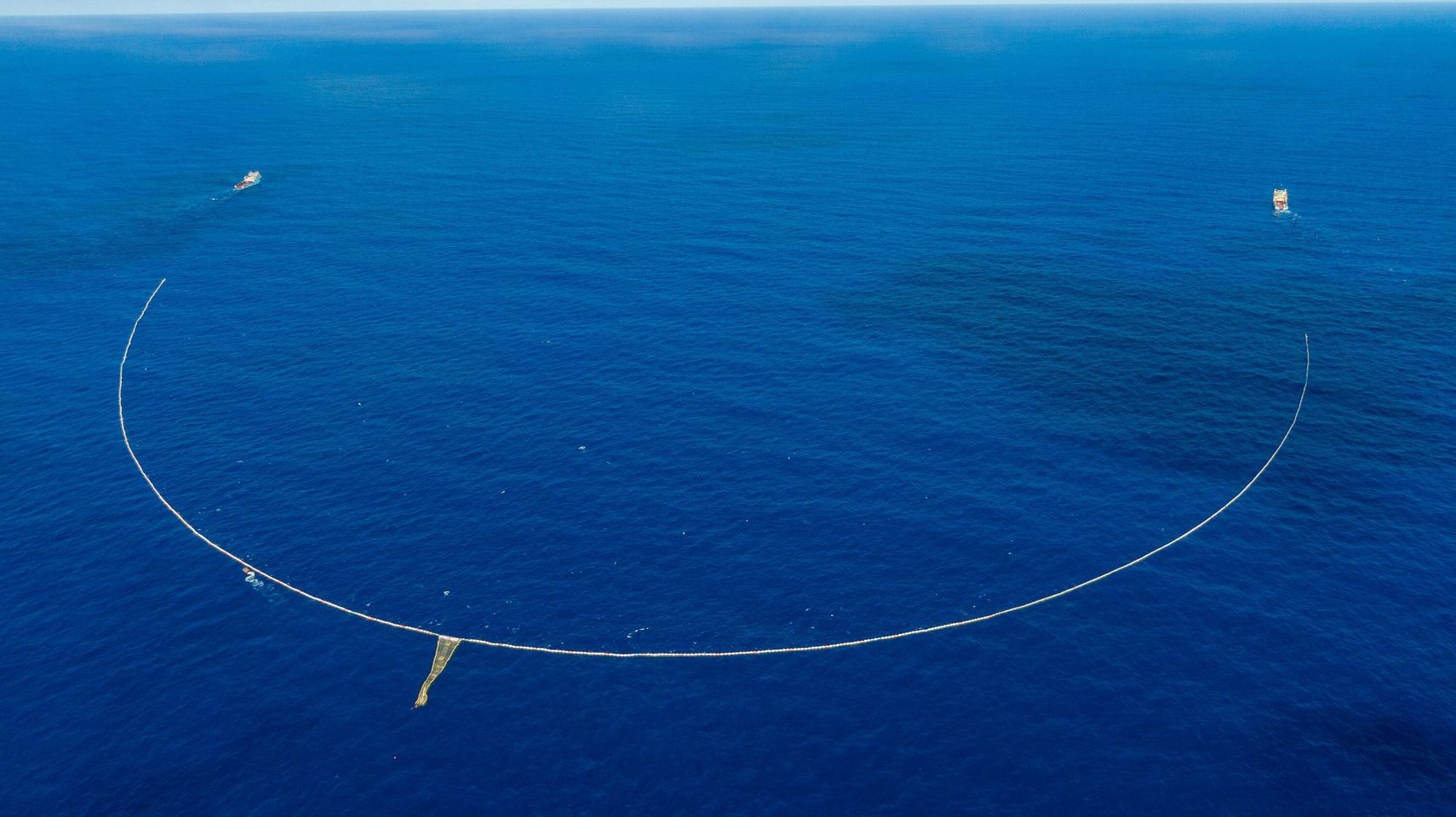
In Jakarta, where the Ciliwung River winds through dense neighborhoods, a bright yellow barrier stretches across the water, quietly catching plastic before it can reach the Java Sea. This is not a prototype or a pilot project—this is infrastructure in action. Every year, The Ocean Cleanup’s river systems in Jakarta intercept thousands of tonnes of plastic, stopping it in its tracks before it pollutes coastlines and marine ecosystems. On World Oceans Day, as global attention turns once again to the crisis of plastic pollution, the real story is no longer about awareness—it’s about implementation.
For decades, the world has known about the plastic tide. Documentaries have exposed it, scientists have mapped it, and governments have pledged to act. Yet over 1 million tonnes of plastic still enter the ocean annually. The missing link has never been technology or understanding—it’s been deployment at scale. Now, in cities like Jakarta and others across Asia and Latin America, the shift is underway. River interception systems are no longer theoretical solutions; they are operational, measurable, and preventing plastic from entering the ocean every single day.
The Ocean Cleanup’s systems in Jakarta are part of a growing global network. These barriers, paired with retention booms and automated collection units, have already proven their effectiveness. They generate real-time data, track plastic flow patterns, and demonstrate where interventions yield the highest returns. In just a few years, these systems have moved from innovation to infrastructure—performing functions long reserved for traditional urban systems: reducing flood risk, lowering municipal cleanup costs, and protecting livelihoods in fisheries and tourism. Development banks and city planners are beginning to see them not as one-off environmental projects, but as essential blue infrastructure, worthy of long-term investment and integration into urban planning.
The lesson from wastewater and air quality management is clear: problems become solvable when they become measurable and systemic. Plastic pollution is no different. With extended producer responsibility laws expanding in countries like Indonesia and Colombia, and development finance institutions increasingly funding resilience projects, the frameworks for scale are beginning to form. The technology exists. The models work. The question now is whether institutions can move fast enough.
As river systems become more widespread and their impacts more verifiable, the path forward is coming into focus. The future of ocean protection may not depend on a breakthrough invention, but on our collective will to deploy what already works—across hundreds of rivers, dozens of cities, and multiple continents. The era of asking if we can stop ocean plastic is over. The era of doing it has begun.