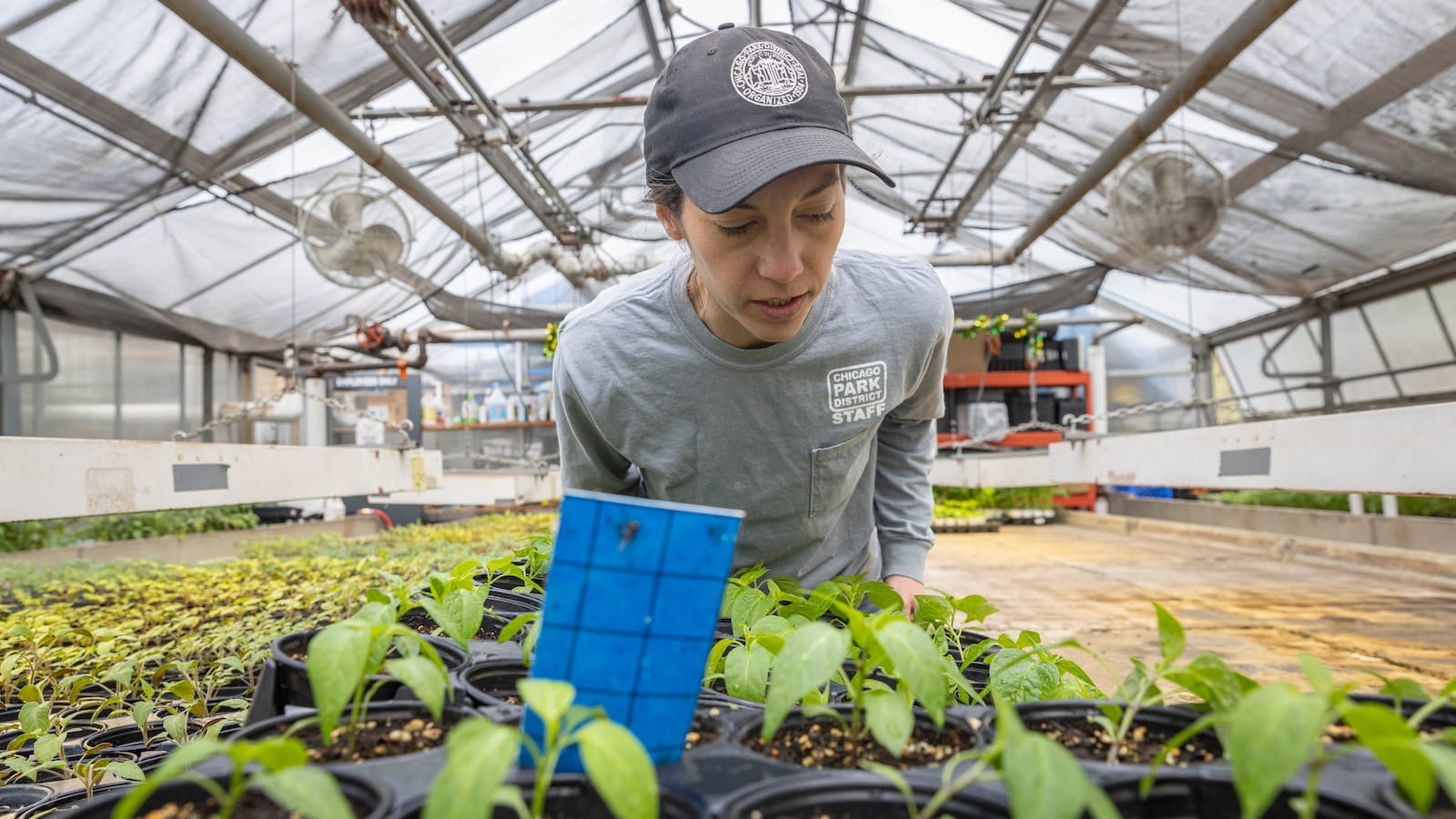
Renee Costanzo cranked open the rusty pulley of the Kilbourn Park greenhouse, watching spring air sweep across 12,000 seedlings lined up in plastic trays. The Chicago Park District's only full-time greenhouse employee had spent months nurturing over 15,000 plants—vegetables, greens, and flowers—for the park's annual sale. But this year, something remarkable happened: more than 2,300 people showed up to buy them. That's double the typical crowd that had been arriving year after year.
The shift is about much more than gardening enthusiasm. Nearly 1 in 5 plants offered at this year's Kilbourn Park sale were native species—plants that have adapted over millennia to Chicago's local climate and wildlife. Five years ago, hardly anyone was asking for them. Today, they're flying off shelves across the country.
For decades, native plants were dismissed as little more than weeds. But that perception has transformed entirely. Neil Diboll, president of Prairie Nursery in Wisconsin, has watched this change unfold over 44 years. "I've watched this for 44 years, from almost zero to now," he said. When Diboll started the company in 1982, it grossed just over $13,000. Today, he said simply, "you can add a few zeros on there." Last year alone, Prairie Nursery saw a 7 percent increase in native plant sales, and this year they're shipping out approximately 500,000 plants and even more seeds.
The trend is consistent across the Midwest. Prairie Moon Nursery in Minnesota has experienced a 350 percent increase in sales over the last seven years. Orders have tripled at the 44-year-old nursery. And Wild Ones, a national nonprofit that has spent nearly 50 years educating the public about native plants, reported that over 110,000 native plants were sold through its 107 plant sales last year alone.
The surge is driven by mounting environmental concerns. As land use patterns have changed, native species like milkweed—essential food for Monarch butterfly caterpillars—have nearly vanished, contributing to declines in Monarch populations. Climate change, with its extreme heat, drought, and flooding, has made gardeners reconsider what they plant. Native plants offer a practical solution: they need less water, less maintenance, and their deep root systems help prevent flooding while providing habitat for pollinators and other crucial species.
"Native plants have been adapting to change for thousands of years," said Tiffany Jones, who leads habitat education for the National Wildlife Federation's Great Lakes region. "They're practical and beautiful."
Costanzo, who experimented with 30 different native species ahead of this year's Kilbourn Park sale, credits the broader shift to a genuine recognition of their value. At $4 per plant, visitors lined up around the park eager to bring native species into their yards. This wasn't a one-time spike or seasonal fad. "It's not a fad," Diboll said. "This is a long, steady climb."
The Kilbourn Park sale is now in its 30th year, and this record-breaking attendance suggests that gardeners across the country are finally asking the right question: not whether they should plant natives, but which ones to choose.