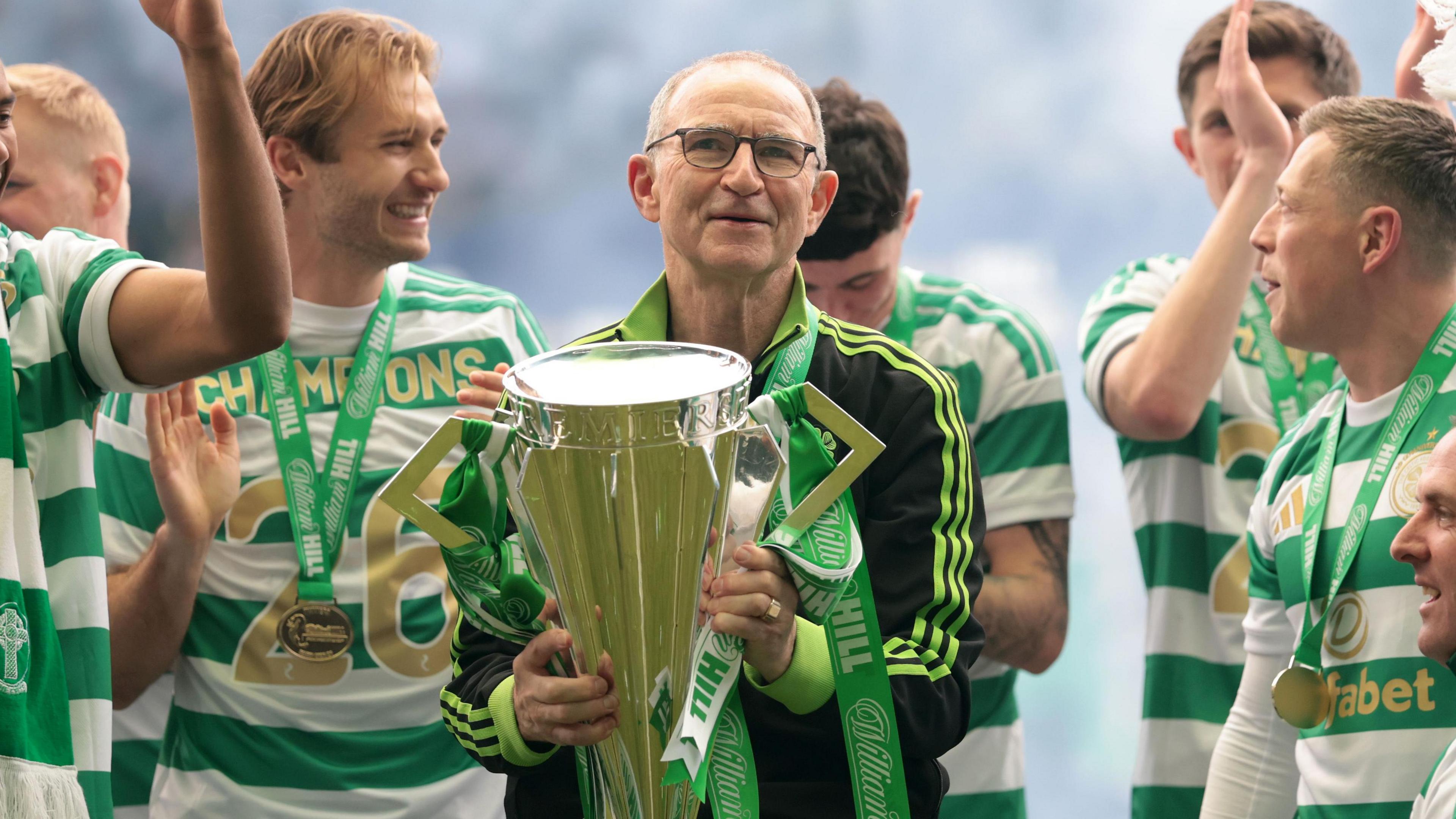
At 74 years old, Martin O'Neill is stepping back into the Celtic manager's chair for what amounts to an encore performance of his own legacy. After two interim spells last season that ended with Glasgow's most coveted double—a Premiership title and Scottish Cup trophy—O'Neill has agreed to stay at Parkhead on a one-year renewable deal, following conversations with the club's major shareholder Dermot Desmond earlier this week.
O'Neill's return to Celtic felt less like a homecoming and more like a rescue mission. When Brendan Rodgers departed in late October, O'Neill took over temporarily, steadying the ship through eight games. Then came Wilfried Nancy, the French appointment who couldn't find his footing, suffering six defeats and just two wins from eight matches. By early January, O'Neill was back again—this time to see out the rest of the season. It's a path few managers would have chosen, yet for O'Neill it became the foundation for one of the most dramatic finishes in Scottish football.
The final day of the league campaign showed exactly why Celtic's shareholders kept faith. Hearts had led the Premiership for much of the season, but Celtic's relentless charge culminated in a commanding 3-1 victory that secured the title. Two weeks later, O'Neill added his ninth trophy as Celtic manager—a 3-1 Scottish Cup final win over Dunfermline Athletic at Hampden. These weren't narrow escapes; they were emphatic statements of superiority when it mattered most.
What makes this moment significant extends beyond the trophies themselves. O'Neill had last managed Celtic two decades ago, ending a five-year tenure that left an indelible mark on the club's history. His return in the modern era, even as an interim solution, proved that experience and composure still carry weight in football. In a sport obsessed with novelty and fresh ideas, a 74-year-old guiding his club to domestic dominance sends a powerful message about the enduring value of leadership and institutional knowledge.
The one-year deal with a further year's option suggests pragmatism on both sides. Celtic gets continuity and proven success, while O'Neill keeps his options open, avoiding the commitment of a multi-year contract at an age when flexibility matters. It's a sensible arrangement that acknowledges the uncertainty inherent in football while rewarding the manager who delivered when the pressure was highest.
For Celtic supporters, the renewal offers stability after an unsettling season of managerial shuffles. The club's major shareholder clearly believes O'Neill is the right steward for what comes next—European competition, title defenses, and the ongoing rivalry with Rangers. Whether O'Neill can sustain this success or whether his appointment signals a transitional moment remains to be seen, but for now, Glasgow has its answer: the manager who steadied the ship in crisis will now chart its course forward.