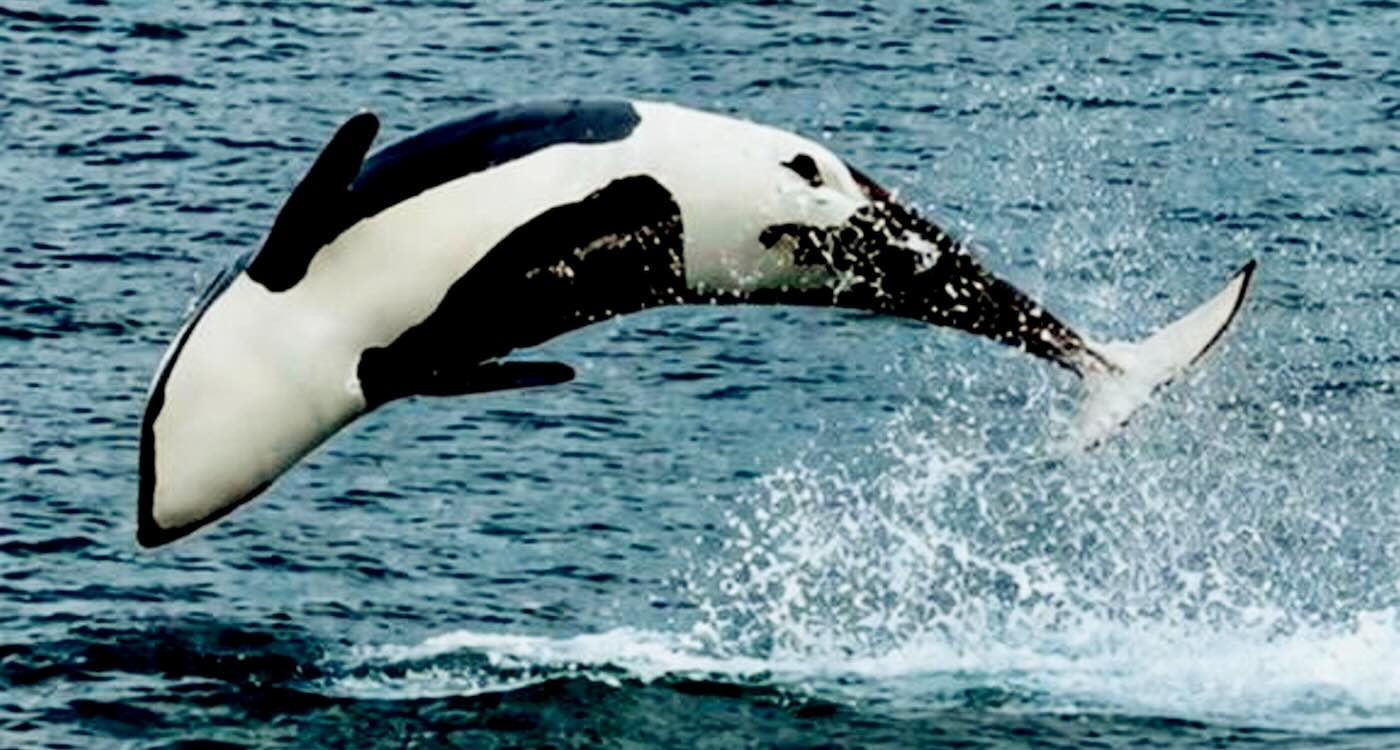
Jake Tiffin was filming the usual route around the Farne Islands when he heard an orca surface to breathe—and managed to capture one of the most remarkable moments ever recorded off the English coast: a six-ton killer whale launching itself skyward, spinning through the air, before crashing back down into the North Sea in front of a boat full of astonished tourists.
For decades, orcas had been nearly absent from UK waters. Fishermen and boatmen along the Northumberland coast couldn't remember ever seeing them. But in 2025, after vanishing for 40 to 50 years, these apex predators are returning in numbers that have shocked even experienced mariners. Five verified sightings have been recorded off Northumberland this year alone—a dramatic reversal that has transformed quiet boat tours into once-in-a-lifetime wildlife encounters.
The return matters because it signals both ecological change and hope for marine recovery. The reappearance of apex predators suggests shifting prey populations and improved conditions in waters long stressed by industrial fishing and pollution. For the communities along England's northeast coast, it means witnessing a piece of natural history most thought was gone forever.
In April, fishermen spotted a pod of up to 10 orcas near Northumberland. Then on a recent Saturday, tourists aboard the Billy Shiel boat tour near Seahouses encountered what is believed to be one of the largest pods ever documented off the coast: around 30 orcas feeding together. Martin Kitching, coordinator of The North East Cetacean Project, told the BBC that boatmen across every port in the region reported the same surprise. "Now, all of a sudden, sightings—in Northumberland at least—are definitely up."
For the 19-year-old crewman Jake Tiffin, the experience was surreal. At first, the crew mistook the dark shapes for dolphins. But as they drew closer, the scale became undeniable—massive bulls weighing around six tons, calves performing barrel rolls in the water, and individuals measuring 10 to 15 meters in length popping their heads up to regard the boat with what seemed like curiosity. "They were popping their head out of the water to take a look at us," Tiffin recalled. When one orca breached in his frame, all the wonder of that moment crystallized: "To see a creature that big jumping out of the water is mental."
Wildlife experts believe the orcas are drawn by the bounty surrounding the Farne Islands, home to a massive colony of 6,000 seals and seabirds. The creatures, which can measure up to 32 feet long, hunt cooperatively in pods—a social structure refined over millennia. The increased sightings may also reflect more abundant fish supplies in these waters, suggesting conditions are improving for the entire food web these predators depend on.
The return is not without complexity. While orcas as a global species are not listed as endangered, specific local populations face critical threats. The West Coast Community off Scotland represents a unique pod struggling against pollution and other pressures. Yet the thriving populations now feeding off Northumberland offer a counterpoint—evidence that recovery is possible when conditions align. For tourists watching a six-ton animal defy gravity over the North Sea, it feels less like science and more like a gift.