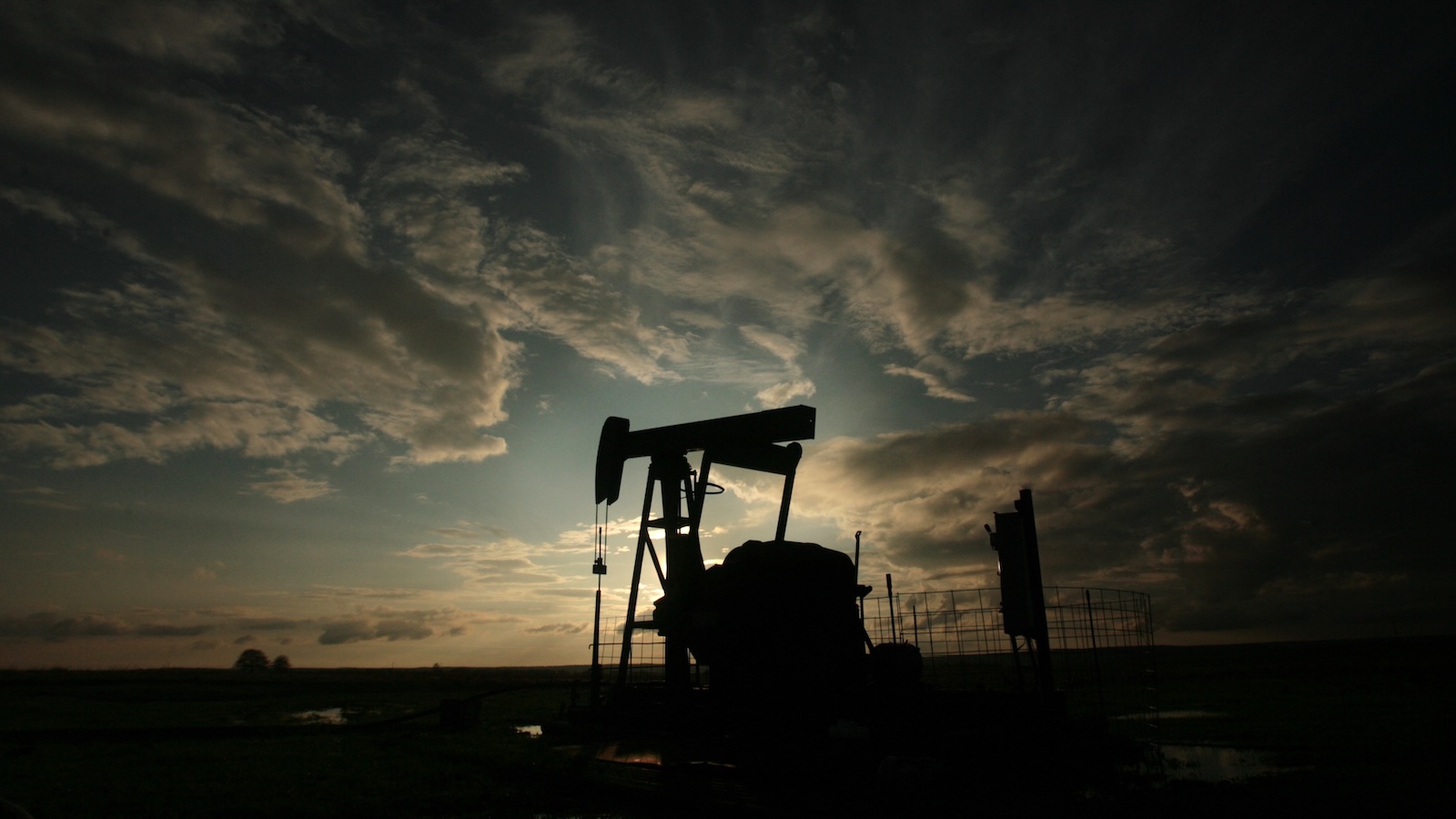
At Harvest Land Farms in northeastern Oklahoma, Fred Beartrack’s crew expected to find a cement plug sealing an abandoned oil well. Instead, after digging and cutting into the casing, they found only about a foot of cement at the top—and an open well reaching 2,400 feet below ground.
The discovery captures two challenges facing the Osage Nation as it cleans up orphan wells: decades-old records can be wrong, and the work can be far more involved than expected. Orphan wells have no responsible operator to close them. If left open or poorly sealed, they can pose risks to land and water. The reservation covers about 1,470,559 acres, and many wells date back decades.
Beartrack, of the Nation’s Department of Natural Resources (DNR), said crews now have to clear the well to its bottom and fill it properly with cement. The job may take anywhere from two days to two months. Crews found no cement beneath the thin cap, drilled past the freshwater zone, and cemented the well from there upward. “We don’t really know what’s down there,” Beartrack said, noting that people could have put other material into the well over the years.
The DNR has plugged about 160 wells through its federally funded orphan well program, including 70 to 80 this year, Beartrack told Osage News. Crews have inspected at least 2,500 to 2,700 wells, and they continue to find more as they work across the reservation. Reporting by Grist and Osage News documented roughly 2,300 orphan wells in Osage, while warning that the true total could be higher because some old wells were never recorded.
A change in federal guidance this spring helped speed up the work. Before March 13, the Bureau of Indian Affairs’ Osage Agency reviewed each plugging application, checked field records and photos, and opened a public comment period. Beartrack said the full process could take 120 to 130 days. Now, he said, it usually takes one to two weeks.
The Orphan Wells Plugging Office revised its tribal grant rules on March 13. Under the new guidance, orphan well work funded through the program no longer needs the same federal reviews for endangered species and historic preservation laws. The BIA’s Osage Agency said it is not issuing plugging permits for wells handled under this program, though it continues reviewing permits in other cases. The DNR still consults the agency to confirm that wells have no responsible party and to check lease status and age.
The faster process follows criticism of the program’s slow start. An Interior Department inspector general report found that by December 31, 2024, the Nation had plugged 14 of the 290 wells planned for Phase 1—about 5 percent. The recent pace is a marked change, but faulty records and undiscovered wells remain obstacles. As crews move into new sections of the reservation, Beartrack said, they keep uncovering wells that were missing from the books.