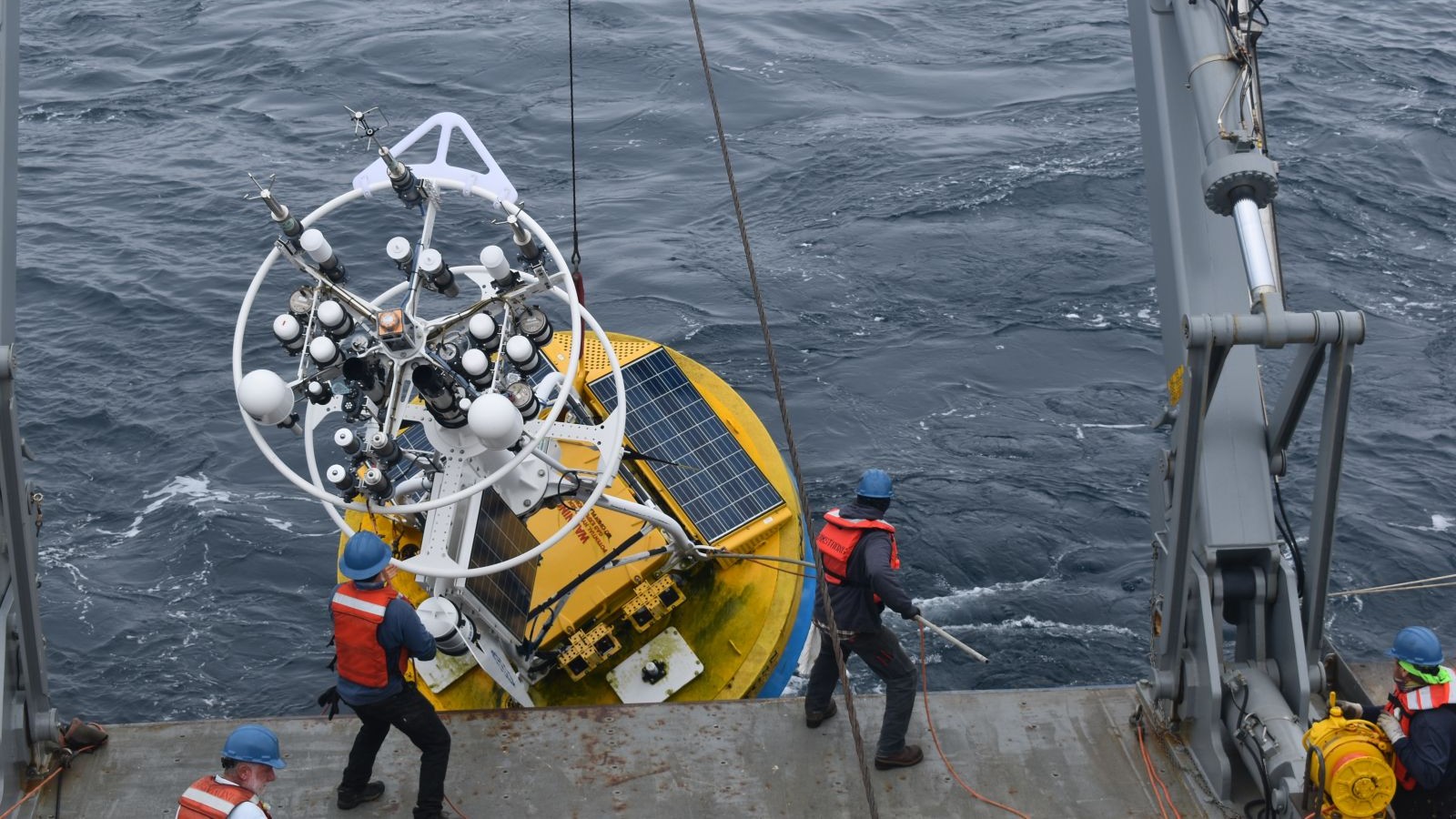
When oceanographer Lynne Talley speaks about the Argo program, her voice carries both pride and urgency—this global network of nearly 4,000 robotic floats has, for over two decades, silently measured the ocean’s pulse, diving deep to record temperature, salinity, and now even oxygen and acidity levels. But today, the United States’ leadership in this vital work is slipping. Despite bipartisan success in saving the Ocean Observatories Initiative (OOI) from dismantling—a move championed by Senators Jeff Merkley of Oregon and Lisa Murkowski of Alaska—other cornerstone ocean science programs now teeter on the edge of collapse. The Argo program, which the U.S. has helped lead since its inception, is facing a funding cliff that could silence half its fleet by the end of the year.
The OOI’s reprieve came after the National Science Foundation reversed its plan to remove instruments from key sites off the Pacific Northwest, North Carolina, and south of Greenland—sites that monitor everything from deep-sea earthquakes to ocean acidification. The reversal followed swift action by lawmakers who recognized that cutting such data streams would not only harm climate science but also undermine fisheries management and coastal resilience. The program, which began in 2016, is now expected to operate for at least another decade. Yet this victory stands in stark contrast to the uncertain fate of other critical efforts.
The Argo program, for instance, relies on battery-powered floats that must be replaced every five years. The U.S., responsible for deploying about 2,000 light-years of scientific insight—has seen its replacement rate slow due to stagnant NOAA funding. Without new investment, the biogeochemical component of Argo—equipped with sensors that track ocean health indicators like chlorophyll and carbon uptake—will cease deployments this fall. There is currently no plan to renew it. "Those measurements have become essential to understanding the ocean," Talley insists, and without them, scientists lose a crucial lens on how climate change is reshaping marine systems.
Even more alarming, two U.S.-led programs monitoring the Atlantic Meridional Overturning Circulation (AMOC)—the massive ocean conveyor belt that regulates climate across the Northern Hemisphere—face similar funding shortfalls in the coming years. A collapse of AMOC could trigger dramatic shifts in weather patterns, sea levels, and marine ecosystems, yet the very tools needed to detect early warning signs may soon go dark. While international partners like the European Union are increasing their contributions, American leadership in ocean observation, long a global standard, is eroding.
The recent defense of the OOI proves that political will can preserve science. But as Talley warns, "We have been the leaders in these ocean observations for many decades, and we are losing ground." The ocean doesn’t stop speaking when instruments fall silent—it just stops being heard.