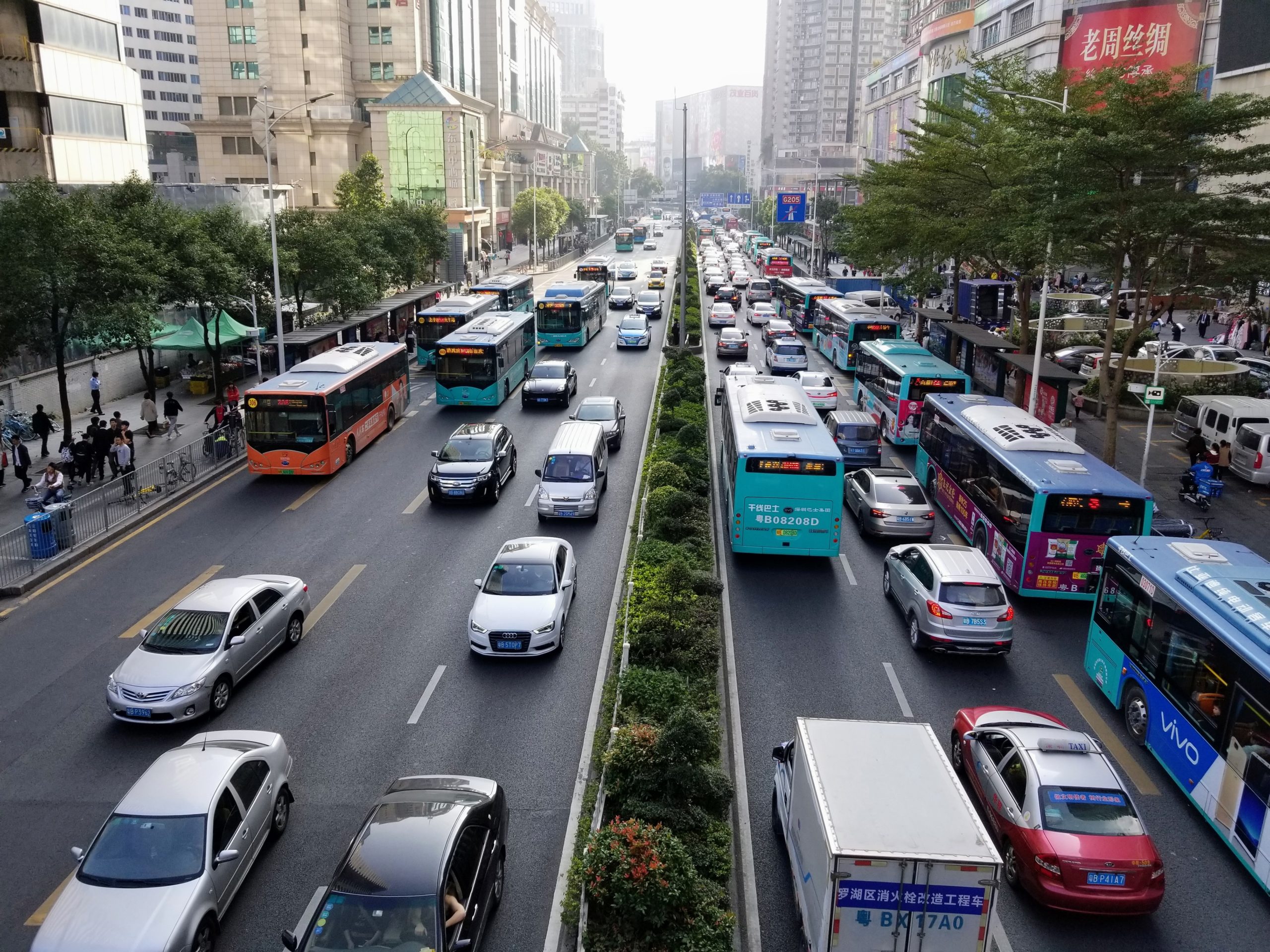
Santiago's streets tell a quiet revolution. Where diesel engines once rumbled through the Chilean capital, electric buses now glide silently—so many of them that the city may already be home to over 4,000 of these cleaner vehicles. This milestone reflects a broader transformation sweeping Latin America and the Caribbean: over 9,900 electric buses now operate across the region, according to E-Bus Radar, fundamentally reshaping how the continent's cities move.
The significance of this shift cannot be overstated. While global attention fixates on electric cars and e-bikes, public transit buses operate for many hours each day, moving hundreds of thousands of people and replacing some of the most polluting vehicles on Earth. Diesel buses generate vast amounts of toxic air pollution that harms human health, contributes to premature deaths, and accelerates climate change. In much of the world outside the United States, public transportation is how most people move through their cities—making this electrification especially consequential for public health and environmental justice.
The electric buses now running in Latin America include both battery-powered buses and trolleybuses, according to E-Bus Radar data. Chinese manufacturers dominate the market: BYD, Foton, Yutong Bus, and Zhongtong Bus lead production. That concentration reflects both technological expertise and aggressive scaling in emerging markets where Latin America's growing cities are eager to modernize their fleets.
The advantages of electrification extend far beyond cleaner air. Electric buses can run entirely on clean, renewable electricity—solar, wind, hydro, and geothermal power generated domestically—whereas diesel buses depend on imported fossil fuels that many nations purchase at enormous cost. Electricity typically costs less than gasoline and diesel, offering long-term savings for transit agencies already stretched thin financially. The buses themselves carry massive battery packs that can serve as distributed energy storage, feeding power back to electrical grids during peak demand through virtual power plants. Bus drivers and passengers no longer breathe diesel exhaust and fumes linked to respiratory disease and other health harms.
Santiago's experience points toward a future that is already arriving. The Chilean capital's over 4,000 electric buses represent years of sustained commitment to fleet electrification. Copenhagen, Denmark offers another model: the city now operates nearly 100 percent electric buses, demonstrating that complete transition is technically and economically feasible. Individual announcements of cities acquiring 10 to 200 buses often dominate headlines, but the cumulative effect—9,900 buses across an entire region—reveals the true scale of transformation already underway.
This transition reflects a deeper shift in how Latin America thinks about development. Rather than following the car-dependent model of wealthier nations, the region is leapfrogging directly to electric public transit powered by renewable energy. The buses themselves become infrastructure not just for mobility but for energy resilience, storing and distributing power as cities modernize their grids. It is a vision of sustainability and public health working in concert, powered not by imported fossil fuels but by resources that belong to the nations and communities they serve.
The momentum will almost certainly continue. Eventually, most gas and diesel buses may give way entirely to electric alternatives, transforming urban air quality and public health across a continent where hundreds of millions depend on buses to reach work, school, and home.