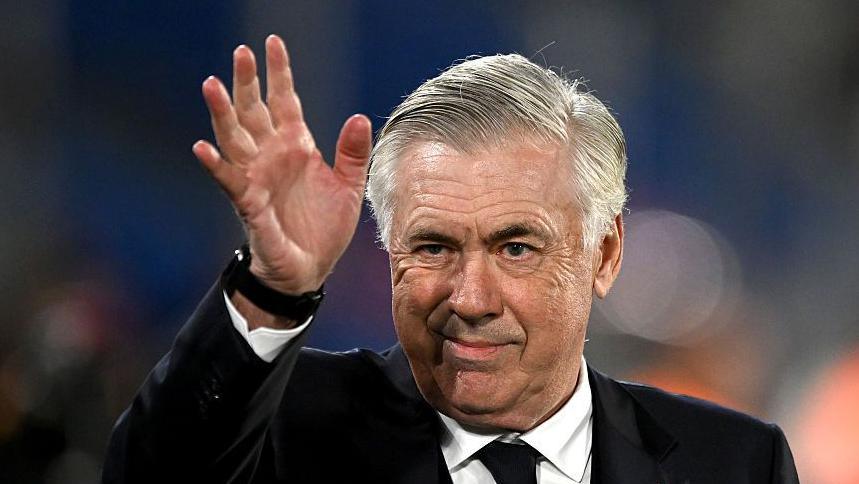
Carlo Ancelotti arrived in Rio de Janeiro knowing he had broken a taboo—and he wasn't about to let anyone forget it. At his first meetings with staff at the Brazilian Football Confederation, he watched as local colleagues fumbled through Spanish and Italian, trying to bridge the gap with their new boss. But the 66-year-old Italian had other ideas. "No, no," he said with a smile. "I'm the one who has to make the effort to speak Portuguese here."
That moment captured something essential about Ancelotti's appointment: Brazil had hired its first foreign coach for a World Cup cycle, and after decades of football self-sufficiency, the nation's pride needed soothing. The decision sparked genuine resistance. At a November event for Brazilian coaches, Ancelotti was forced to sit through speeches criticizing the very idea of foreign managers leading the Selecão. "We are the only country to have won the World Cup five times," two-time World Cup winner Cafu said bluntly. "I would have gone for a Brazilian coach." The tension was so thick that Ancelotti's son and assistant coach, David, left the event shortly after.
Yet where others saw a career-threatening setback, Ancelotti saw a challenge worth mastering. He hired a Portuguese teacher and committed to four lessons a week—a schedule so demanding that his instructor, Roberto Piantino, was stunned by his dedication. "I remember once we finished a lesson on a Friday and asked when he wanted the next one," Piantino told BBC Sport. "He said: 'Tomorrow.' But that was a Saturday. I said: 'Of course, no problem.' That meant 9am in Vancouver where he lives with his wife. It happened more than once. That showed me how serious he really was about learning."
That commitment to cultural integration has shifted the narrative. Despite an uneven 11-match start with six wins, two draws, and three defeats, a poll by Quaest, a leading Brazilian polling institute, found that 41% of Brazilians now approve of Ancelotti's work, compared with just 29% who disapprove. The momentum has only grown. Brazil's recent 6-2 demolition of Panama—featuring goals from Vinicius Jr, Casemiro, Lucas Paquetá, and others—signaled a team coming into form. The CBF quickly moved to renew Ancelotti's contract through 2030 before he'd even coached a World Cup match.
What truly disarmed skeptics was Ancelotti's character. His résumé speaks volumes: five Champions League titles and trophies across all five of Europe's major leagues. But as former international Walter Casagrande argued, "One of the things Brazil needed the most was a manager bigger than the players." In a dressing room featuring Neymar and Raphinha, Ancelotti's stature carried weight. More importantly, he held off signing his contract extension in early April specifically to ensure three CBF staff members who had helped him adapt were also given deals through 2030.
Leonardo, who worked with Ancelotti at AC Milan and PSG as both player and executive, summed up his gift: "He is a chameleon. Wherever he goes, he adapts to the people, the team, the players. He is a world champion at that. He enters into symbiosis with the environment, and that has already happened here in Brazil. People like him."
Brazil's challenge is daunting: the five-time champions haven't won since 2002 and have never gone six World Cups without lifting the trophy. But if anyone can end a 20-year drought while winning over a proud nation's heart, it may be the man who learned Portuguese just to say it properly.