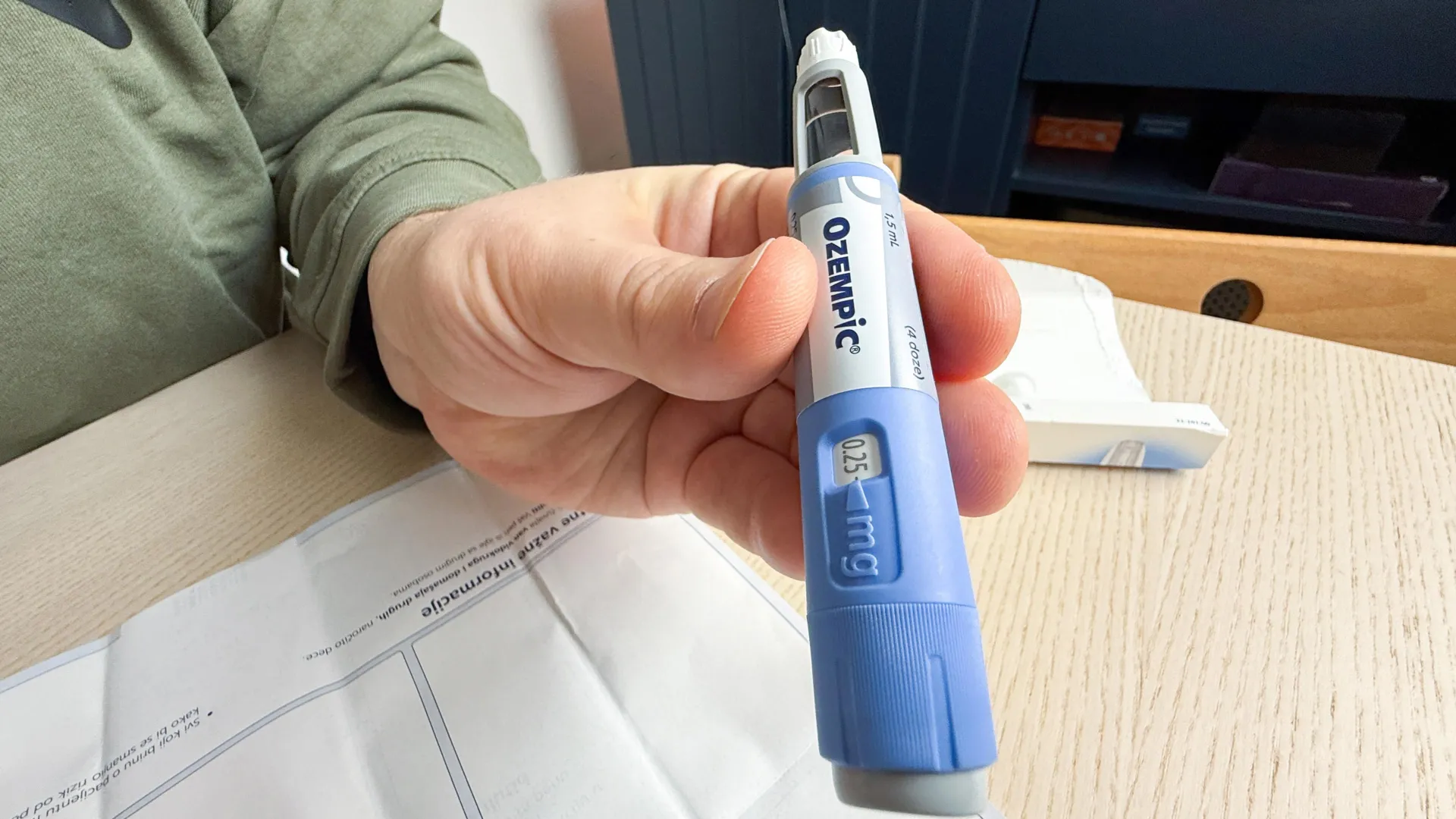
At the 2026 American Society of Clinical Oncology Annual Meeting, researchers unveiled a finding that has caught the attention of both oncologists and the millions of Americans already taking weight-loss medications: women using GLP-1 drugs like Ozempic and Wegovy appear roughly 30% less likely to develop breast cancer. The discovery emerged from analysis of electronic health records spanning 111,646 women aged 45 to 80 across the Penn Medicine health system between January 2022 and June 2025.
The significance of this finding lies not only in its scale but in its unexpectedness. These medications—semaglutide-based drugs including Ozempic and Wegovy, as well as tirzepatide medications like Mounjaro and Zepbound—were originally designed to manage type 2 diabetes. Yet they have become some of the most widely prescribed weight-loss drugs in the United States, and now researchers are discovering they may offer protection against one of the most prevalent cancers affecting women.
Among the 111,646 women studied, 15,264 (13.7%) had documented prescriptions for GLP-1 medications, while 96,382 (86.3%) had no exposure to the drugs. The research team conducted two separate analyses. The first examined the entire population; the second paired each GLP-1 user with a non-user who shared similar characteristics including age, race, ethnicity, BMI, breast density, and diabetes status. In the full population, women taking GLP-1 medications showed 35.1% lower odds of developing breast cancer. In the carefully matched analysis, the figure was 30.5% lower—remarkably consistent results that suggest the link is real.
"While our study was observational and does not definitively confirm an association between GLP-1 medications and reduced breast cancer incidence, it does add to the growing body of evidence suggesting that it's worth investigating these weight-loss drugs as potential cancer prevention tools," said Elizabeth McDonald, MD, PhD, a professor of Radiology at the University of Pennsylvania Perelman School of Medicine and a practicing breast radiologist at Penn's Abramson Cancer Center.
The mechanisms at work likely involve more than simple weight loss, though that matters—excess weight, particularly after menopause, is a well-established breast cancer risk factor. GLP-1 drugs work by mimicking a naturally occurring hormone that regulates appetite and blood sugar. But researchers believe additional biological pathways are involved. These medications reduce chronic low-grade inflammation, a suspected contributor to breast cancer development. They also influence metabolism and can affect epigenetic processes that regulate gene activity. Together, these effects may suppress cancer development through multiple routes.
The researchers acknowledged several limitations in their work. The study did not distinguish between individual medications, nor did it account for treatment duration, genetic risk factors, or tumor characteristics. Additional analyses are planned to examine these variables more closely.
Rather than declaring victory, McDonald and her team are channeling this early signal into rigorous science. They are now working to launch a multisite clinical trial to examine whether GLP-1 medications can actually lower breast cancer incidence in high-risk women, including those with a previous history of the disease. This next phase of research aims to answer the question that observational data alone cannot: whether these drugs directly prevent cancer or simply correlate with other protective factors. The answer could reshape how millions of people understand the medications they're already taking.