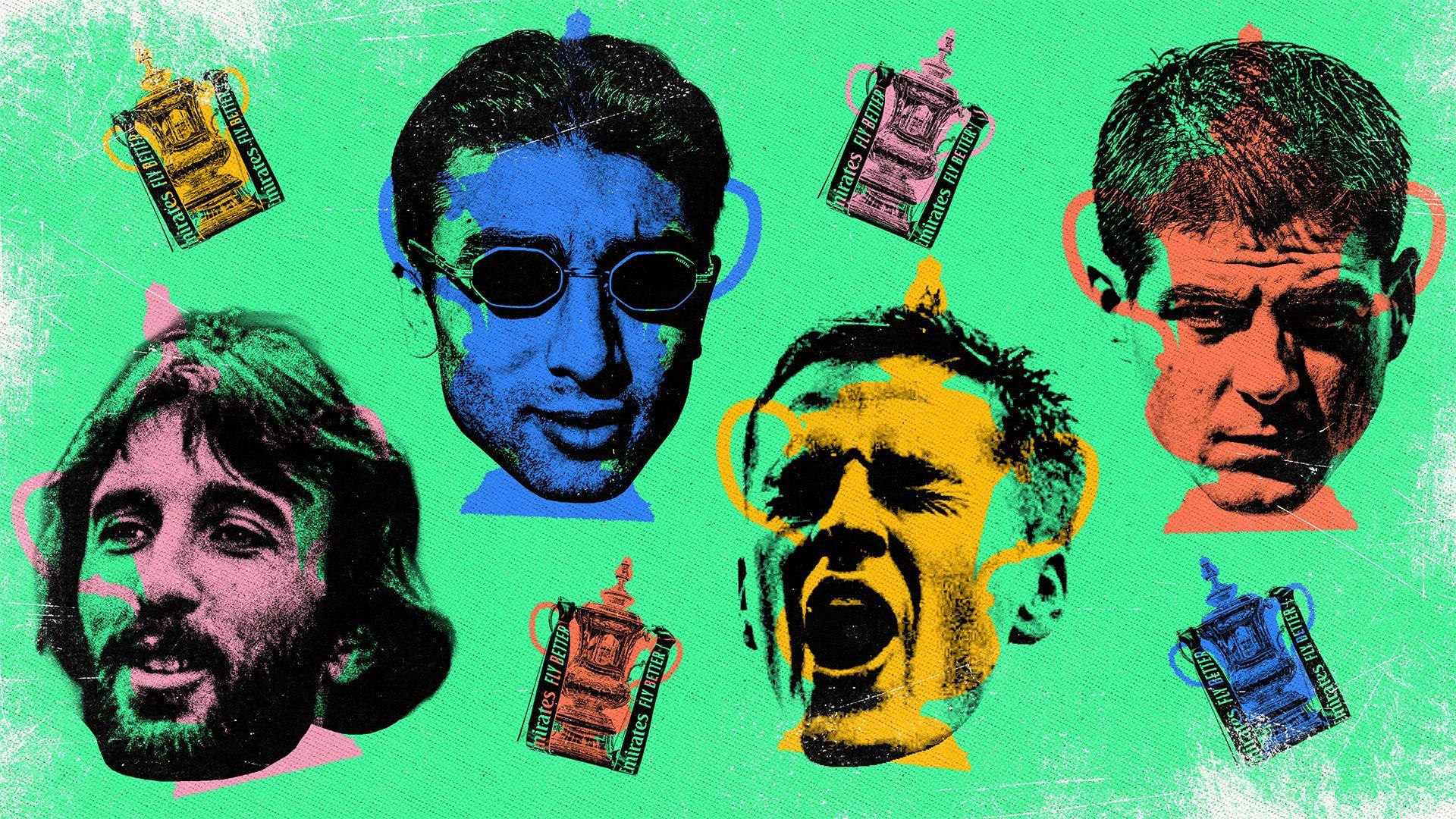
Ray Parlour's curly hair was bouncing as he picked up possession 30 yards from goal, and in that moment at the Millennium Stadium in Cardiff, the midfielder with only one league goal all season decided the 2002 FA Cup final would belong to him.
The FA Cup final has a way of etching moments into memory that outlast entire seasons. Some people can recall every detail of finals from their childhood and teenage years—the colours, the kits, the goalscorers traipsing up Wembley's steep steps—while forgetting what happened just a couple of years ago. But certain goals transcend the ordinary; they're the strikes that seal shock wins, the moments of individual magic that get rolled out in every cup final montage for decades to come.
From Leicester City's first FA Cup in 2021, sealed by Youri Tielemans' bullet-like drive into the top corner just five years before the club's descent to League One, to Ben Watson's 91st-minute header that sent Wigan Athletic past Manchester City in 2013 against all odds, the competition has produced some of football's most unforgettable moments. But the list stretches back further still. Charlie George's celebration in 1971 became iconic—the Arsenal forward laid flat on his back, arms outstretched, after lashing home the winner against Liverpool deep into extra time, claiming as he did that "as soon as it left my foot, I knew it was a goal."
Parlour's curling effort at Cardiff exemplifies why certain goals transcend their occasions. The midfielder had scored just once in 37 games that season, yet with 20 minutes remaining and Chelsea defenders William Gallas and Marcel Desailly backing off, he found space to curl an effort beyond Carlo Cudicini. Freddie Ljungberg added another stunning solo goal 10 minutes later, but Parlour's moment, born from opportunity and execution, became the one remembered. Norman Whiteside produced a similar strike in 1985 when Manchester United were down to 10 men against Everton, cutting in from the right and wrapping a curling effort around Pat van den Hauwe and beyond Neville Southall to pull off an unlikely win. Whiteside later told BBC Radio 5 live that "some people have had the audacity to ask if it was a cross!"
More recently, Ilkay Gundogan achieved something almost unimaginable: the fastest goal in FA Cup final history. With just 12 seconds on the clock and the captain's armband on his bicep, the Manchester City midfielder executed a perfect volley from a dropping ball, lacing a ferocious, dipping strike that David de Gea could only watch fly into the top corner. It was a goal that combined historical rarity with technical brilliance, and it exemplified how the FA Cup final continues to produce moments worthy of folklore.
What makes these goals unforgettable isn't just their technical execution or the drama surrounding them—it's that they emerge at moments when the stage feels largest, when individual brilliance can shift trajectories, when the anticipation before kick-off actually does produce a new hero.