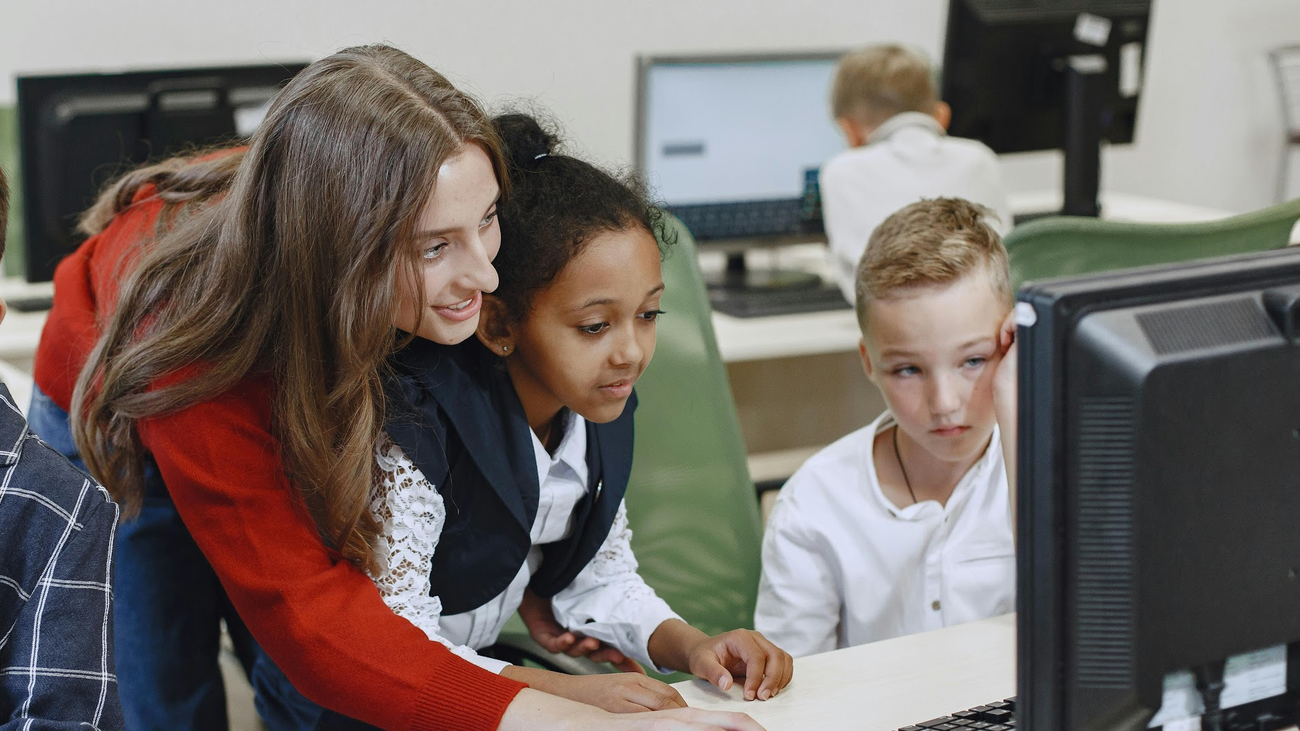
In a classroom in Lahore, a young girl reads aloud to her teacher, her voice gaining confidence with each word—prompted not just by encouragement, but by an AI-powered app that listens, adapts, and guides her in real time. This quiet moment of progress is part of a much larger vision now unfolding across four nations: Brazil, India, Pakistan, and Kenya. Google.org and UNICEF have launched a three-year partnership to bring AI-driven education tools into classrooms and communities where the digital divide has long hindered learning. With a focus on literacy, numeracy, and teacher training, the initiative aims to transform education systems from the ground up—ensuring that innovation doesn’t just reach the privileged, but uplifts those who need it most.
The stakes could not be higher. In Pakistan, millions of children are out of school, and many of those enrolled are years behind in foundational skills. In Kenya, despite progress in enrollment, learning outcomes remain uneven, especially for girls and rural students. India and Brazil, too, face deep inequities in access to quality education. This partnership meets those challenges with a dual engine of technology and human expertise: Google’s AI tools like ReadAlong, Gemini for Education, and NotebookLM, paired with UNICEF’s decades of on-the-ground experience in building resilient education systems.
In Pakistan, UNICEF will train educators to use Google ReadAlong, an app that supports early reading by listening to children read and offering real-time feedback—helping bridge learning gaps both inside and outside school. In Kenya, a new digital learning program will train teachers, expand access to devices, and shape sustainable education policies, all enhanced by AI tools that personalize learning and strengthen critical thinking. Similar efforts will roll out in India and Brazil, tailored to local curricula and community needs. Google.org’s funding will support these efforts, while Google engineers and product teams provide technical guidance, workshops, and ongoing support to UNICEF, government partners, and educators.
What sets this initiative apart is its commitment to scalability and accountability. UNICEF will produce annual impact reports, measuring everything from reading fluency gains to teacher confidence in using AI tools. The goal is not just to improve outcomes in these four countries, but to create blueprints that can be adapted and shared globally. This aligns with UNICEF’s broader Digital Education Strategy, which insists that digital learning must be rooted in children’s rights, teachers’ realities, and community needs—not just technological novelty.
As AI reshapes the world, this partnership offers a hopeful model: one where innovation is not a luxury, but a lever for equity. The future of education isn’t just digital—it’s human, inclusive, and within reach.