Sebastien Beauzile, a 21-year-old from New York, walked into the hospital on December 17, 2024, and walked out as the first patient in his state to be declared cured of sickle cell anemia—a genetic disorder that has caused pain and suffering for hundreds of thousands of people, disproportionately in Black and Hispanic communities. His treatment with lovotibeglogene autotemcel, a groundbreaking gene therapy approved by the FDA just a year earlier, offers a glimpse at what was once unthinkable: not managing sickle cell disease, but curing it entirely.
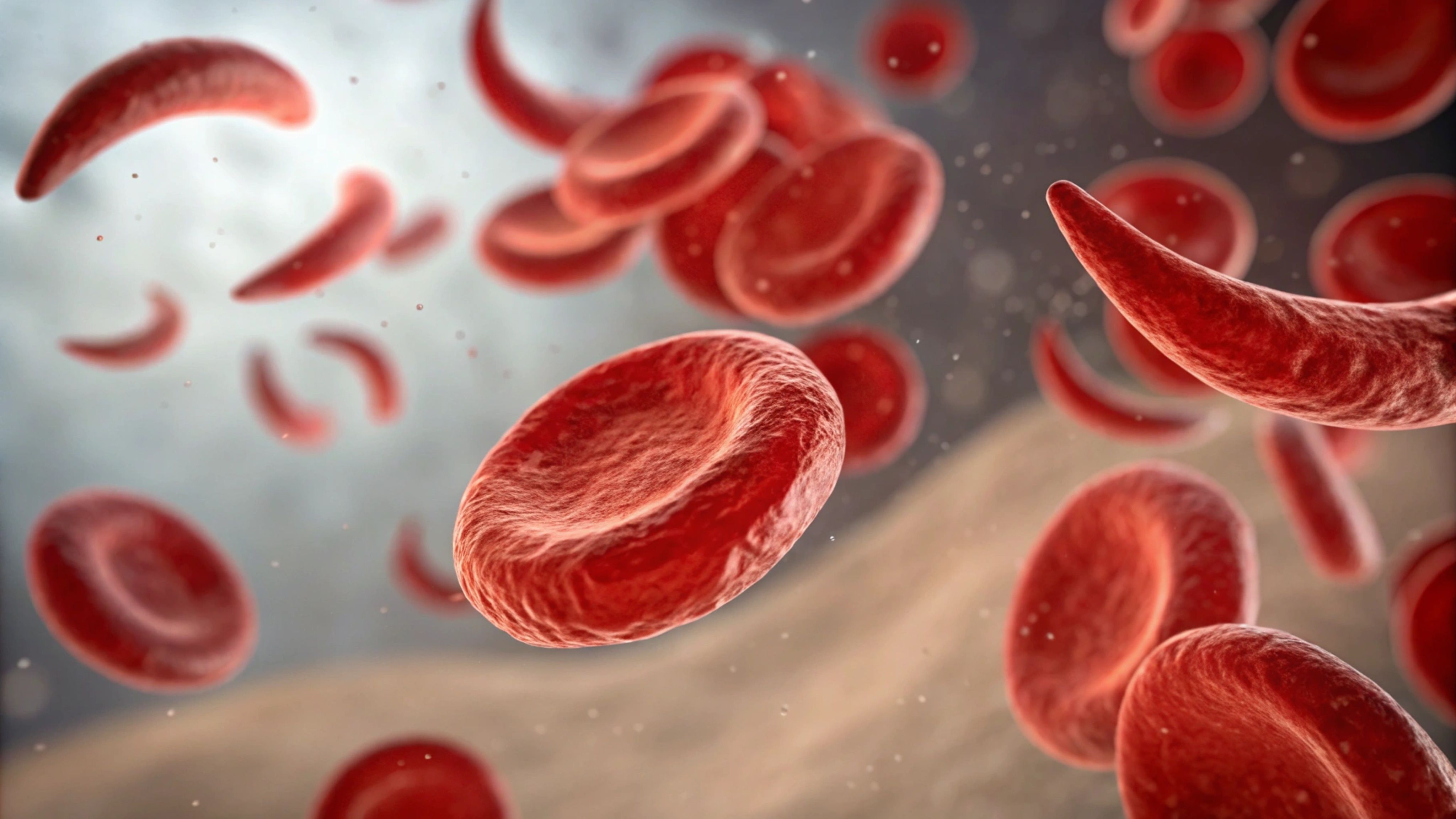
For decades, people living with sickle cell anemia have relied on treatments designed to ease symptoms rather than eliminate the condition. The disease alters hemoglobin, the protein that carries oxygen in red blood cells, causing them to twist into a crescent or "sickle" shape. These rigid cells jam in blood vessels, blocking blood flow and triggering episodes of excruciating pain. Standard care involved hydroxyurea, pain management, and other medications—all aimed at survival, not recovery. According to the CDC, the disease strikes roughly 1 in every 365 Black infants and 1 in every 16,300 Hispanic infants, making it a silent crisis with deeply unequal impact.
Beauzile's treatment represents a watershed moment. Lovotibeglogene autotemcel works by collecting a patient's own blood stem cells, genetically modifying them to produce a healthy hemoglobin variant called HbAT87Q, and then reintroducing them through a single infusion. The modified cells produce hemoglobin that functions like that of people without the disease—cells that bend and flow freely through the body without sickling or blocking oxygen delivery. In clinical trials, 88 percent of participants experienced complete resolution of symptoms within 6 to 18 months. No vaso-occlusive crises. No pain. A life unburdened by the genetic cards dealt at birth.
"This is a fix," said Dr. Jeffrey Lipton, director of pediatric hematology oncology and stem cell transplantation at Beauzile's treatment center. "Other drugs modify the disease, but this is a cure. I suspect this will replace bone marrow transplants in time." Beauzile himself embodied the transformation—he has been symptom-free since receiving the therapy and told reporters, "I'm not in pain anymore."
Yet even as lovotibeglogene autotemcel rewrites what's possible in sickle cell treatment, it exposes a harsh reality about modern medicine. The therapy is priced at approximately $3.1 million per treatment—a barrier so steep that many patients who could benefit will never access it. The disease has long been a health equity crisis; the therapy risks becoming one too. Hundreds of thousands of people living with sickle cell anemia still have no path to cure, raising urgent questions about who gets to live free from this genetic burden.
Still, Beauzile's case marks a threshold crossed. For the first time in medical history, sickle cell anemia is not inevitable. It is not a life sentence. It is treatable, curable, and in at least one young man's life, entirely gone. The challenge ahead lies not in whether the cure works—it does—but in whether the world will build the systems needed to make it available to everyone who needs it most.