Penang has just set a cultural preservation record that hasn't been matched in decades—gazetting 50 heritage items in a single year, from the ancient Cherok Tok Kun Inscription to the beloved street food asam laksa. This sweeping recognition represents something far larger than bureaucratic paperwork: it's the state's formal commitment to protecting the living, layered identity that makes Penang distinctive across Malaysia and the world.
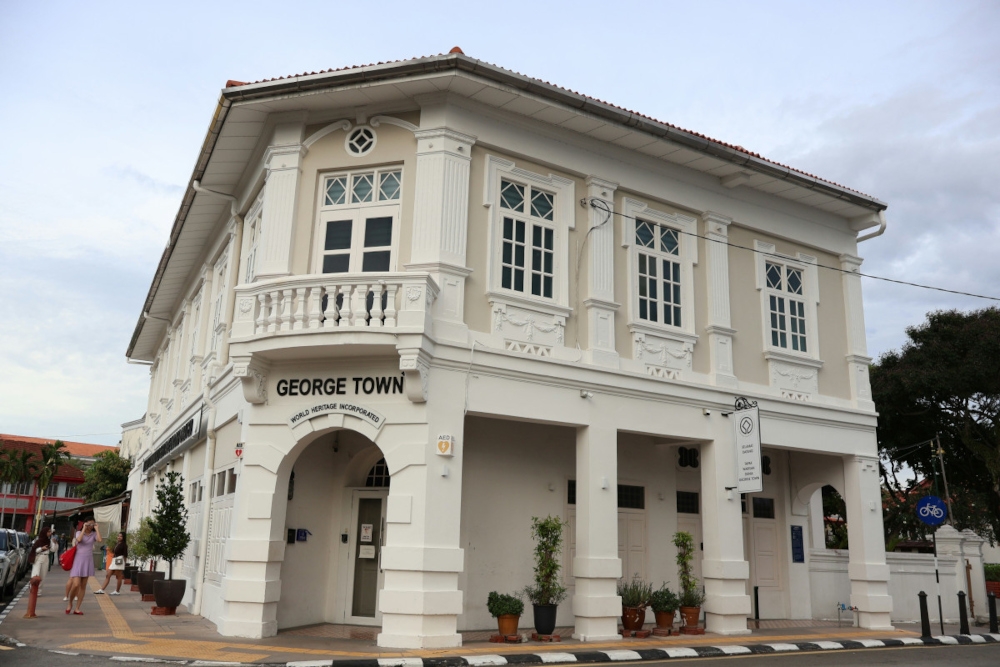
The inaugural gazettement, announced by State Tourism and Creative Economy Committee chairman Wong Hon Wai, breaks down into three categories that reveal how deeply heritage runs through daily life in Penang. Fifteen historic sites received protection on May 7, including architectural landmarks like Fort Cornwallis, Kapitan Keling Mosque, and Leong San Tong Khoo Kongsi—structures that embody centuries of trade, settlement, and cultural exchange. The Guar Kepah Archaeological Site and Penang Free School join these monuments as living testimony to the state's past.
Yet the true breadth of this effort becomes clear when you look beyond brick and mortar. Seven intangible cultural traditions were gazetted, starting January 22 with practices that pulse through Penang's public life: the nasi kandar and kopitiam cultures that define informal community gathering, the annual Thaipusam procession and Chingay procession that draw thousands into streets painted with devotion and colour, the St Anne's Festival in Bukit Mertajam, and the Penang Tanjong dialect—a linguistic marker of local identity. The Nillaikalakki Silambam martial art followed on May 7, recognizing a practice rooted in Penang's Tamil heritage.
Perhaps most striking is the gazettement of 28 heritage food items—a testament to how culture lives on the plate. Nasi kandar, pasembor, char kuey teow, asam laksa, Hokkien mee, roti benggali, cendol, teh tarik, and ais kepal now hold official status as treasures worth protecting. These aren't museum pieces. They're dishes served in hawker stalls and family kitchens, eaten daily, passed down through generations.
Wong emphasized that this recognition is not mere administrative process but a strategic move with ambitions that extend far beyond Penang's borders. The gazettement under the Penang State Heritage Enactment 2011 creates a pathway toward elevation under the National Heritage Act 2005, potentially positioning Penang's cultural heritage for nomination to Unesco's Representative List of the Intangible Cultural Heritage of Humanity. That means a nasi kandar seller's technique, the rhythm of a Chingay procession, or the recipe for asam laksa could one day be recognized as part of humanity's shared cultural wealth.
As Wong stated in his formal announcement, "2026 can be regarded as a significant year that sees Penang's cultural heritage reach a higher, deeper and more organised level of protection." The institutional recognition reflects not nostalgia but a living strategy: positioning cultural heritage as a genuine economic asset for tourism and the creative economy while ensuring that what makes Penang distinctly itself isn't lost to time or homogenization. In protecting these fifty items—sites, traditions, and flavours—Penang is protecting the very fabric that makes it a place worth visiting, living in, and caring about.