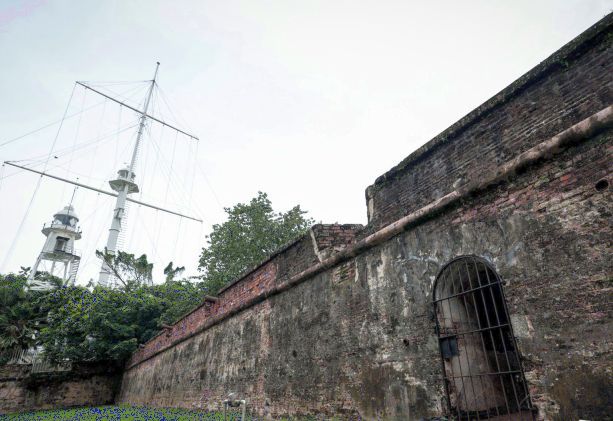
After 15 years of legal framework sitting unused, Penang has finally acted: on May 28, the Malaysian state officially gazetted 50 heritage items—15 sites, 7 intangible cultural elements, and 28 food traditions—marking the first state-level cultural preservation action under the Penang State Heritage Enactment 2011.
The significance of this moment cannot be overstated. While the law passed in 2011, no official gazettement had ever taken place, leaving Penang's remarkable cultural mosaic without formal institutional protection. Wong Hon Wai, the state's tourism and creative economy committee chairman, framed this milestone as translating legislative promise into concrete action. "This year, the state government translated the provisions of the law into concrete action by gazetting 50 items, laying a stronger institutional foundation for preservation efforts," he said.
The gazetted heritage sites read like a map of Penang's layered history: Fort Cornwallis, the colonial military fortress; Kapitan Keling Mosque, a 18th-century cornerstone of the state's Muslim community; Penang Free School, an educational institution founded in 1816; St George's Church, one of the oldest churches in Southeast Asia; the Guar Kepah archaeological site, revealing pre-Islamic settlement; Cherok Tok Kun Inscription Stone, bearing ancient script; and the Leng Eng Seah Association building in Butterworth, part of the Chinese heritage fabric.
But Penang's cultural preservation extends far beyond buildings. The seven intangible elements capture living traditions that define daily life and celebration: nasi kandar culture and kopitiam culture—both central to how Penang residents gather and connect—alongside the annual Thaipusam and Chingay processions, the St Anne's feast in Bukit Mertajam, and the distinctive Penang Tanjong dialect. These traditions, passed from generation to generation, exist in the spaces between formal institutions, in streets and homes and community practices.
Perhaps most distinctive is the gazettement of 28 heritage food items. Asam laksa, char kuey teow, nasi kandar, cendol, roti canai, putu mayam, and pasembor are not merely recipes; they are cultural ambassadors, storytellers of ingredient histories and intercommunal commerce, embodiments of how migration, trade, and coexistence are written into everyday consumption. By formalizing these foods as heritage, Penang recognizes that culture lives on the plate as much as in the museum.
Wong emphasized that this preservation effort reflects something larger than nostalgia: it positions heritage as an economic and social asset. "The gazettement of these cultural heritage items not only demonstrates Penang's proactive role in heritage preservation, but also reflects the state's long-term vision of positioning cultural heritage as an important asset in tourism development, educational research and the creative economy," he said. Gazetted items may now be proposed for national recognition under the National Heritage Act 2005, with intangible cultural elements potentially nominated for UNESCO's Representative List of the Intangible Cultural Heritage of Humanity.
Yet Wong's closing remarks captured something deeper: cultural heritage as a binding force in a plural society. When the histories, beliefs, celebrations, languages, and food cultures of Malaysia's multi-ethnic communities are formally recognized and institutionally protected, he argued, society deepens mutual understanding and strengthens the foundations of unity. After 15 years of waiting, Penang has finally put that principle into practice.