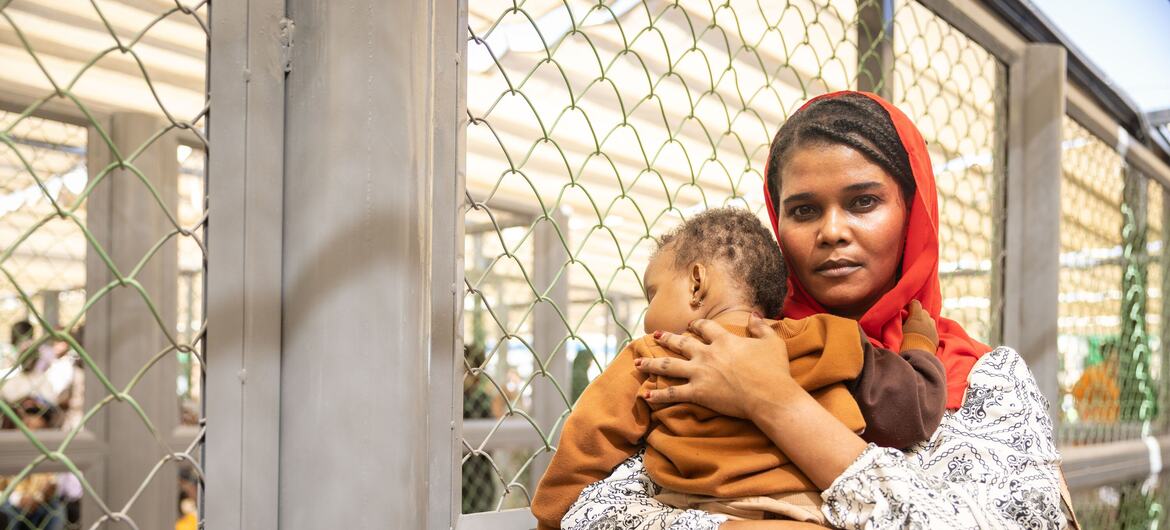
Two out of every three people on Earth believe that people fleeing war or persecution should be able to find safety in another country. That is one of the main findings from a huge new survey by the UN refugee agency, UNHCR, and polling firm Ipsos, which talked to more than 21,500 people across 29 countries.
Despite what often feels like a loud and angry debate about immigration, the data shows that public support for refugees has stayed strong for years — even as fake news and hate speech have grown online.
"What we see at the moment is a tension between people wanting to support those in desperate need at the same time as having doubts about whether the system is working as it should," said Trinh Tu, who manages Ipsos UK. Many people hold both views at once: they believe in the right to seek asylum, but they also wonder whether everyone who applies truly needs protection.
This split shows up in the UK, where net migration is actually at its lowest point in years, yet half of British people think immigration has "gone mad," even though the facts say otherwise. In Germany and Sweden, where many refugees have settled, public backing for asylum seekers remains solid. But in Türkiye and Poland, support has slipped compared with earlier years.
Younger people showed the most compassion. Nearly half of Gen Z — those born between 1997 and 2012 — believe refugees will successfully integrate into their new countries. That is higher than the 39 percent of Baby Boomers who feel the same way. Gen Z was also less likely to support closing borders or doubt refugees' motivations.
Some countries have grown much more supportive over time. In Japan, backing for people seeking refuge jumped from 23 percent in 2019 to 64 percent today. France rose from 43 percent to 68 percent over the same period. The strongest support was found in Sweden and the Netherlands, where 78 percent of people said they backed refugee rights, followed by Spain at 76 percent.
Dominique Hyde, who leads external relations at UNHCR, described visiting a refugee camp in eastern Burundi where more than 57,000 people from the Democratic Republic of Congo have fled intense fighting. Only about four in ten had a proper shelter.
"I sat with mothers, I sat with fathers who had barely enough to eat," Hyde said. She heard from families about overcrowded tents, unsafe water, and cold nights at high altitude. "Generosity cannot replace international responsibility," she stressed, calling on wealthier nations to keep their promises.
This year marks 75 years since the original Refugee Convention was signed in Geneva, creating rules to protect people forced to flee their homes. The survey suggests the challenge now is not just defending that agreement, but making sure it actually works for the people who need it.