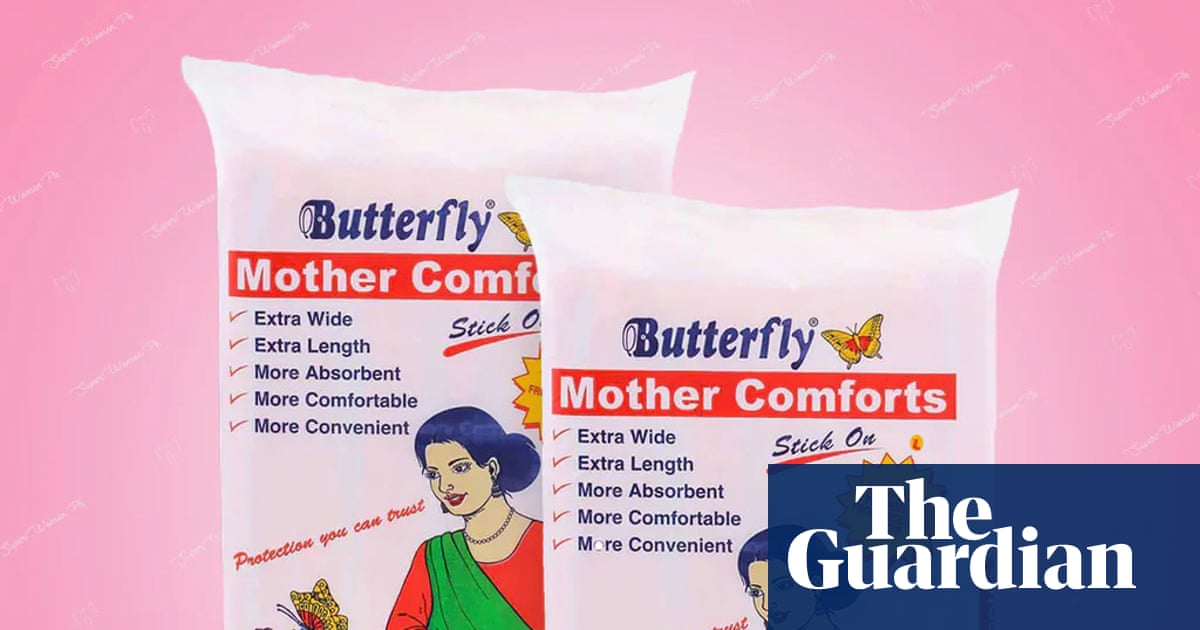
Mahnoor Omer, a 25-year-old lawyer from Lahore, sat at her desk last year drafting a petition that would soon ripple across Pakistan, challenging not just a tax but a deep-seated inequity. Today, that effort has borne fruit: Finance Minister Muhammad Aurangzeb has announced the abolition of the 18% sales tax on sanitary products, declaring them “daily necessities that are indispensable for women’s health, dignity and full participation in social activities.” This landmark shift, driven by a youth-led legal campaign, marks a turning point in Pakistan’s approach to menstrual health and gender equity.
For years, the so-called “period tax” placed a heavy burden on women in a country where only a minority can afford commercial sanitary products. According to UNICEF, most women rely on cloth or homemade alternatives, which can pose serious health risks, including infections. Imported sanitary items were taxed even more heavily, with an additional 25% customs duty, making them nearly inaccessible to low-income communities. The campaign led by Omer and fellow lawyer Ahsan Jehangir Khan reframed the issue as one of justice, not luxury, drawing widespread public support and thousands of signatures on a petition that echoed across social media.
The decision extends beyond menstrual products. The government will also eliminate the 18% sales tax on contraceptives, a move Finance Minister Aurangzeb tied to Pakistan’s urgent need for family planning. “Pakistan is the fifth-largest country in the world in terms of population,” he said, underscoring that “family planning is a top priority of the government.” UN Women welcomed the dual announcement, emphasizing that menstrual health is “a matter of health, dignity and equality – not a luxury,” and that removing financial barriers can help keep girls in school and women in the workforce.
Still, advocates stress that this is only the beginning. Bushra Mahnoor, executive director of the Pakistani period rights organization Mahwari Justice, called the tax repeal “just one step towards combating period poverty.” While the policy shift helps destigmatize menstruation, she noted that true menstrual justice requires more: access to clean water, safe sanitation, accurate education, and a culture free from shame. Mahnoor Omer echoed this, saying the fight is “definitely not over” and vowing to push for the removal of all remaining charges on essential period products.
As Pakistan takes this bold step, it joins a growing global movement to recognize menstrual health as a fundamental right. The conversation is no longer about taxes alone—it’s about dignity, equity, and the quiet courage of young activists who refused to accept the status quo.