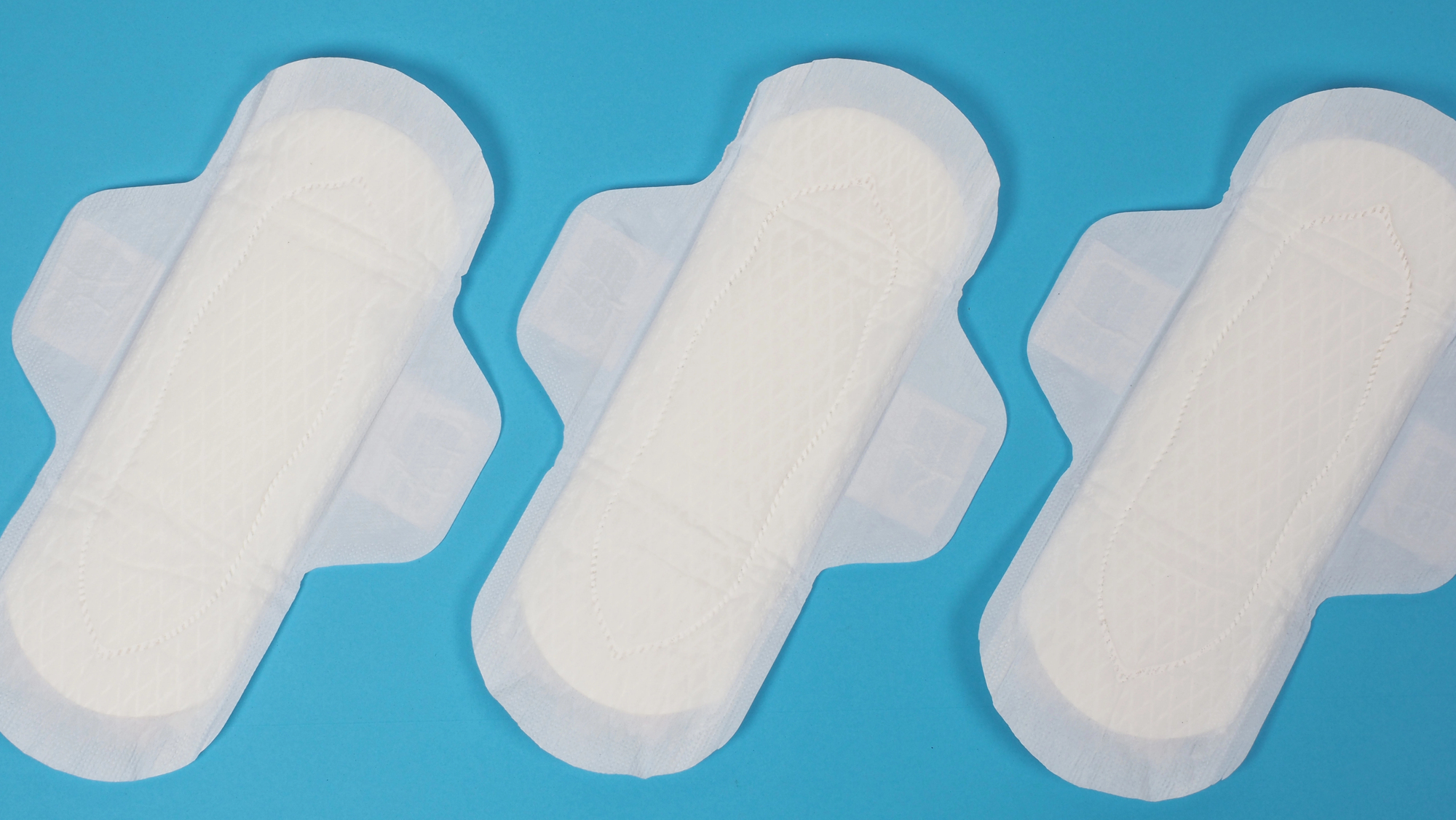
Mahnoor Omer, 25, was just starting her career as a lawyer when she realized the tax code in Pakistan treated her period as a luxury. Alongside Ahsen Jehangir Khan, 29, she filed a petition challenging the 18% sales tax on sanitary pads — a charge that, combined with a 25% customs duty on imported products, made menstrual hygiene unaffordable for millions of women. Their case sparked a national movement, drawing thousands of signatures and a powerful online conversation about dignity, equity, and the hidden cost of being a woman. This month, their persistence paid off: Finance Minister Muhammad Aurangzeb announced the removal of the 18% sales tax on locally manufactured sanitary products, declaring them “daily necessities that are indispensable for women’s health, dignity and full participation in social activities.”
For years, Pakistan’s tax structure sent a message — one that equated menstrual products with non-essentials, while cloaking a basic biological function in stigma. According to UNICEF, only a minority of women in Pakistan use commercial menstrual products; most rely on cloth or homemade alternatives, which increase the risk of infection. The financial barrier was more than economic — it was cultural. By taxing pads at such a high rate, the state implicitly treated menstruation as something shameful, something to be taxed like a sin rather than supported like a health need.
Now, that narrative is shifting. Bushra Mahnoor, executive director of Mahwari Justice, a Pakistani period rights organization, emphasized that while the tax change won’t instantly solve access issues — especially in remote or low-income areas — its symbolic power is transformative. “Menstrual justice also means access to clean water, sanitation facilities, accurate menstrual education and a society free from period stigma,” she told CNN. The government’s decision echoes a growing global recognition: menstrual health is not a luxury, but a fundamental right. UN Women praised the move as a step toward gender equality, noting it could help keep girls in school and women in the workforce.
The victory extends beyond pads. The same announcement scrapped the 18% sales tax on contraceptives, a move Aurangzeb tied to Pakistan’s urgent need for family planning — the country is the fifth most populous in the world. Still, campaigners like Omer aren’t done. The 25% customs duty on imported menstrual products remains, and advocates are already pushing for its removal. The law has changed, but the real test lies ahead: ensuring that every woman, whether in Lahore or a rural village, can access what she needs with dignity. This moment isn’t the end — it’s a foundation.