Plug-in hybrid vehicles are accelerating past traditional hybrids in South Africa, signaling a dramatic shift in how consumers think about fuel and electric power in one of Africa's largest automotive markets. In the first quarter of 2026 alone, PHEV sales surged 430 percent—from 241 units a year earlier to 1,277 units—making them the fastest-growing vehicle segment in the country, according to data from naamsa, the National Association of Automobile Manufacturers of South Africa.
This momentum didn't emerge overnight. Last year, PHEV sales jumped 280 percent compared with 2024, establishing plug-in hybrids as a genuine market force. Meanwhile, battery electric vehicles grew 97 percent in the same quarter, reaching 544 units. By contrast, traditional plugless hybrids fell 7 percent, from 2,970 units to 2,764 units—a telling reversal that suggests South African drivers are actively choosing vehicles that combine electric range with the security of a fuel backup.
The timing of this shift matters. South Africa's overall vehicle market is experiencing broad recovery, with Q1 2026 new vehicle sales climbing 12.4 percent compared to the same quarter in 2025. But within this expanding market, the preference for plug-in technology over conventional hybrids reflects changing consumer priorities around fuel costs and emissions. Recent petrol and diesel price increases, particularly those tied to Middle East geopolitics, are likely accelerating the appeal of vehicles that can run partly on electricity.
Still, new energy vehicles—including PHEVs, BEVs, and plugless hybrids combined—represented just 4 percent of total new vehicle sales in Q1 2026. When plugless hybrids are excluded, plug-in vehicles accounted for only 1.6 percent of the market. Pure internal combustion engine vehicles remain dominant, a reflection of both infrastructure limitations and the affordability premium that electrified vehicles still command in a developing economy.
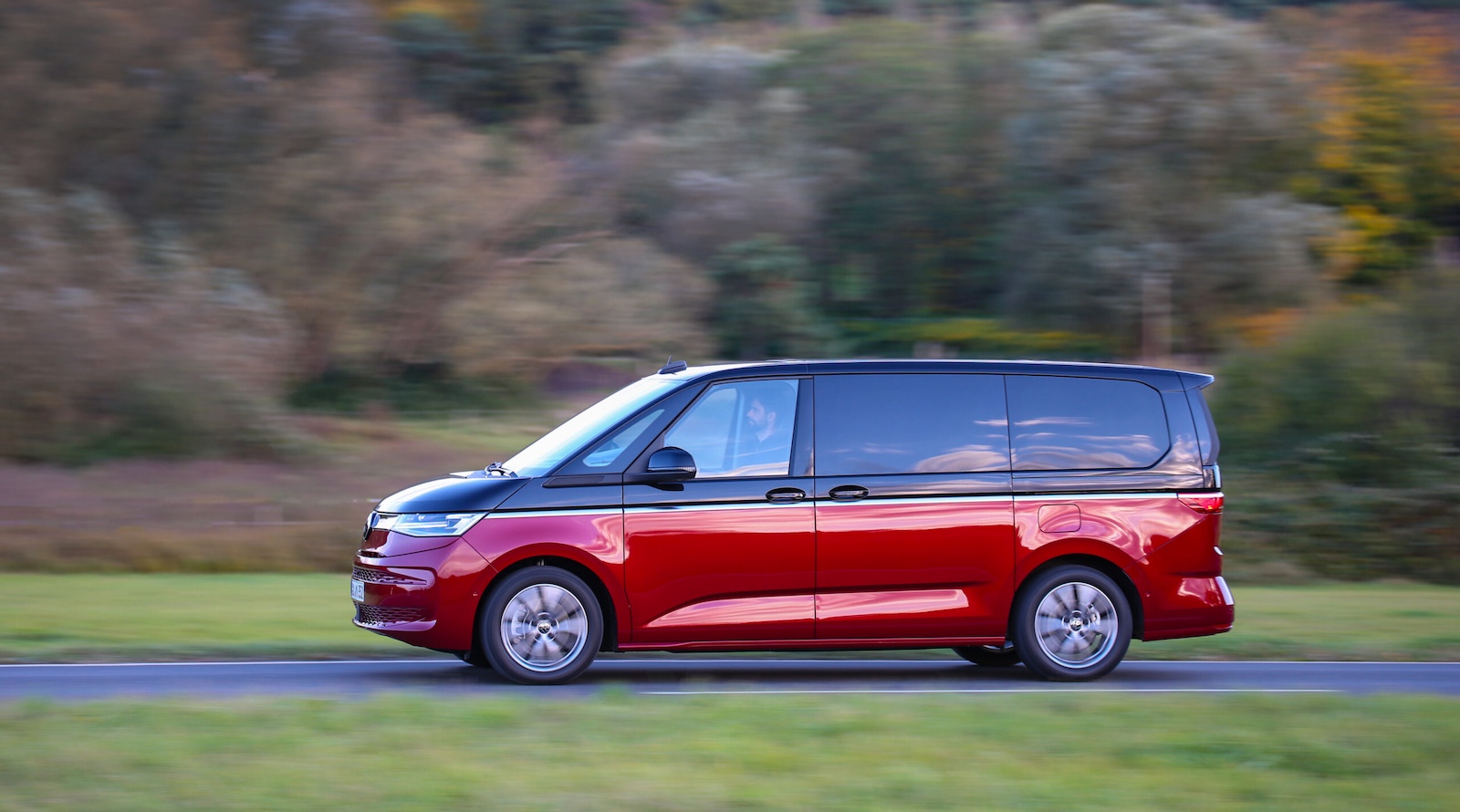
What's poised to shift this balance is the wave of new PHEV models arriving. Volkswagen's refreshed T7 Caravelle PHEV is coming to South Africa in 2026, offering up to seven seats on the MQB platform with dual electric motors—one per axle—that enhance traction and acceleration. The vehicle's 19.7 kilowatt-hour battery enables purely electric driving for up to 91 kilometers on a full charge. With fast-charging capability, it represents the kind of practical family vehicle that could broaden PHEV appeal beyond early adopters.
The broader context underscores why this matters. South Africa remains a production hub in the global automotive supply chain, ranking 21st globally with a 0.64 percent market share. The country's major light vehicle manufacturers invested R7.2 billion (roughly $435 million) in capital expenditure during 2025, much of it directed toward next-generation model development. As these manufacturers introduce more electrified options, they're positioning South Africa to capture demand from a continent where fuel costs and grid limitations have historically made hybrid technology more practical than pure electric vehicles.
Industry watchers expect PHEV and BEV growth to accelerate throughout 2026, driven by fuel price pressures and expanding model availability. The trajectory is clear: South African drivers are ready for vehicles that bridge the gap between petroleum and electricity, and manufacturers are answering with products that make that transition both practical and accessible.