Taiwan's Ministry of Health and Welfare announced yesterday that cancer patients who meet specific criteria will soon be able to receive chemotherapy at home, launching the program in the second half of 2026. The shift represents a significant expansion of home-based care in Taiwan and follows successful implementations in countries like France.
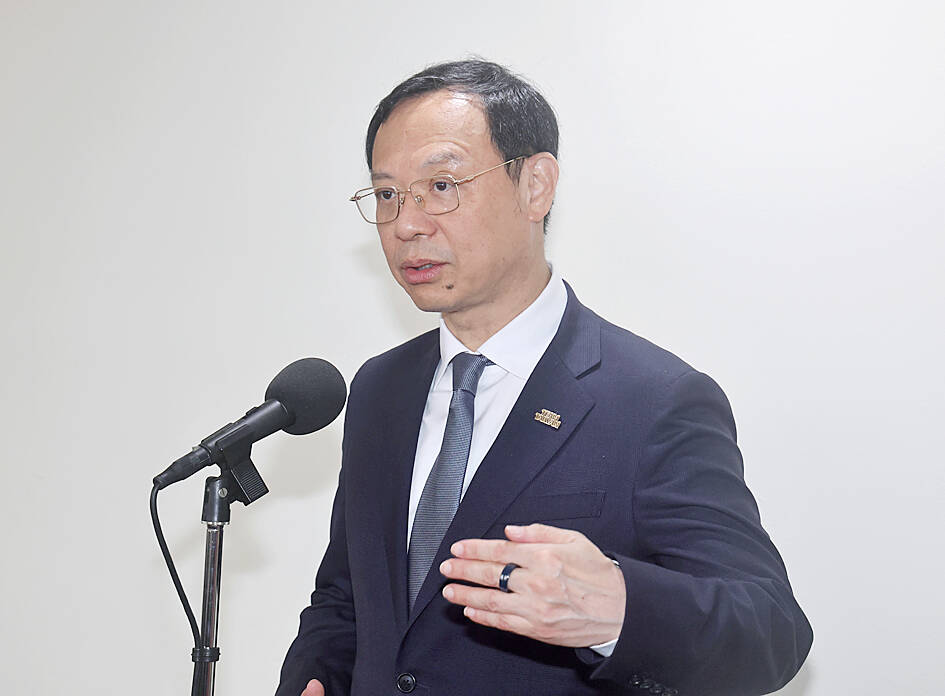
The new home-based chemotherapy option addresses a growing challenge in modern healthcare: how to deliver life-saving treatment while reducing the burden on hospital systems already strained by personnel shortages. Minister of Health and Welfare Shih Chung-liang explained that the program builds on Taiwan's existing home-care infrastructure. The ministry introduced home-based acute care two years ago, and intravenous antibiotic therapy became available in outpatient care departments last year. Home-based chemotherapy represents the logical next step in this progression toward patient-centered care.
Eligible patients—those who have already tolerated chemotherapy well in hospital settings and have a vascular access port surgically implanted—will be able to continue their treatment cycles at home under physician oversight. The vascular access port, a small device placed under the skin, allows chemotherapy drugs to be administered without repeated needle injections. Shih noted that eligibility will be determined on a case-by-case basis following individual physician evaluation. Cancer patients of all types may be candidates, he said, though not every patient will qualify.
The rationale for home-based chemotherapy extends beyond convenience. Patients receiving cancer treatment often have compromised immune systems, making them vulnerable to hospital-acquired infections. By allowing treatment at home, the ministry aims to protect these vulnerable patients from unnecessary exposure to pathogens in medical facilities. The program also promises to free up hospital beds—a critical resource given Taiwan's ongoing healthcare workforce challenges—while ensuring patients can maintain their treatment schedules without delays caused by bed availability constraints.
The financial framework, however, requires careful coordination. Many patients may hesitate to pursue home-based chemotherapy if their medical insurance plans only cover treatments delivered in hospital settings. To address this barrier, Taiwan's Ministry of Health and Welfare and the Financial Supervisory Commission are working together to overhaul medical insurance claim rules. Their broader review encompasses coverage for the transition from inpatient to outpatient care, one-day surgeries, and other home-based acute care services. The FSC met with insurance companies to discuss these changes and plans further consultations with industry stakeholders.
The potential benefits ripple through the healthcare system. Hospitals stand to gain from significantly reduced hospitalization expenses and improved bed utilization rates. Patients receive the dual advantage of safer treatment conditions—free from hospital-acquired infection risks—while their insurance coverage remains intact regardless of location. For a healthcare system grappling with personnel shortages and bed availability pressures, home-based chemotherapy represents both a humane advancement and a pragmatic solution.
Minister Shih's announcement reflects a quiet but significant shift in how advanced economies deliver cancer care. As treatments become safer and more reliable for home administration, the question shifts from whether home-based chemotherapy is possible to whether systemic barriers—insurance coverage, physician training, patient education—can be removed quickly enough. Taiwan's coordinated approach, bringing together health policy and financial regulation, suggests an answer is within reach.