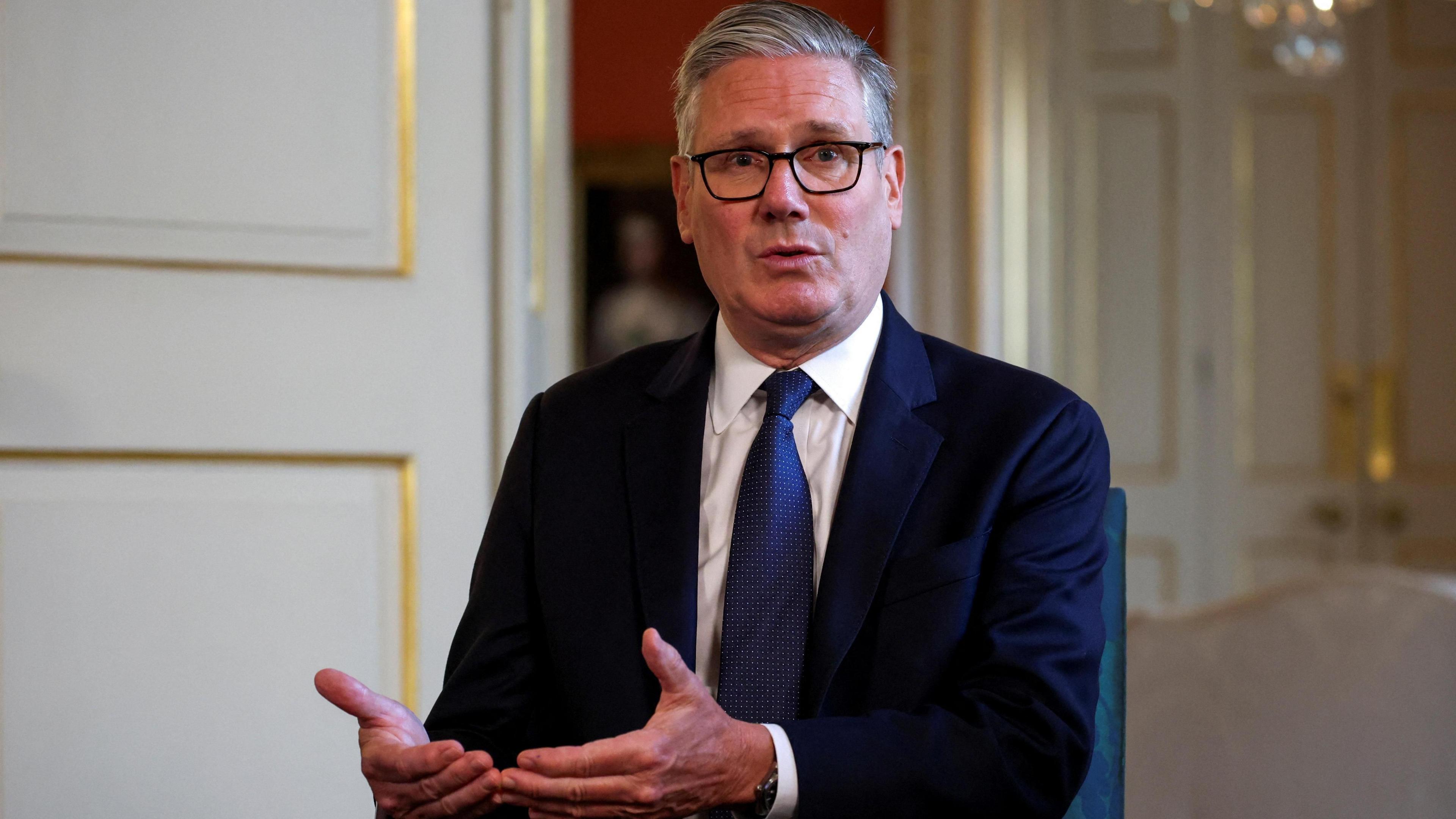
For 3,000 England fans who had already booked flights and hotels to watch their team play Mexico in the World Cup, a six-hour schedule change could have meant missing the match entirely. Thanks to British diplomats and the prime minister himself, that nightmare didn't happen.
FIFA, soccer's global governing body, had been preparing to move England's knockout match in Mexico City six hours earlier because thunderstorms were forecast. British officials argued against the change — and won.
Prime Minister Keir Starmer personally instructed his team to make the case for keeping the original kick-off time, working alongside the Football Association, which represents English soccer. Meanwhile, Home Secretary Yvette Cooper called the British ambassador to Mexico and asked diplomats to press FIFA directly to leave the schedule alone.
"We had to battle with the FA to get it back to where it was, which was counterintuitive," Sir Keir said at a Downing Street reception, noting that protecting the fans shaped his thinking.
FIFA ultimately kept the scheduled start time — though the game itself was delayed by an hour once the storms arrived. The match went ahead without England advancing; Mexico won 2-1 in extra time.
The outcome mattered beyond just the result. Thousands of England supporters had traveled far from home, and a last-minute schedule shift could have left them stuck outside the stadium. By keeping the original time, fans knew exactly when to be in their seats.
This kind of behind-the-scenes diplomacy is unusual in international soccer. World Cup schedules are typically locked in place, and governments rarely intervene. But the UK made clear it wanted its fans protected — and FIFA listened.
For the traveling supporters who made the trip, the match was about more than just soccer. It was about being there. And thanks to a phone call from Cooper and some quiet pressure from London, they got to be.