The American Cancer Society just expanded how people can catch colorectal cancer early, releasing updated screening guidelines in May 2026 that add two powerful new alternatives to the traditional colonoscopy. For millions of Americans who dread the procedure or worry about access, this shift means more pathways to detect cancer before it becomes dangerous.
The colorectal cancer landscape has been shifting for years. Rising incidence rates among adults under 50—a troubling trend that grabbed headlines and sparked widespread concern—prompted the society to lower the recommended screening age from 50 to 45 back in 2018. Now, building on that momentum and reflecting advances in medical science, the organization has opened the door to at-home stool tests and blood-based screening that patients can do in their doctor's office.
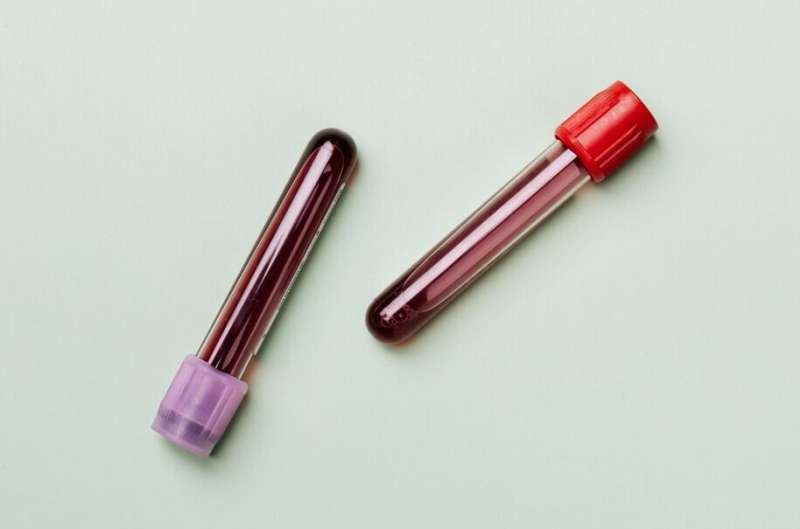
The first new option is an at-home screening test that analyzes stool samples for hidden blood and molecular markers pointing to colorectal cancer. Patients need to take these tests every three years. The second is a blood test performed at a doctor's office, designed for people who refuse both colonoscopy and stool-based screening. Both options represent a sea change in flexibility—patients now have genuine choices about how to protect their health.
For those at average risk, screening should still begin at age 45 and continue until age 75, or beyond if a doctor recommends it. Stool tests, in particular, require far less preparation than colonoscopy and have evolved significantly in their ability to detect polyps and abnormal cells. The new blood tests, while less sensitive than colonoscopy at preventing cancer, offer another route as science continues advancing the field.
But there's an important caveat: colonoscopy remains the gold standard, especially for people with family histories of colorectal cancer, genetic syndromes, or symptoms like blood in the stool. And if a stool or blood test comes back positive, a colonoscopy will be needed to follow up. For those experiencing warning signs—blood in the stool, changes in bowel habits, pain, or unexplained weight loss of 10 pounds or more—colonoscopy is the only recommended first step, regardless of age.
The real insight buried in these guidelines is elegantly simple: the best screening test is the one that actually gets done. Many doctor's offices aren't yet offering these new tests, so availability may be uneven at first. But the expansion sends a clear message—there's no one-size-fits-all approach to colorectal cancer screening anymore. A patient who was terrified of colonoscopy can now start with a stool test at home. Someone uncomfortable with that option can try a blood test instead. And for those at higher risk or with symptoms, colonoscopy remains the most reliable safeguard.
Colorectal cancer often has no early signs, which is why screening at 45—or earlier if you have risk factors—is crucial. The updated guidelines acknowledge what public health researchers know: removing barriers to screening saves lives. By offering choices, the American Cancer Society is making it easier for millions of Americans to take the first step toward early detection.