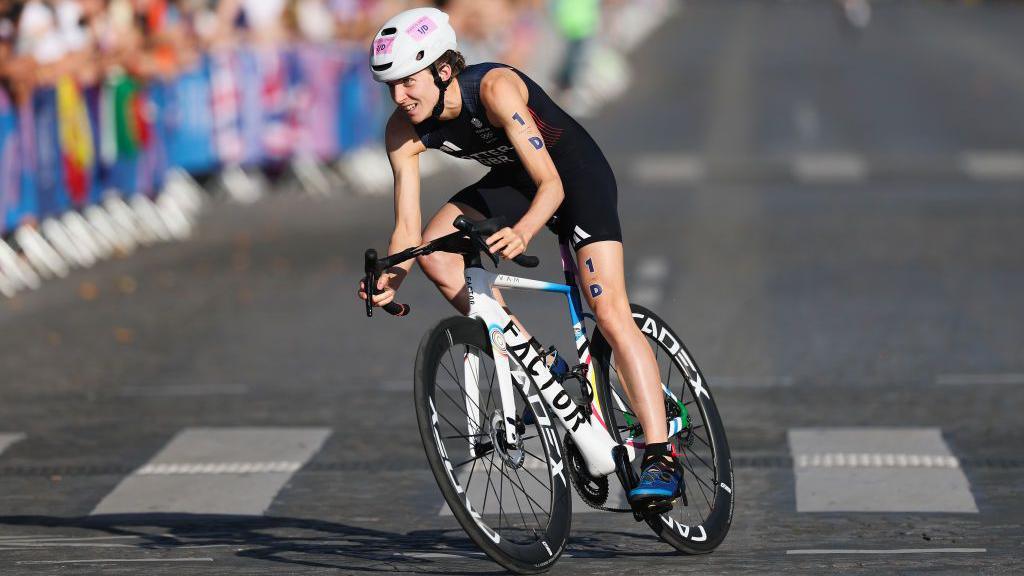
Alex Yee crossed the finish line at Yokohama's World Triathlon Series event just 44 seconds behind winner Matthew Hauser, and in doing so reminded the sporting world that Olympic champions don't simply fade away during their breaks. The 27-year-old British triathlete, fresh off gold at Paris 2024 and the world title crown later that year, had spent 18 months away from WTCS competition, pivoting to marathon running and becoming the second-fastest Briton of all time in December. His fifth-place finish was not just a respectable return—it was a statement of unfinished business on the triathlon circuit.
Yee's comeback matters because it speaks to a broader shift in how elite athletes now balance their careers across disciplines. Having dominated triathlon's biggest stages, he'd pursued marathon ambitions without abandoning his first love, training in both worlds simultaneously. That dual focus could have left him rusty on the triathlon course. Instead, his slim margin of defeat to Hauser suggests he never truly lost his edge. The Australian's victory carried its own significance: Hauser became the first man to successfully defend his Yokohama title, breaking what had been the course's pattern of new champions.
The podium reflected strong international competition. Miguel Hidalgo secured second place, while a tight sprint for the final spot saw Luke Willian edge out Vetle Thorn for third. Among Yee's British teammates, Jack Willis finished eighth and Max Stapley claimed 15th, keeping the nation well represented in the men's field. The convergence of these performances—from defending champions to athletes returning from extended breaks—painted a portrait of triathlon as both consistent and dynamic, where success demands constant reinvention.
Beyond the elite men's race, the day belonged to a wider cast of British champions. In the para racing events, Henry Urand won gold in the PTS3 category, with teammate Ryan Taylor rounding out the top five in fifth place. Josh Landmann secured sixth in the PTWC classification, while Hannah Moore earned silver in the women's PTS4, demonstrating that competitive excellence in triathlon spans multiple disciplines and adaptive categories.
Women's competition at Yokohama saw another familiar face shine. Beth Potter finished second for the second consecutive year, cementing her status as a consistent force in World Triathlon Series events—the kind of repeat podium finishes that build champions. Her performance underscored the depth of female talent in the sport.
What emerges from Yokohama is a snapshot of triathlon's health as a global discipline. Hauser's defensive victory, Yee's precise return to form, and the strength of British competitors across multiple categories all point to a sport where talent is distributed, resilience is rewarded, and ambition takes many forms. For Yee, the 44-second gap is less a defeat than a metric—proof that his marathon odyssey hasn't cost him his triathlon sharpness, and that future WTCS races may yet see him back on the top step.