When fisher Pak Joko first switched his boat’s sputtering diesel engine for a silent solar-powered motor off the coast of East Nusa Tenggara, he didn’t just cut his fuel costs by 70%—he gained something rarer: predictability. For thousands of coastal families across Indonesia’s 17,000 islands, energy insecurity once meant erratic incomes, spoiled catches, and blackouts that lasted days. Now, with support from UN agencies and the Indonesian government, a quiet transformation is underway—one powered by sunlight, smart policy, and community-led innovation. This isn’t just about cleaner energy; it’s about building resilience in a nation on the frontlines of climate change.
Indonesia, the world’s largest archipelago, faces a dual challenge: meeting surging energy demand while protecting its fragile ecosystems. With over 2,400 small-scale fishers now using solar-powered engines and improved cold storage, the shift is already delivering tangible benefits. These upgrades slash fuel use, reduce emissions, and shield livelihoods from volatile oil prices. But the change extends far beyond the coast. In 22 remote villages, 1.1 megawatts of solar mini-grids now power homes, clinics, and schools—cutting energy costs by up to 40% and avoiding 1,800 tonnes of carbon emissions each year. Nearly half of the local technicians maintaining these systems are women, a quiet revolution in both energy and gender equity.
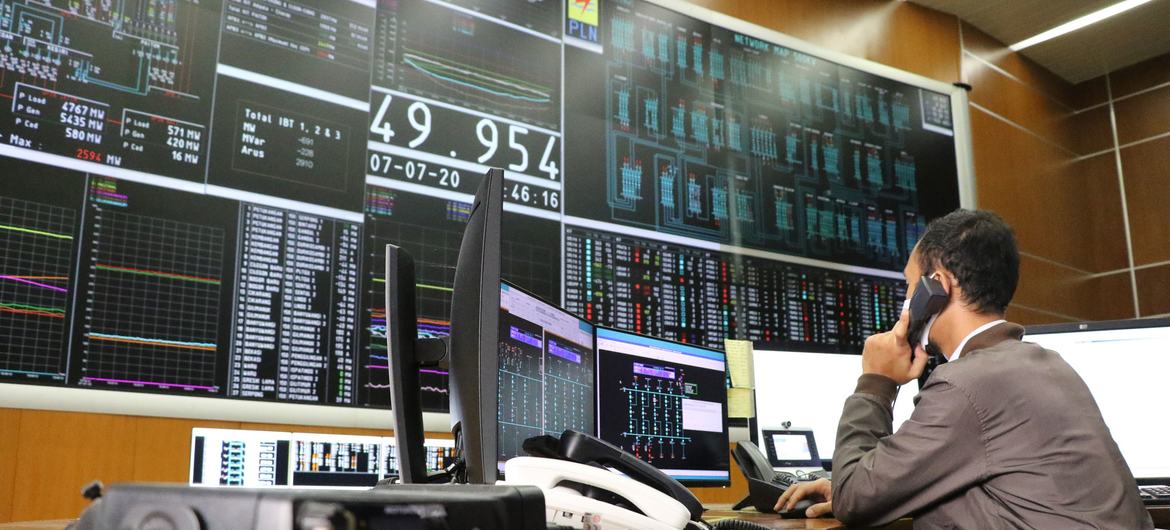
Behind these gains lies a coordinated national effort. UNOPS has identified over two gigawatts of solar potential ready for integration into the national grid, working alongside state-owned PLN to modernize infrastructure and improve stability. Meanwhile, UNIDO has helped fertilizer plants and other heavy industries avoid 328,000 tonnes of carbon emissions annually through efficiency upgrades—proof that cleaner production can also mean higher profits. To finance even greater change, UNDP is helping unlock up to $188 billion in investment needed to add 43 gigawatts of renewable capacity by 2034, using blended finance models that attract private capital. And as the energy mix shifts, the ILO is ensuring workers aren’t left behind, supporting retraining and new job pathways in the green economy.
Perhaps most telling is the Climate Village initiative in South Sumatra, where 285,000 residents have received training in renewable energy and low-emission technologies—turning everyday citizens into stewards of sustainability. From the fishing boats of Nusa Tenggara to the boardrooms of Jakarta, Indonesia’s energy transition is proving that resilience isn’t built overnight, but one solar panel, one trained technician, one empowered community at a time. As the world watches for climate solutions, Indonesia is showing that the future of energy isn’t just greener—it’s more human.