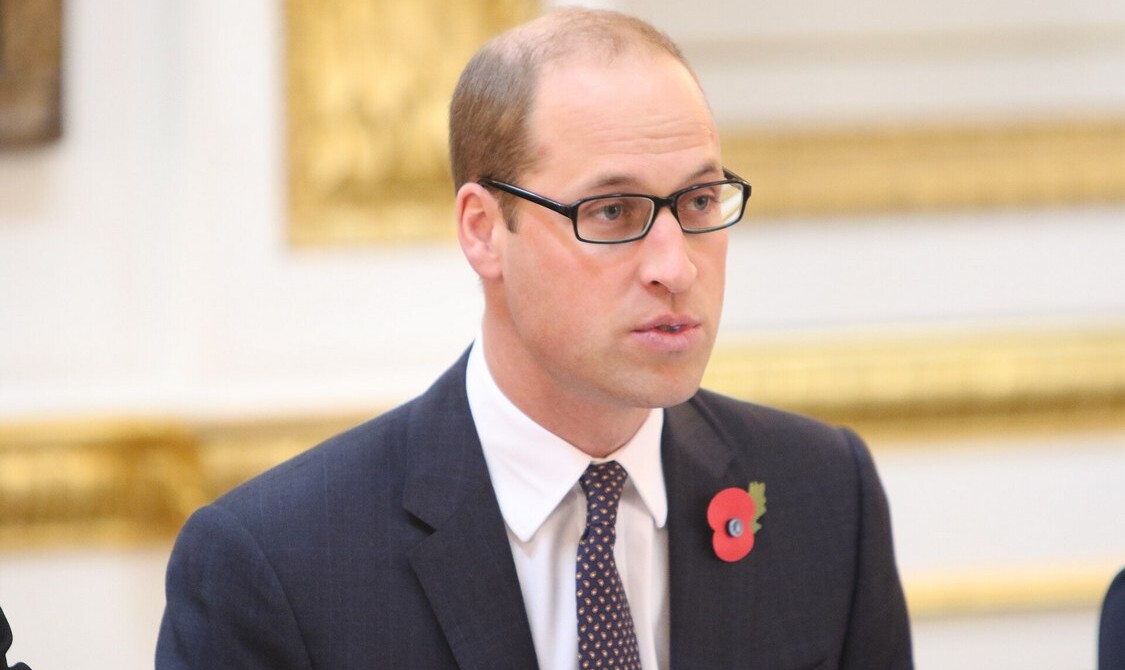
Prince William is selling a fifth of the Duchy of Cornwall—one of the world's largest privately held estates—to build affordable homes and restore wetlands, woodlands, and peat bogs across 19 English counties. The sale, expected to generate roughly half a billion pounds, marks a significant pivot for an institution founded 687 years ago by King Edward III as a private revenue stream for the heir to the British throne.
The Duchy of Cornwall spans 128,000 acres and today delivers Prince William an annual income of around £20 million. By selling 20 percent of its holdings, the Duke intends to funnel the proceeds into communities living on and near estate lands over the next decade—a commitment that signals a fundamental shift in how he views his inherited privilege. "We're not the traditional landowner," he told the London Times. "We want to be more than that. There is so much good we can do."
The ambitious scope becomes clear in the numbers. Early projections suggest the land sales could catalyze the construction of 12,000 housing units by 2040, with roughly one-third expected to be affordable for low-income residents. These properties will be concentrated in Bath, Cornwall, Dartmoor, the Isles of Scilly, and Kennington in south London—areas where the estate holds significant acreage and where housing affordability remains a persistent crisis.
But the initiative extends beyond bricks and mortar. Much of the Duchy's landholdings sit in rural areas where economic decline and population loss have hollowed out communities. Prince William's plan directs capital toward reviving these regions while simultaneously unlocking the environmental value embedded in the estate's natural assets. Peat bogs, woodlands, and wetlands—fragile ecosystems that store vast quantities of carbon—will receive restoration funding alongside development. Will Baxter, the Duchy's chief executive, framed the strategy plainly: "The estate should exist to make a positive impact, particularly in the communities where we can make the biggest difference."
The timing reflects broader pressure on the British monarchy. Scandals involving Prince Andrew and recurring criticism of royal finances have prompted the first formal review of royal property arrangements since 2012, with expectations of tighter oversight. Prince William's move appears designed to address those concerns preemptively, demonstrating that the institution can evolve beyond passive wealth accumulation and ceremonial patronage.
That evolution resonates. A 2017 YouGov poll found Prince William the most popular member of the British royal family—a standing that gestures like this land sale, focused on tangible community benefit rather than symbolic plaques, likely reinforce. By leveraging his inherited position to solve practical problems faced by ordinary people, he is attempting to make the monarchy feel less like a relic and more like an institution that matters to daily life.
The sale represents an experiment in what 21st-century stewardship might look like: a landowner with immense resources and centuries-old holdings choosing to direct both toward reducing inequality and restoring nature. Whether it succeeds depends on execution—on whether developments are genuinely affordable, whether restoration is ecologically sound, and whether rural communities feel the promised benefits. But the willingness to liquidate inherited assets for public good, rare among the ultra-wealthy, sets a different kind of precedent.