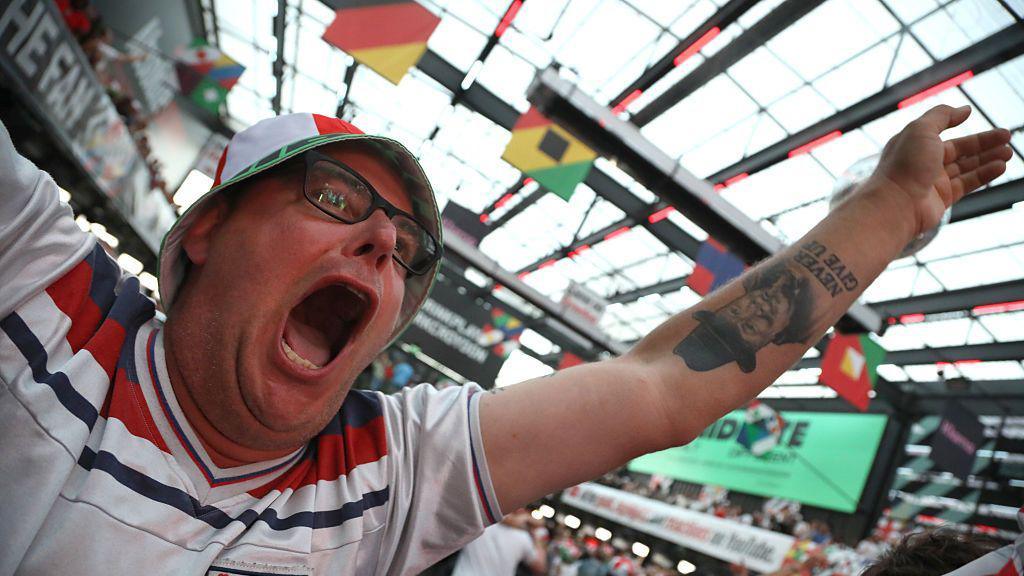
When the final whistle blew on England’s latest World Cup match, millions didn’t watch live—they caught it the next morning over breakfast, on a tablet, on demand. That simple act of shared national experience—families huddled around screens, reliving the drama together—is what the UK government now wants to protect for generations to come. In a move that blends nostalgia with digital foresight, Culture Secretary Lisa Nandy has unveiled plans to update a broadcasting law older than widespread internet access, ensuring that the country’s most cherished sporting moments remain free to all, regardless of when or how they’re watched.
The 'listed events' regime, established in 1996, was designed in an era when only 4% of UK households had internet access. Back then, live television reigned supreme, and the law ensured that events like the Olympic Games, the FIFA World Cup, and Wimbledon finals would be available on free-to-air channels. But as viewing habits shifted, a loophole emerged: while live broadcasts remained protected, streaming and on-demand rights could be sold to subscription platforms like Netflix or Discovery+, potentially locking fans out unless they paid. That could soon change.
Under the new proposals, digital and catch-up rights for crown jewel events—including the Olympics, the FA Cup final, the Grand National, and the Wimbledon finals—will be included in the protected list. This means public service broadcasters like the BBC and ITV must be given the first opportunity to acquire these rights, ensuring that no British viewer is priced out of witnessing history. Nandy emphasized the cultural weight of these moments: “With these changes we are protecting that for the future, ensuring streaming rights for the biggest sports events must be offered to our public service broadcasters.”
The move responds directly to a 2022 recommendation by the House of Commons Select Committee on Digital, Culture, Media and Sport, which urged the government to extend protections to digital platforms. While pressure had mounted to add the Six Nations rugby tournament to the list, ministers have decided the current balance is right—preserving public access without undermining the financial models of sports organizers who rely on broadcast revenue.
This isn’t just about convenience; it’s about equity. In an age where subscriptions stack up and digital walls rise, the government is drawing a line: some things belong to everyone. Whether you’re waking up early to stream a Wimbledon final or catching the Olympics after work, these moments should unite, not divide. As viewing evolves, so too must the rules—ensuring that the roar of the crowd, the tension of a penalty kick, or the triumph of a homegrown champion remains a shared birthright, not a premium feature.