At the Royal College of Art, researchers studying public toilets have uncovered a paradox that explains why British cities are steadily losing this essential infrastructure: large percentages of the UK population want more public toilets, yet nearly the same percentage would not actually use one. The barrier isn't physical—it's cultural. Our collective discomfort with discussing bodily functions, the stigma attached to public toilet use, and the sense that these spaces are inherently "dirty and unloved" have created a self-fulfilling prophecy that leaves planners, architects, and local authorities unsure how to proceed.
This matters because public toilets are not luxuries or conveniences. They are basic infrastructure, as essential to a functioning public realm as pavements or street lighting. Yet across the United Kingdom, provision has collapsed. In London, a city of nearly nine million people, only seven of the 33 councils have been awarded Pride in Place funding—and it remains unclear how many will direct those resources toward toilet facilities. In north London, campaigners have spent twenty years pushing for decent provision, revealing how deeply entrenched the problem has become. The mile-long Kilburn High Road stands as a stark example: despite an energetic local campaign that won Brent council's commitment to renew facilities in Roundwood Park, the broader questions about the high road itself remain unresolved.
Researchers at the Royal College of Art's Public Toilets Research Unit, led by Prof Jo-Anne Bichard and Gail Ramster, have documented how this cultural taboo manifests in planning documents. Public toilets are routinely described using euphemistic language—"amenities," "necessities," or "facilities"—language that keeps the conversation at arm's length. More troubling still is how the fear of vandalism has shaped design. In an effort to prevent misuse, architects have created sterile, unwelcoming spaces that discourage legitimate users and further diminish both the availability and desirability of public toilets. It is a design failure born from the same stigma that inhibits their use in the first place.
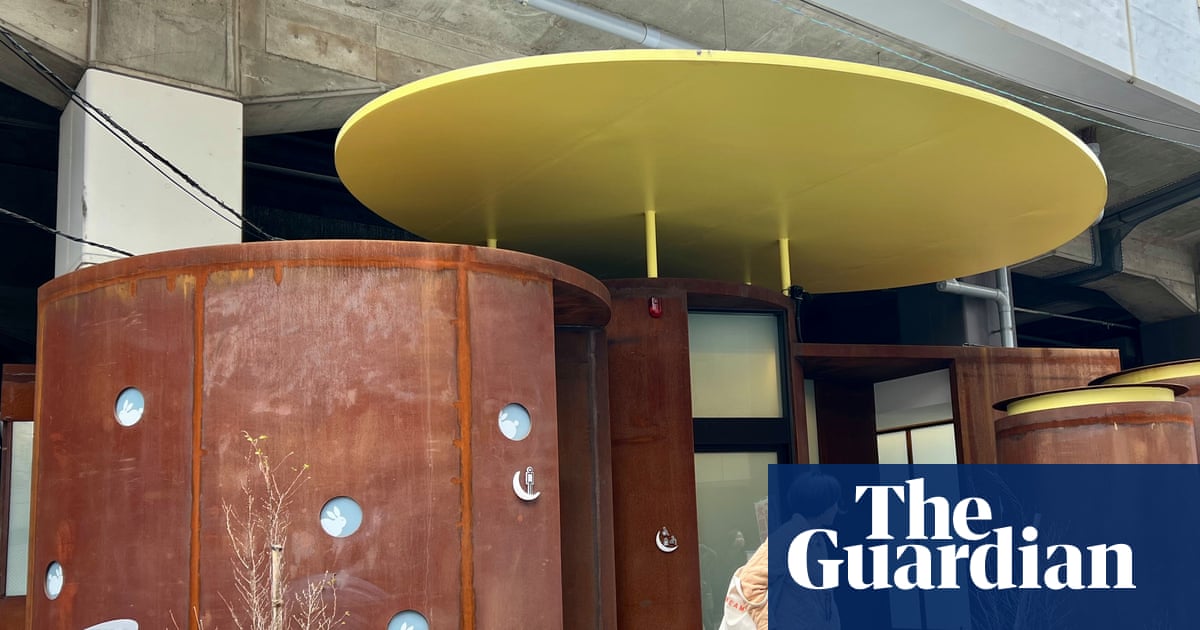
The solution requires more than simply building more toilets. It demands an honest conversation about why we need them, coupled with investment in maintenance and design that treats these spaces as valued parts of the public realm rather than necessary evils. Tokyo offers a model: public toilets there bring joy and civic pride to communities. Free provision is also crucial—using a public toilet is not a discretionary choice, but a fundamental human need. Governments and local authorities must recognize that, like any shared public good, these facilities require revenue investment and cannot be funded through convoluted schemes that undermine their status.
For those living with medical conditions affecting continence—whether from prostate cancer treatment, bowel conditions, or aging—the absence of accessible public toilets is not an inconvenience; it is a barrier to participating fully in public life. The Bladder and Bowel Community's Just Can't Wait card has become a lifeline for many, providing both practical access and psychological permission to seek facilities when needed. These individual stories point to a broader truth: public toilet provision is about dignity, access, and the right to move freely through shared spaces. Until planners, policymakers, and the public can speak candidly about bodily functions and treat toilet provision as the community asset it truly is, Britain's cities will continue losing what future generations will desperately wish they had preserved.