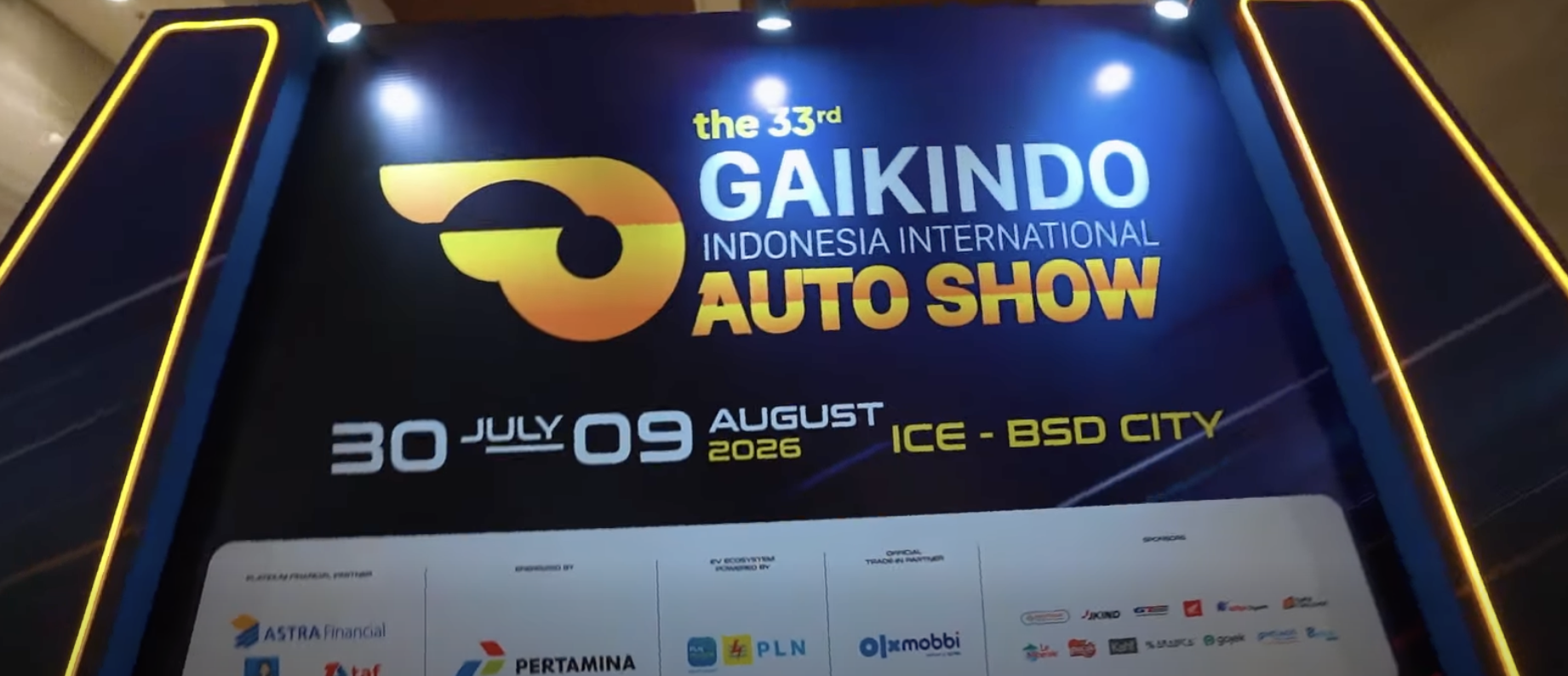
Walk onto the exhibition floor in BSD City, Indonesia, and you will hear something unexpected among the usual car show buzz: the quiet hum of electric motors. At the 33rd GAIKINDO Indonesia International Auto Show, more than 65 automotive brands gathered this August to show that Southeast Asia is embracing a cleaner future on four wheels.
The numbers tell part of the story. Sixty-five brands is not a small crowd. And among them, pure electric vehicles — cars that run only on batteries, no gasoline at all — were the main attraction. Chinese, South Korean, and Vietnamese automakers arrived with local assembly plans, new charging networks, and vehicles designed for Southeast Asian families. Their goal is simple: win over buyers in a region where cars have burned fossil fuels for generations.
One car turned heads in the Honda booth. The Super-One is a small electric hot hatch — think zippy city car with a sporty feel — making its ASEAN debut at the show. Drivers can press a Boost Mode button on the steering wheel to temporarily squeeze out 95 horsepower. The car also fakes gear shifts with paddle shifters and plays engine sounds through speakers to make driving feel more exciting. Honda plans to build just 100 of them to start, all for Indonesian customers.
Further down the aisle, the Chery Q hatchback offered a different kind of headline. Its battery can deliver up to 400 kilometers of range on a full charge, and plugging into a fast charger can take the battery from 30 to 80 percent in just 16.5 minutes. That matters for buyers worried about being stranded. The car also comes loaded with 20 driver-assistance systems, six airbags, and a body built from 82 percent high-strength steel for safety.
Established players showed their full decks too. BYD — which stands for Build Your Dreams in Indonesia — displayed its entire electric lineup, from the compact Dolphin hatchback to the family-friendly M6 multi-passenger vehicle. BAIC launched a new compact crossover called the T1, designed to appeal to younger city buyers. Changan arrived with two versions of its Deepal S05: a fully electric model and a version with a small gasoline engine that only generates electricity, giving drivers extra peace of mind on long trips.
What makes this moment significant is the scale. Indonesia is the fourth-largest country on Earth by population, and its car market has long leaned on gasoline vehicles. For so many brands — both newcomers and familiar names — to bet big on electric here at the same time suggests a tipping point. The region is not just talking about clean transportation. It is building it.