A fleet of machines pulling carbon straight from the air. Forests expanding across continents. Soil enriched with captured CO2. These are not fantasies—they are the carbon dioxide removal technologies that a major scientific report now says must quadruple in scale by 2050 if the world has any realistic chance of meeting the Paris Agreement's most ambitious goal: limiting warming to 1.5 degrees Celsius by 2100.
The stakes could not be clearer. Nearly every pathway to that 1.5-degree target involves large-scale carbon removal—what scientists call CDR. This is not instead of cutting emissions, but alongside steep and immediate reductions. The world's current emission-cutting commitments will push temperatures beyond 1.5 degrees within the next decade, meaning the target can now only be reached by removing vast amounts of CO2 from the atmosphere to bring temperatures back down. It is a sobering reality, but one that opens a critical window of action.
The third annual "state of CDR" report, authored by more than 50 scientists, lays bare the scale of the challenge. Global CDR capacity must leap from 2.2 billion tonnes of CO2 in 2026 to 8.75 billion tonnes by 2050—a fourfold increase deployed at rates faster than solar power has ever scaled. Today's government pledges fall short by more than 5 billion tonnes annually by mid-century. The gap is vast, but the report insists the next five years are crucial: 2026 to 2030 will determine whether CDR can establish its essential role in limiting climate damage.
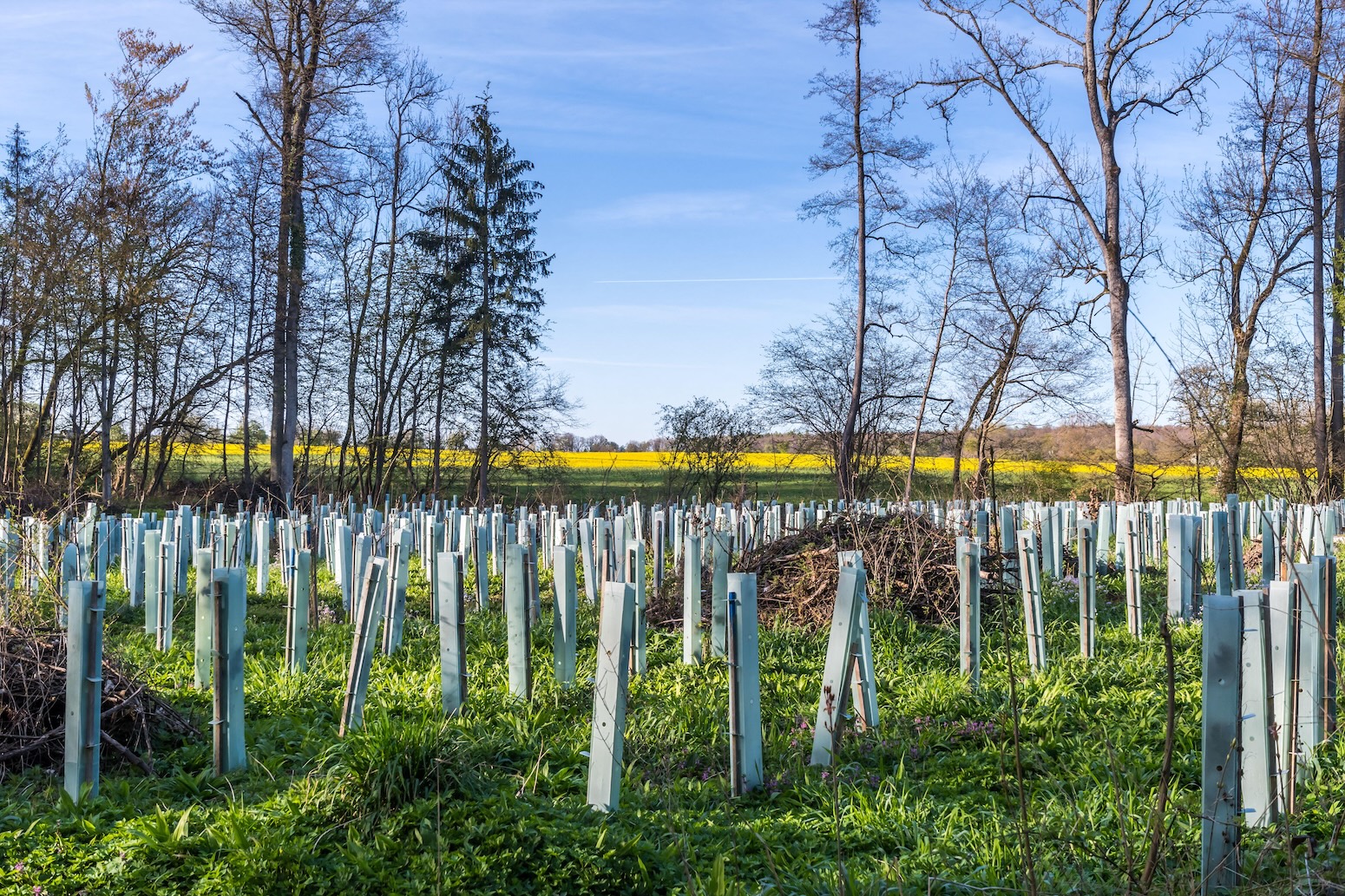
The technologies themselves span a spectrum from the conventional to the cutting-edge. Tree-planting, ecosystem restoration, and soil enrichment are already deployed globally and form the backbone of current efforts. Newer methods—direct air capture machines, enhanced weathering, and bioenergy with carbon capture—remain smaller-scale but rapidly advancing. The report defines CDR strictly: captured CO2 must come from the atmosphere itself, not from fossil sources; storage must lock carbon away for decades or longer; and the removal must result from deliberate human action beyond nature's unassisted processes.
This is where CDR's true value emerges. In the near term, it reduces net emissions. In the medium term, it counterbalances the "residual emissions" that cannot be eliminated—like methane from rice paddies—making net-zero achievable. In the long term, it could push the world into net-negative territory, actually lowering temperatures. This matters enormously: once global net-zero is reached, warming essentially stops. But if temperatures overshoot first, as current trends suggest, only sustained carbon removal can bring them back down to 1.5 degrees.
The report is careful to temper expectations. CDR is "a limited resource that will need to be used prudently," constrained by sustainability limits, storage availability, and the risk that stored carbon could leak back into the atmosphere. It is not a substitute for the deep emissions cuts that must happen now. But it is indispensable—a tool that transforms an impossible target into one within reach. The next five years will determine whether the world seizes this moment or lets it slip away.