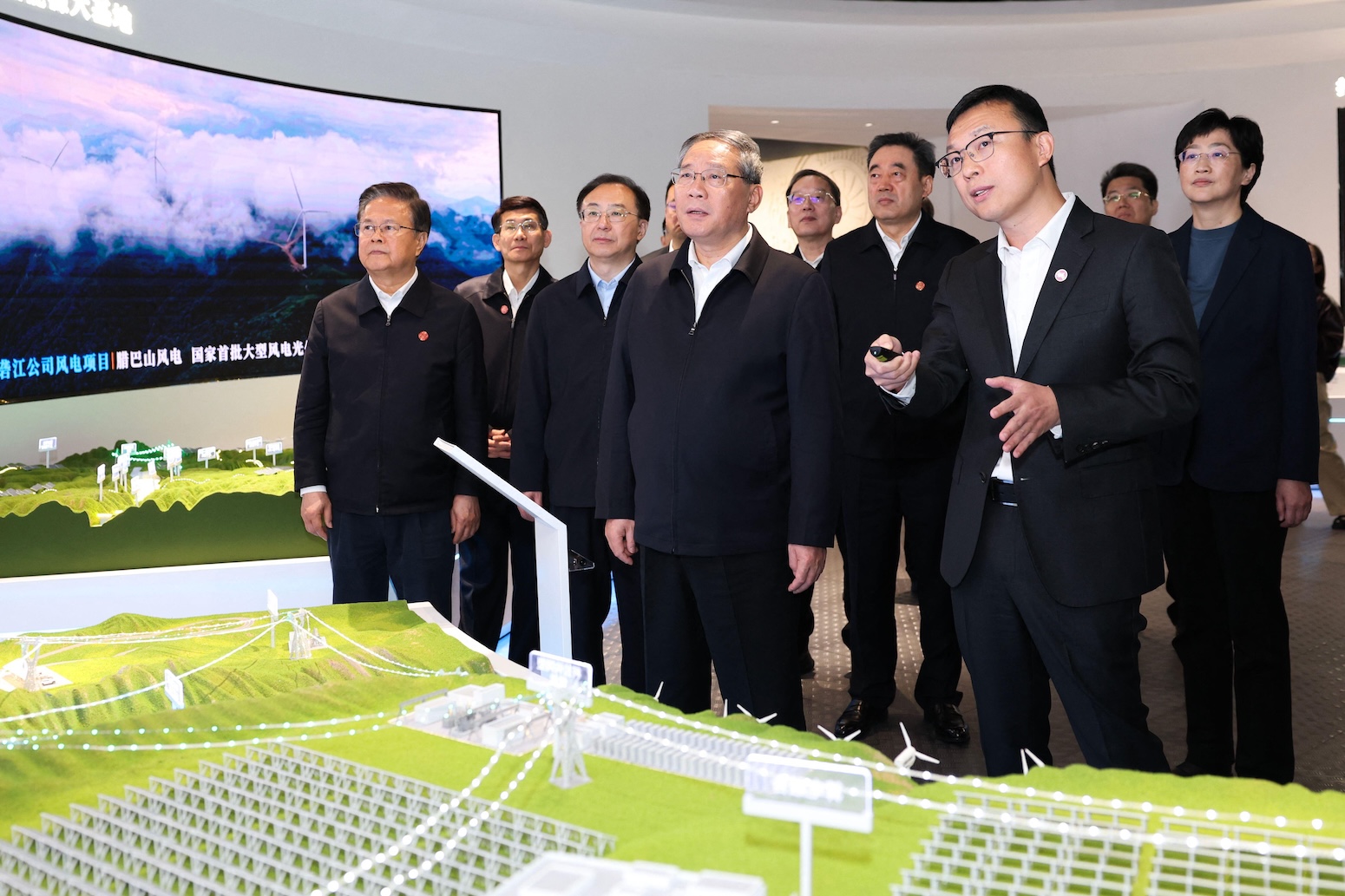
Zhejiang province is preparing to add 90 gigawatts of solar capacity by 2030 — a figure that alone exceeds the total solar power installed in Germany, Europe’s longtime leader in photovoltaics. This bold target is just one piece of a much larger puzzle: all 31 provincial-level governments in mainland China have now released their 15th five-year plans (2026–2030), each reinforcing the nation’s commitment to peak carbon emissions before 2030 and accelerate the clean energy transition. These regional blueprints don’t just echo Beijing’s climate ambitions — they translate them into concrete action, with local targets tied to the performance evaluations of top officials. The result is a mosaic of strategies shaped not only by geography but by economic structure and industrial priorities.
Solar energy appears in every provincial plan, but how it’s pursued varies widely. Shaanxi aims to build wind and solar bases in its northern regions while piloting "solar+" models — such as combining solar panels with tea plantations or forests — in the south. Coastal provinces are eyeing offshore solar farms, while inland powerhouses like Inner Mongolia, Gansu, and Xinjiang focus on vast desert-based wind and solar installations. At the same time, 19 provinces now have plans to recycle old solar panels and wind turbines — a significant shift from the previous five-year cycle, when the issue barely registered. Inner Mongolia, Jiangsu, Jiangxi, and Qinghai are even establishing dedicated recycling systems, anticipating the growing wave of decommissioned renewable infrastructure.
The push for new-energy vehicles (NEVs) is equally ambitious. Around 15 provinces have set targets to boost NEV adoption, with Jilin aiming for more than 50% of new car sales to be electric by 2030 — a goal it’s already nearly halfway to achieving, with current uptake at 47%. Despite central government concerns about overcapacity, more than 20 provinces plan to expand their NEV industries, aiming to generate hundreds of billions, even trillions, of yuan in economic value. Manufacturing hubs like Shanghai and Chongqing are doubling down, seeing the sector as both an industrial prize and a climate imperative.
Twenty-four provinces are also advancing "direct connection" models, where renewable energy generators supply clean power directly to industrial users via dedicated transmission lines — a system that could dramatically increase clean energy utilization. Meanwhile, offshore wind and nuclear power are mentioned in 11 and 12 provincial plans respectively, mostly along the coast, reflecting both technical suitability and regional development strategies.
As Anders Hove of the Oxford Institute for Energy Studies notes, these differences go beyond natural resources. They reflect the economic capabilities and industrial structures of each region. Yet together, they form a coherent national trajectory — one where climate action is no longer a distant policy goal, but a driver of local development, innovation, and accountability. The energy transition in China is not just being planned in Beijing. It’s being built, province by province.