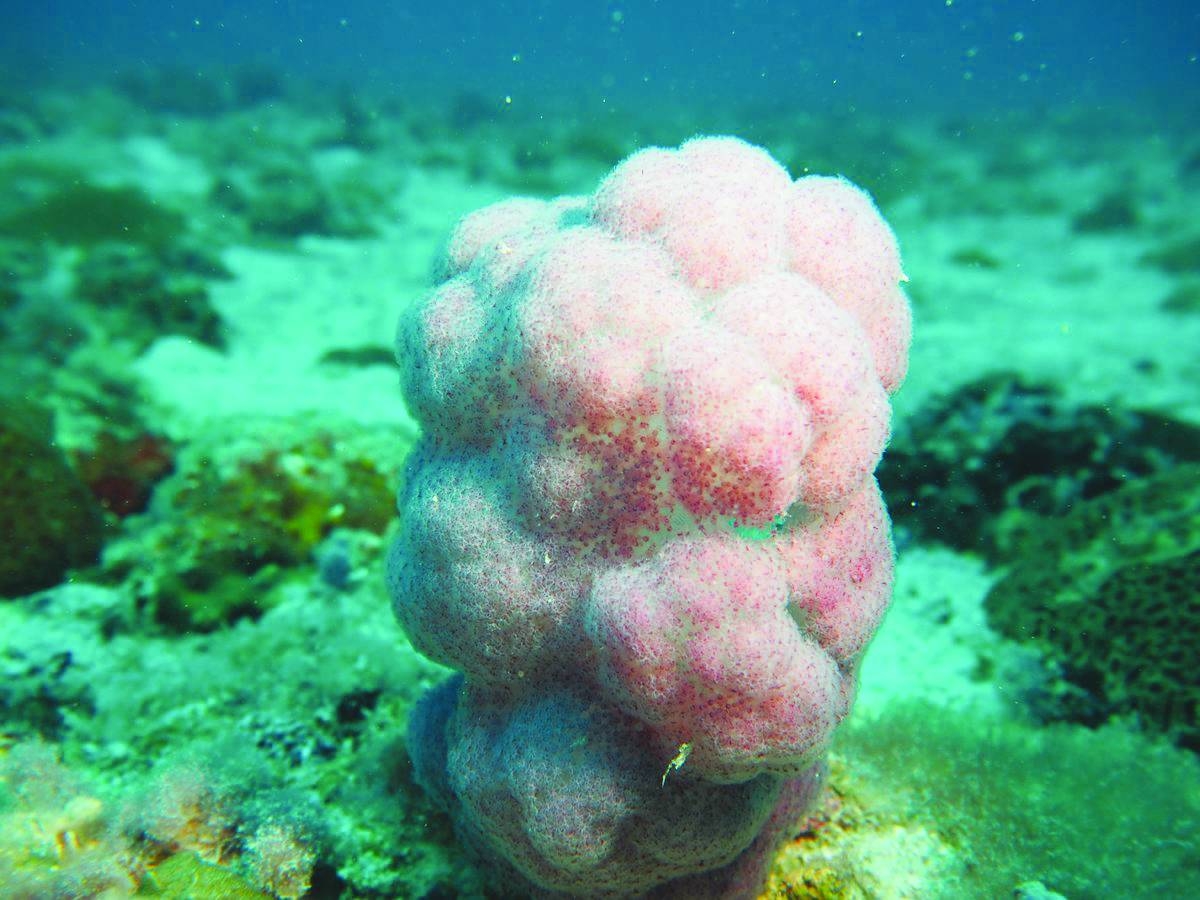
Between 2024 and 2026, marine research teams fanned across Qatari waters with one mission: to listen to what the coral was trying to tell them. What they discovered was both humbling and hopeful—49 species of hard and soft corals thriving across 22 marine sites, a reminder that beneath the Gulf's surface lies an ecosystem of unexpected richness that deserves protection.
Qatar's Ministry of Environment and Climate Change is proving that coral reefs need not be passive victims of climate change and human pressure. The ministry marked World Coral Reef Day on June 1 by announcing significant progress on its national project for coral reef protection and restoration, a science-driven initiative that treats reef conservation as a matter of national priority. Assistant Undersecretary for Protection and Natural Reserves Dr Ibrahim al-Maslamani framed the work plainly: "The project represents a national effort grounded in scientific monitoring and habitat restoration," aligned with Qatar's broader sustainability goals and its commitment to building ecosystem resilience against the mounting pressures of climate change.
The surveys that mapped Qatar's coral landscape have become the foundation for something bigger. Research teams didn't just count species—they identified the healthiest marine sites to serve as reference areas for future conservation and restoration programmes, turning raw data into actionable strategy. This is where the work gets tangible: active restoration efforts now include coral transplantation from healthy sites to affected areas, rehabilitation of reef structures, and deployment of modern marine engineering techniques designed to support coral growth and stability.
The ecological case for this work speaks for itself. Coral reefs are far more than beautiful backdrops. They support extraordinary marine biodiversity, sustain fish stocks that feed communities, protect coastlines from erosion and storm surge, and fuel eco-tourism, research, education, and environmental awareness. In Qatar's context, where marine resources are central to both livelihoods and identity, reef health is not a luxury concern—it is foundational.
What sets this project apart is its commitment to building lasting capacity. The ministry has incorporated specialized training programmes for divers and volunteers, strengthening the national workforce in marine conservation, monitoring, and restoration practices. This isn't work being outsourced; it's being embedded into the fabric of Qatari environmental expertise. Officials emphasized that continued scientific monitoring and data collection are essential for informed environmental decision-making and the long-term protection of marine ecosystems.
The initiative aligns with Qatar's international environmental commitments, particularly United Nations Sustainable Development Goal 14 on life below water, and supports global ocean science initiatives for sustainable development. In a moment when coral reefs worldwide face unprecedented stress, Qatar's methodical, science-based approach offers a model of what national commitment looks like—not grand promises, but disciplined fieldwork, careful monitoring, strategic restoration, and the will to see it through.
The message from Qatari waters is clear: coral reefs can recover, and with sustained effort, the biodiversity and ecological balance they provide can be restored and protected for generations to come.