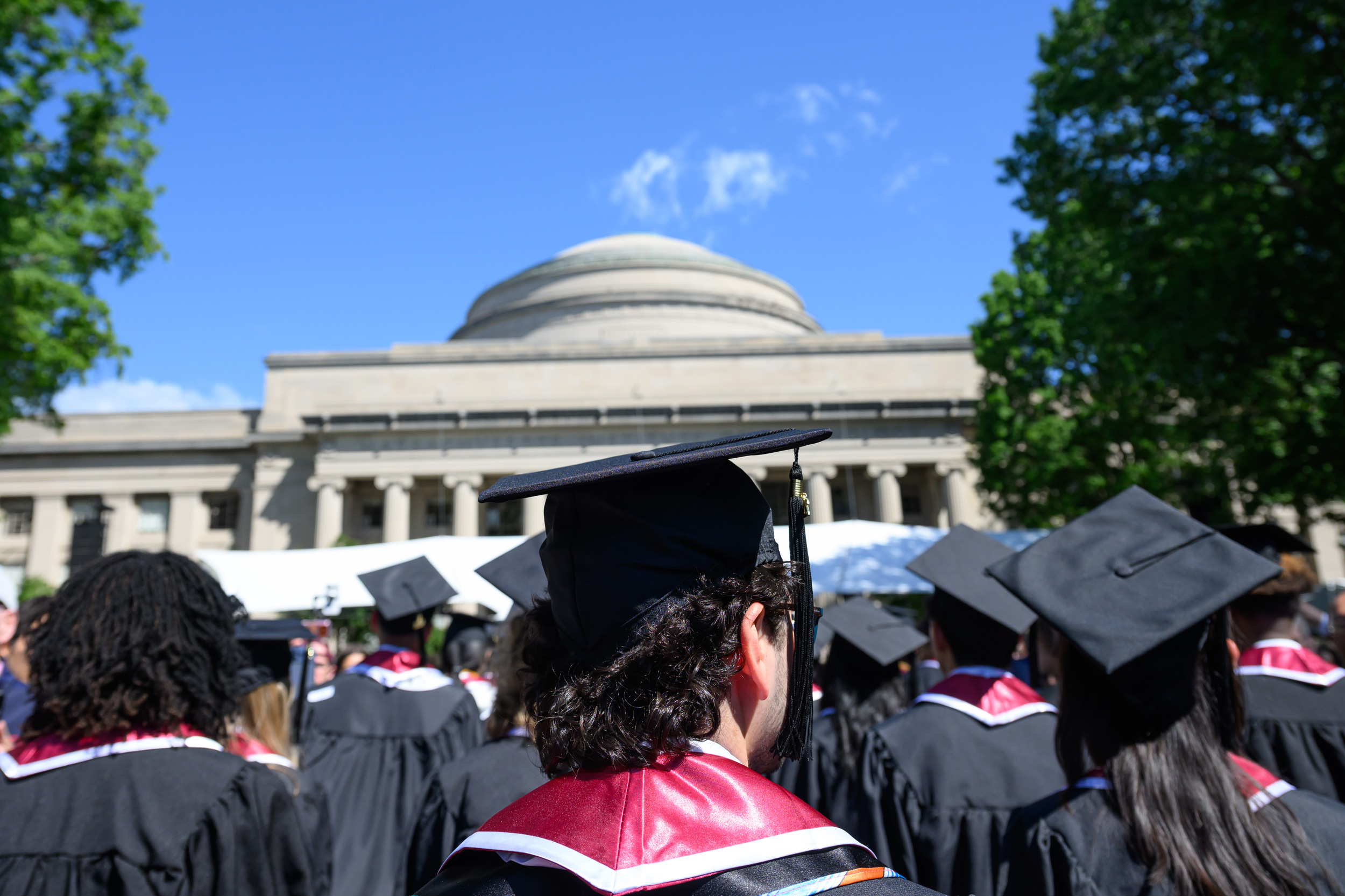
On a quiet morning in Cambridge, as students in orange MIT hoodies crisscross the Infinite Corridor between labs and lectures, the Institute once again found itself at the pinnacle of global academia—named the world’s No. 1 university by QS for the 15th year in a row. This isn’t just a streak; it’s a statement. In an era defined by technological transformation and global uncertainty, MIT continues to set the standard for what a university can achieve. The QS World University Rankings, released today by Quacquarelli Symonds, measure excellence across six key pillars: academic reputation, employer perception, research impact, faculty-student ratios, and international diversity among both staff and students. MIT not only leads in the overall ranking but dominates across disciplines, claiming the top spot in 12 of the 46 subject areas evaluated—a testament to its depth and breadth of innovation.
Among those 12 No. 1 subject rankings are fields shaping the future: Computer Science and Information Systems, Data Science and Artificial Intelligence, and Electrical and Electronic Engineering. The Institute also leads in foundational sciences like Physics and Astronomy, Mathematics, and Materials Science, while topping the broader Engineering and Technology category—a massive grouping that encompasses dozens of disciplines worldwide. Even in areas where it doesn’t rank first, MIT’s presence is formidable: it placed second in seven additional subjects, including Economics and Econometrics, Biological Sciences, and Architecture/Built Environment. This kind of consistency across such a wide spectrum is rare, if not unmatched, in higher education.
What makes this achievement even more remarkable is the global context. With over 1,500 institutions evaluated across 100 countries, the QS ranking reflects not just national prestige but international influence—how ideas born in one lab can ripple across continents. MIT’s strength in employer reputation speaks to its graduates’ impact in industries from Silicon Valley to Singapore, while its citations per faculty highlight the global reach of its research. Whether it’s advancing quantum computing at the MIT.nano facility or pioneering climate-resilient materials at the Department of Civil and Environmental Engineering, the Institute remains a hub where theory meets transformation.
For students in lecture halls or researchers calibrating microscopes at 2 a.m., the ranking is less a trophy than a reaffirmation. It signals that the relentless pursuit of solutions—whether to energy scarcity, algorithmic bias, or sustainable design—is not only valued but leading the world. As other institutions strive to replicate its model, MIT continues forward, not resting on legacy but building the next 15 years—one discovery at a time.