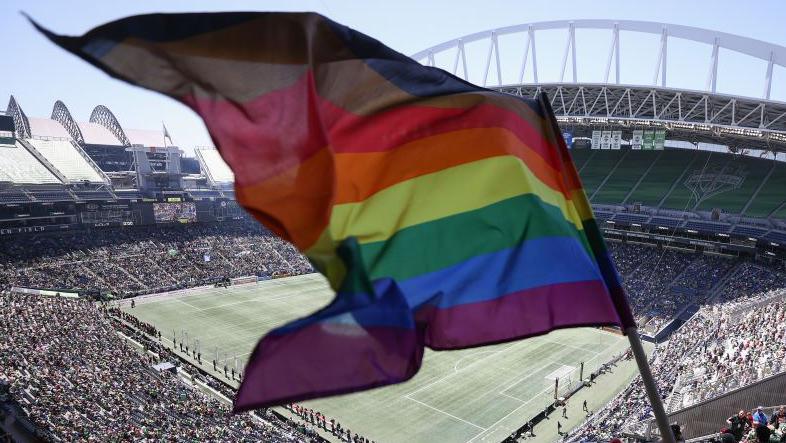
When Egypt and Iran take the pitch in Seattle on Saturday, rainbow flags will fly inside the stadium — not as a provocation, but as a reflection of the city itself. The match has been officially designated a Pride Match, falling on the Friday before Pride Weekend, and local organizers have no intention of changing their plans despite complaints from both nations, where homosexuality remains criminalized.
The timing was never deliberate, organizers insist. Pride Weekend had been calendared before the draw paired Egypt and Iran together in Group G. "The match is about Seattle, not Egypt or Iran," said Jess Fishlock, a Wales football legend who now plays for Seattle Reign FC and sits on the host committee. "Regardless of who is playing, we would be the same. It's such an important part of Seattle's identity and culture."
That identity was on full display at the city’s ‘Pride Match Day’ press briefing, where Hedda McLendon, from Seattle’s World Cup organising committee, spoke with quiet conviction about the decision to let the flags fly. “It might not be how you want to live or how things are in your country,” she told the BBC, “but this is something that makes us unique, and we want you to experience it and be curious.”
Curiosity rather than retreat. That ethos echoed through the fan zone, where Egyptian fans gathered days before the match to cheer on Mexico against Iran, their attention fixed on the standings. Makarius Demian, an Egyptian fan who says he supports gay rights, put it plainly: “Right now it’s about two teams trying to get to the next round. Pride match or no Pride match, that’s not what matters.” A few steps away, Ayman Almasri and Amani Abouammo were prepping their Koshari pop-up — a vegan Egyptian street food staple of lentils, chickpeas, and fried onions — to serve at the fan zone. They called the whole situation “awkward,” rooted in cultural misunderstanding, but they were here anyway, sharing a taste of home.
On the pitch, Egypt arrives with genuine momentum after beating New Zealand, while Iran has struggled with travel restrictions and preparation time — issues shaped as much by politics as by sport. Both teams have deflected questions about the Pride designation, with Iran’s head coach Amir Ghalenoei offering only that he would not address “things that do not exist.”
But inside the stadium, FIFA’s stadium code of conduct will allow rainbow flags to be displayed. The governing body’s statement was unambiguous: “Fans of all sexual orientations and gender identities are welcome at matches and events.”
As both teams chase advancement in Group G, this match in Seattle has become something larger than football. It is a window into how cities like this one hold space for their values while remaining open to the world. The rainbow flags will flutter. The Koshari will be served. And somewhere in the space between those two things, something like understanding might just take root.