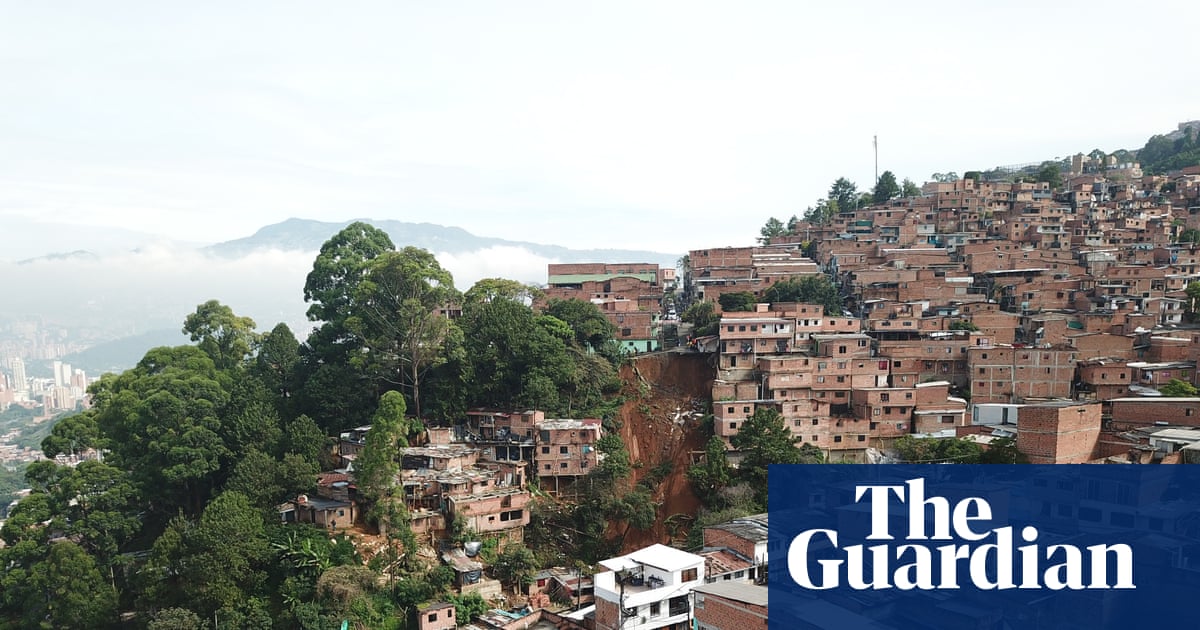
On a steep hillside in Golondrinas, a neighborhood in Medellín’s Comuna 8, Róbinson Velásquez Cartagena gestures proudly toward two towering rainwater tanks beside his home—his own design, built to catch runoff from the corrugated metal roof and store it for flushing toilets and washing clothes. This simple yet powerful system is more than a household upgrade; it’s a frontline defense against the landslides and floods that have long threatened this densely packed informal settlement of 150,000 people. In a city where unstable slopes and intense rains have led to disaster—like the 1987 landslide that killed 500—Comuna 8’s community-led climate resilience plan is now a beacon of hope and action.
Born from years of grassroots collaboration, the Local Agreement for Inclusive Climate Action was formally launched in August 2023 by the housing and habitat committee of Comuna 8, Medellín’s disaster risk management department (DAGRD), and Heriot-Watt University. What began as a disaster-management initiative evolved into a comprehensive climate adaptation strategy, featuring eight nature-based solutions that are both affordable and replicable. These include rainwater harvesting systems like Velásquez Cartagena’s, reforestation efforts in vulnerable ravines, and the creation of eco-gardens and agroforestry plots. The plan also maps climate risks, past disasters, and stakeholder responsibilities—turning local knowledge into actionable urban policy.
One of the most tangible projects is a 9-meter by 3-meter community tree nursery in El Pacifico, managed by Nancy Elena Quiros Correa. “The nursery will prevent rocks from falling, soak up water when it rains, and increase biodiversity,” she says, standing before a yellow-painted wall that once collapsed under falling debris in 2011. She’s witnessed Medellín’s climate shift firsthand: hotter temperatures, heavier rains, and more frequent floods, like the one in 2020 that damaged homes nearby. Now, saplings grown in her nursery will be planted on unstable slopes to anchor the soil and reduce future risks.
Other pilot projects include a rainwater-harvesting system at a local community center and an ecological restoration garden aimed at curbing both erosion and illegal land invasions—a persistent issue where armed groups sell land to settlers. “The garden will restore nature and stabilise the land,” says Harry Smith, professor of global urbanism at Heriot-Watt University, who has worked with the community for a decade. “They didn’t wait for the municipality. They hit the ground running.”
Now, Velásquez Cartagena, who is pursuing a master’s in environmental engineering, is helping translate the complex plan into an illustrated, easy-to-share guide for wider distribution. As Medellín looks to scale similar strategies across its 21 comunas, Comuna 8 proves that when communities lead, resilience grows from the ground up.