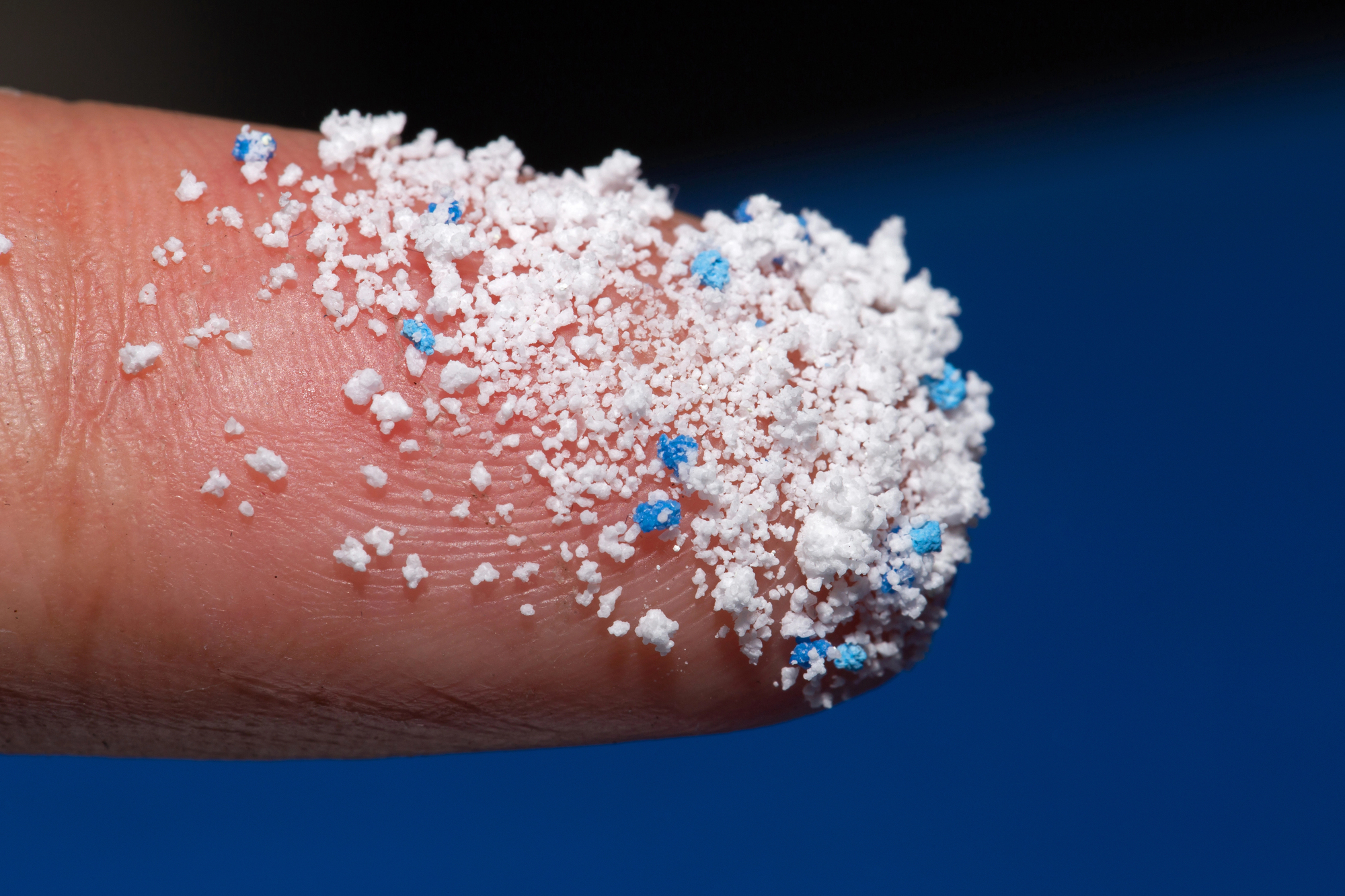
If you drank a liter of bottled water today, you may have swallowed hundreds of thousands of tiny plastic particles — so small they can slip past your body's natural defenses. That's what scientists at Columbia University and Rutgers found when they tested bottled water in a landmark study. The good news? There are simple, practical things you can do about it.
Microplastics — plastic fragments smaller than five millimeters, some smaller than a grain of salt — have been found inside human bodies. A 2025 study published in Nature Medicine detected microplastics in brain tissue at higher levels than in the liver or kidneys. Researchers have also found them in human blood, lungs, placentas, and reproductive organs. This is not an emergency alarm — scientists are careful to say that finding plastic in the body does not yet prove it causes disease. But the evidence is building, and early research points to concerns like inflammation and hormone disruption that deserve attention.
The exposure comes from everyday places. Heating plastic is one of the biggest culprits. Microwaving leftovers in plastic containers, reheating food in old containers, or leaving a plastic water bottle in a hot car can释放 (release) more particles into your food and drink. Takeaway coffee cups often have a plastic lining hidden inside their paper shell. Synthetic fabrics are another major source — the International Union for Conservation of Nature estimates they account for roughly 35 percent of microplastics entering oceans. Every time you wash a polyester jacket or nylon leggings, thousands of tiny fibers shed into the water. Since most people spend close to 90 percent of their time indoors, household dust carries these particles through the air you breathe every day.
The encouraging part: small changes add up. You don't need a complete life overhaul — just some gradual swaps that reduce how much plastic touches your food, water, and air. Switch to glass or stainless steel containers when your plastic ones wear out; you don't have to throw them away tomorrow. Choose a reusable water bottle paired with a home water filter instead of buying bottled water — it costs less over time and removes a big chunk of daily exposure. When buying new clothes, reach for organic cotton, linen, or wool over polyester and nylon. Wash synthetic fabrics less often, use cold water, and consider a microfiber-catching laundry bag, which traps fibers before they escape down the drain.
For indoor air, simple habits help: open windows when you can, take shoes off at the door, vacuum regularly with a HEPA-filter machine, and cut down on synthetic materials in your home. Loose-leaf tea avoids the plastic mesh in most tea bags. Choosing fresher, less packaged foods when possible is another small but meaningful move.
Widespread exposure to microplastics is real and documented. So is the ability to reduce it. The habits that help are already available, affordable, and easy to start today.