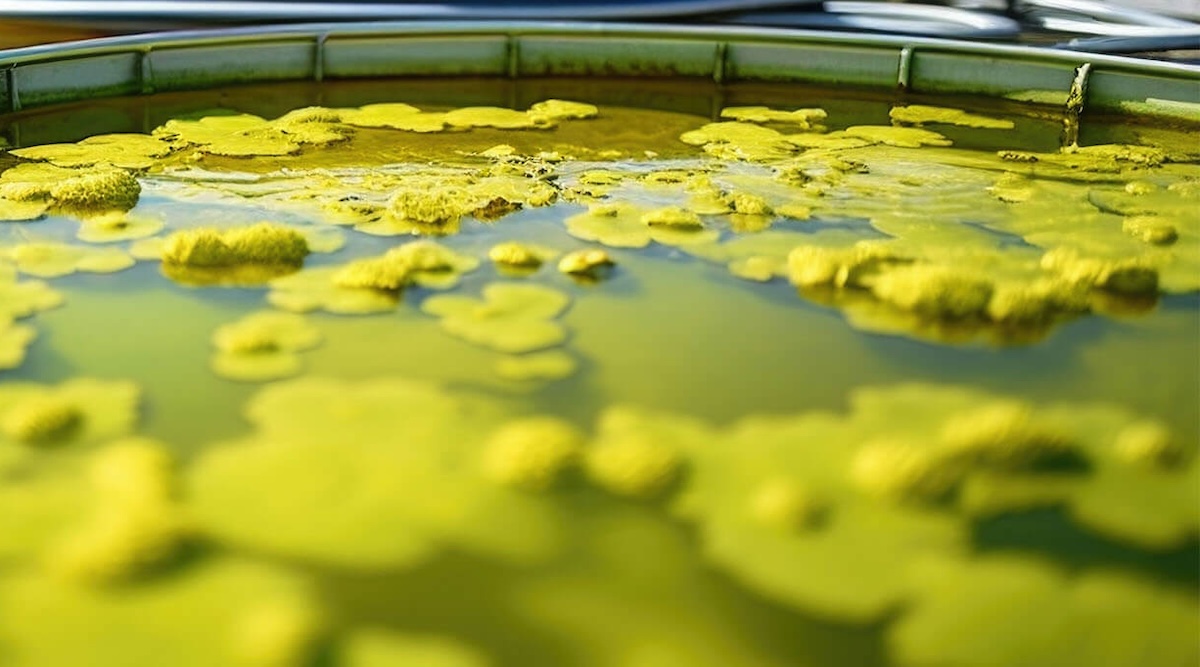
The Reflecting Pool in Washington, D.C., has become an unexpected site for algae cultivation research, with the project falling under the "American Energy Dominance" initiative that supports domestically cultivated biomass. The process involves a novel approach: applying a layer of fresh paint to the cultivation tank, filling it with water, and then applying hydrogen peroxide to create a peeling effect. This technique appears designed to eliminate cyanobacteria (blue-green algae) while allowing beneficial green algae to thrive and reproduce among the decaying matter—though researchers note that the precise details may involve proprietary methods. Security has been tightened around the perimeter, though officials have not commented publicly on the project's scope or objectives.
The research comes as the algae biofuel field continues to push forward despite persistent commercial challenges. A major setback occurred in 2023 when ExxonMobil exited the sector after a long-standing partnership with Synthetic Genomics (now known as Viridos), which once invested substantial resources into algae-to-fuel technology. Viridos subsequently secured $25 million in Series A funding from Breakthrough Energy Ventures, with participation from Chevron and United Airlines' Sustainable Flight Fund. Although Viridos filed for bankruptcy last year, international research momentum has not stalled.
Last October, a multinational team from Hawaii and Poland published a comprehensive review in Plant Biotechnology Journal examining microalgae strains including Chlamydomonas reinhardtii, Nannochloropsis spp., and Phaeodactylum tricornutum. The researchers acknowledged that metabolic engineering in microalgae "remains in its infancy" compared to model organisms like E. coli, but pointed to emerging tools including genome-scale metabolic modeling and new biosynthetic approaches that could accelerate progress. The team noted that microalgae remain attractive for biofuel applications due to their high oil content and rapid reproduction rates, keeping hope alive for eventual commercial viability. As research tools mature and international collaboration deepens, scientists working in the field suggest the long-sought pathway from algae to fuel remains an active pursuit rather than a abandoned cause.