When Princess Basma bint Ali began transforming a degraded stretch of land into Jordan’s first botanical garden in Tal al-Rumman, local herder Jameel Mesallam Al Megardbi watched with suspicion. His goats depended on the open rangelands north of Amman, and he feared the new sanctuary would lock him out. Two decades later, the opposite has happened—the Royal Botanic Garden has become a lifeline. Once-bare hills now bloom with thyme, narcissus, and the rare Black Iris, Jordan’s endangered national flower. What began as a conservation project has blossomed into a model of coexistence, where ecological restoration and community livelihoods grow side by side.
Jordan, like much of West Asia, faces extreme land and water scarcity. Decades of overgrazing and drought have pushed ecosystems to the brink, fueling desertification and food insecurity. But in the 180-hectare garden, a bold experiment unfolded: grazing was suspended from 2008 to 2011, allowing scientists to study natural recovery. The results were striking. Biomass production surged by 30% annually in the first three years and has since climbed to an estimated 250 tonnes in 2024. With data in hand, the garden introduced a rotational grazing system—herders now bring their flocks in for up to 120 days each summer and autumn, when pastures elsewhere are exhausted.
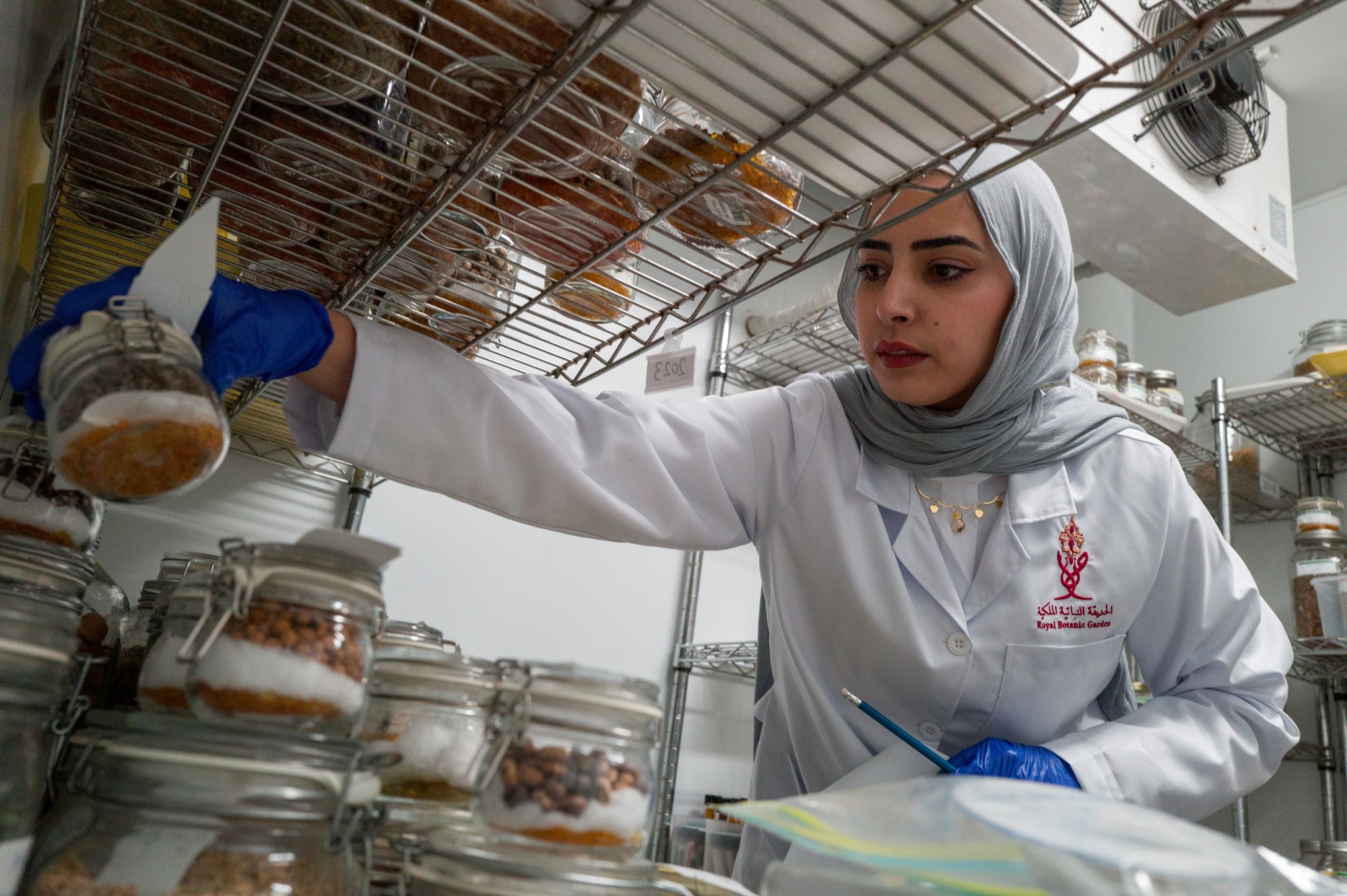
The benefits extend far beyond greener hills. Native plant species have rebounded from 436 in 2006 to over 600 today, including 22 endangered varieties. Marwa Nasrallah, seed bank coordinator, safeguards this revival one seed at a time, preserving Jordan’s botanical heritage. But the garden also nurtures people. It has trained herders in better breeding practices—like isolating rams before mating season—boosting pregnancy rates. Two veterinary assistants now serve the region, and vaccination programs keep flocks healthy. Women have joined beekeeping, mushroom farming, and handicraft workshops, while others find jobs within the garden itself.
From just five families at the start, more than 50 now actively participate. Herders like Fayes Abu Jarar have seen lost plants return and pastures thrive. They, in turn, protect the land from illegal grazing and tree-cutting, creating a shared stewardship. The UN Environment Programme has recognized the initiative as a World Restoration Flagship—a rare honor for a project proving that ecological healing and human well-being can grow together.
As climate pressures mount across the region, Jordan’s reflowering rangelands offer a living blueprint: when communities lead restoration, the land—and the people—can flourish anew.