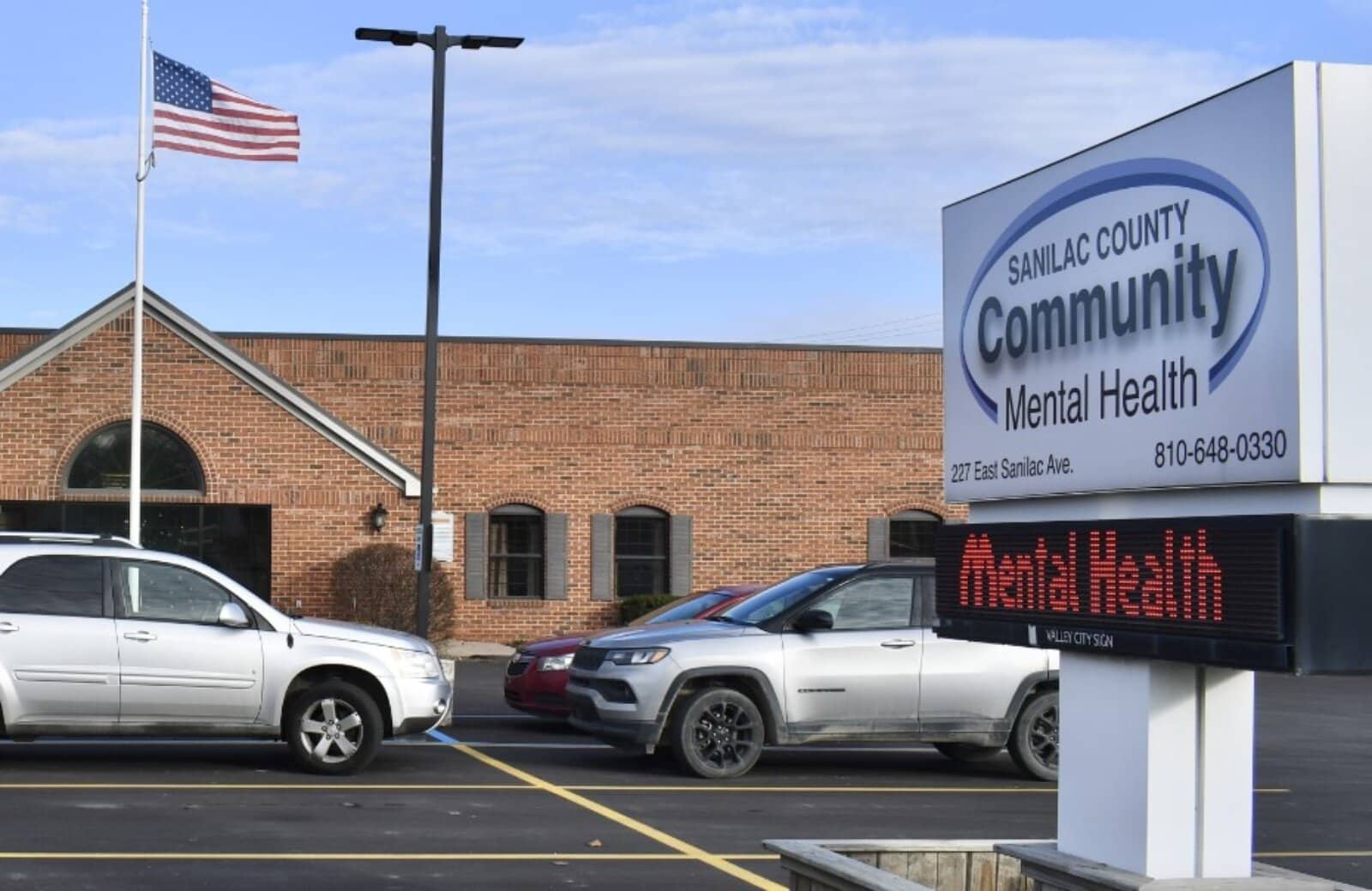
Wil Morris was on a lunch break with judges in Sanilac County, Michigan, when his phone rang—it was the sheriff, concerned about a teenager who’d been shot while playing with a gun. Was this a crime? Or the start of a mental health crisis? That call, Morris says, is proof the system is working. Since 2022, Sanilac County Community Mental Health (CMH) has equipped law enforcement, emergency medical services, and hospital staff with iPads, enabling real-time video consultations with mental health professionals. In a rural county where mental health resources are scarce and response times can be long, the technology is more than a tool—it’s a bridge. “It is 24/7 accessibility,” says Morris, the CMH’s CEO. “Collaboration with law enforcement and courts is crucial for effective mental health services.”
Sanilac County, with a population of around 40,000 and vast stretches of farmland, faces the same mental health care gaps common in rural America. But instead of waiting for people to come to clinics, the CMH has taken services to them—via iPad, through relationships, and across jurisdictional lines. When police respond to a crisis, they can now connect the person directly with a therapist. EMS crews use the devices to calm trauma victims on the roadside. Hospital staff conduct virtual rechecks on patients awaiting psychiatric beds, saving clinicians hours of driving across the county. “Driving all the way over to the hospital to do an eyes-on for a 15-minute conversation loses our staff an hour, potentially two hours,” Morris explains. Now, that time is spent finding solutions.
But the real innovation isn’t the iPad—it’s the trust behind it. Over the years, Morris has built monthly lunches with judges, quarterly meetings with police chiefs, and community leadership training that includes city managers, health officers, and even the local rescue mission director. “We get to know each other better, and it really opens the lines of communication,” he says. That network allows someone to call and say, “My neighbor, Tom, needs help,” even if Tom isn’t ready to ask himself. In areas with dead zones and limited internet, those human connections are the backup system.
Morris emphasizes a critical distinction: a person committing a crime who later becomes depressed is not the same as someone in active psychosis, hearing voices, or battling severe depression. Early intervention, he insists, prevents incarceration from becoming another trauma. “Incarceration is just another form of trauma for those folks. It will make their symptoms worse, and it will be harder to treat.” By training officers to recognize the difference, the program steers people toward care, not cells.
The initiative has earned goodwill, especially during leadership transitions in 2022 and 2023, when new police chiefs and a new sheriff took office. The iPads became a symbol of partnership. And while technology helps, Morris knows its limits. “Those collaborations help us keep tabs,” he says. “We wait for him to be ready to come for help.” In rural mental health, progress isn’t always measured in cures—but in connections held, calls returned, and doors left open.