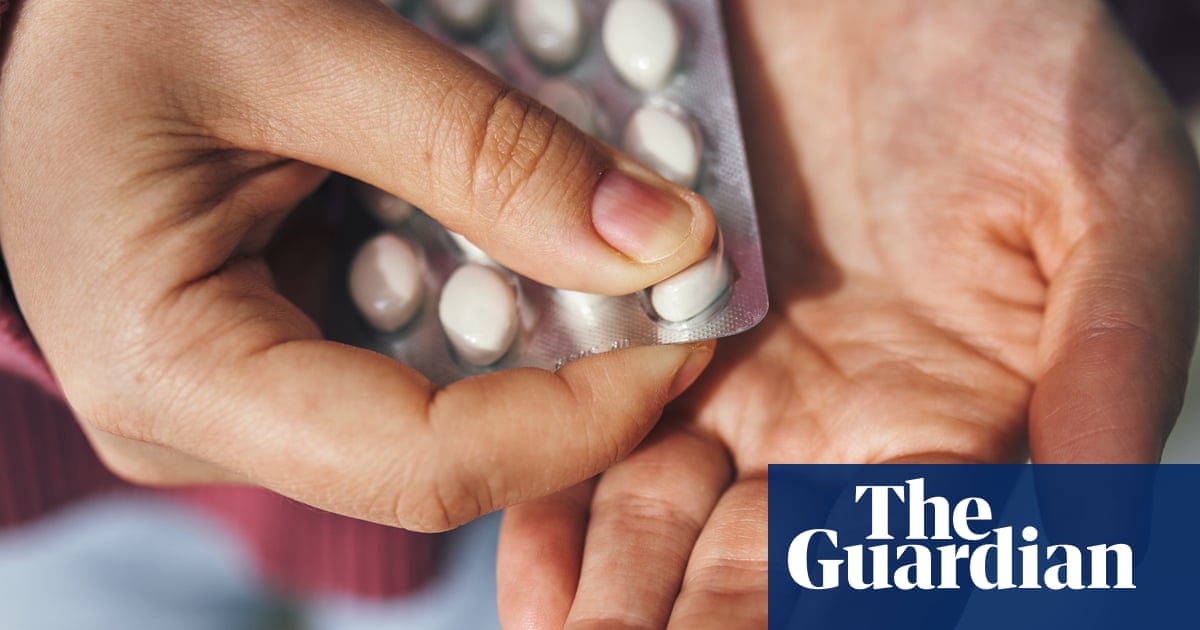
At the 2026 American Society of Clinical Oncology annual meeting in Chicago, 40,000 health professionals gathered to hear about a quiet revolution in cancer treatment—one tablet at a time.
The ASCO conference, the world's largest gathering of cancer researchers and doctors, revealed a series of breakthrough drugs that are fundamentally changing what's possible for patients once considered out of options. The stakes couldn't be higher: cancer remains one of humanity's most persistent killers, but the discoveries shared across more than 200 sessions suggest that the tide is turning in meaningful ways.
The experimental tablet GRWD5769 exemplifies this shift. In a trial spanning the UK, France, Spain and Australia, researchers found that the drug could shrink tumours by at least 30% in six of the world's most common cancers—cervical, bladder, liver, bowel, lung and head and neck cancers. What makes this remarkable is who benefited: all the patients had previously failed to respond to treatment, and most had no options left when they enrolled. The drug works by removing what scientists call "invisibility cloaks" from tumour cells, exposing them to the immune system so that immunotherapy drugs like cemiplimab can finally detect and destroy them. Of 83 patients given GRWD5769 alongside cemiplimab, 26 saw tumours shrink, with 15 achieving reductions of at least 30%.
"For a drug that is given as a tablet, this is very impressive," said Prof Fiona Thistlethwaite, the trial's principal investigator from the Christie NHS foundation trust in Manchester, England. "It's a new drug with a new mechanism that clearly helps immunotherapy perform more effectively."
But the breakthrough that drew a standing ovation in Chicago belongs to a different disease entirely. Pancreatic cancer, the world's deadliest common cancer, has long resisted treatment. The new pill daraxonrasib doubled survival time in a 500-patient trial, with patients living an average of 13.2 months compared with 6.6 to 6.7 months on chemotherapy—and with fewer side effects. The discovery, led by the Dana-Farber Cancer Institute in Boston, was so significant that Dr Rachna Shroff, an ASCO expert in gastrointestinal cancers who was not involved in the study, said she wept when she first read the results. "We are seeing unprecedented survival," she said.
The conference also highlighted mezigdomide, a new treatment that, when added to existing therapies for multiple myeloma, an incurable blood cancer, helped patients live more than twice as long without their disease progressing. The drug works by attaching to specific proteins and degrading the cancer-promoting molecules cancer cells need to survive, while simultaneously stimulating the immune system.
What ties these discoveries together is a fundamental shift in strategy: rather than simply attacking cancer cells directly, these new drugs are either removing the camouflage cancer uses to hide from the immune system or triggering the body's own defences to do the work. It's a more elegant approach, one that respects the complexity of the disease while offering hope to patients who had run out of it. The conference made clear that cancer treatment is no longer a one-size-fits-all battlefield. It's becoming precise, personalized, and—for the first time in decades—genuinely transformative for some of the world's deadliest cancers.