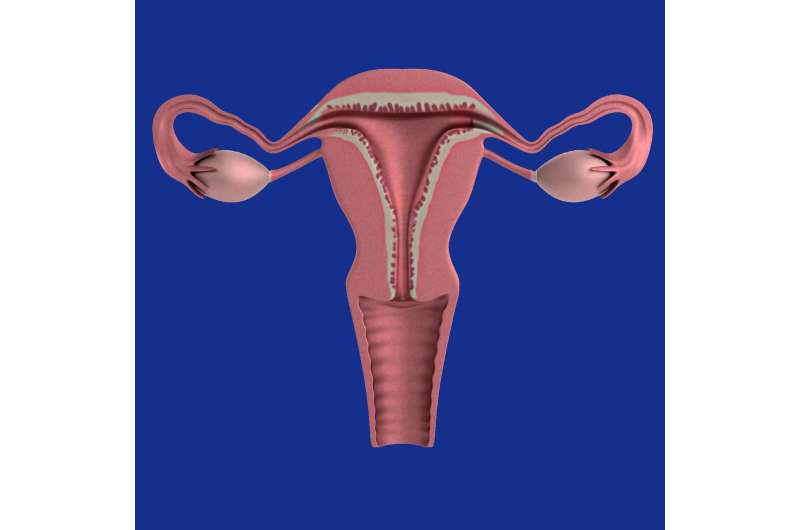
After a decade of conversations with patients, doctors, and researchers across continents, an international team has officially renamed one of the world's most misunderstood conditions—and the shift could transform how millions of people understand their own bodies. Polycystic ovary syndrome, long known as PCOS, is now polyendocrine metabolic ovarian syndrome, or PMOS, a name announced formally in The Lancet that finally reflects what the condition actually is: a systemic disorder affecting hormones, metabolism, mental health, skin, and reproduction, not primarily a problem with the ovaries.
The renaming matters because names shape understanding. For decades, the misleading title of PCOS left patients, families, and even physicians confused about what they were dealing with. A 2015 study revealed that 85% of patients thought ovary cysts were the primary feature of the condition—a fundamental misunderstanding rooted in the old name. In reality, the ovaries contain only partially developed eggs that can resemble cysts, not abnormal growths. This confusion had real consequences: people went undiagnosed, received fragmented care from multiple providers, and faced unnecessary stigma and anxiety.
Dr. Melanie Cree, a pediatric endocrinologist at the University of Colorado Anschutz who led the effort, and her international team spent over a decade building consensus for change. The process began in 2015 when patients and health professionals globally called for a more accurate name. Over the following eight years, two rounds of global surveys gathered voices from over 14,000 participants spanning multiple regions and disciplines—from obstetrics and gynecology to endocrinology, pediatrics, dermatology, psychology, and nutrition science. Eighty-six percent of surveyed patients said they wanted the name changed, while doctors and health professionals overwhelming supported the shift, believing the benefits would far outweigh any risks.
The stakes are high. PMOS affects approximately one in eight women globally—over 170 million people—yet an estimated 70% of those affected don't know they have it. The condition doesn't announce itself neatly: signs and symptoms often start in the teenage years and can persist after menopause. Most people with PMOS have higher insulin levels than those without it, a metabolic imbalance that cascades into serious health consequences. A 2025 study of over 87,000 women in the United States found that more than 45% of those with PMOS had a metabolic disease diagnosis such as prediabetes, diabetes, high blood pressure, or high cholesterol—nearly double the rate among women without PMOS. Additionally, over 16% of those with PMOS experienced infertility compared to under 4% of those without.
The diagnostic delay has been another hidden cost. The average time to diagnosis takes more than a year and often requires visits to multiple providers, in part because the old name created confusion that rippled through the healthcare system itself. A clearer name promises to untangle that confusion—allowing teenagers experiencing irregular periods and skin problems to connect these symptoms to a larger metabolic picture, enabling primary care doctors to recognize patterns they might have missed, and helping people understand that what they're experiencing is not just an ovary problem but a whole-body condition requiring coordinated care.
The last two years of this 10-year journey involved formalizing the change with leading academic, clinical, and patient organizations. That work is now complete. The renaming represents a rare moment when patient voices helped reshape medical language itself—a shift that could mean earlier diagnoses, better-coordinated care, and millions of people finally understanding what's actually happening in their bodies.