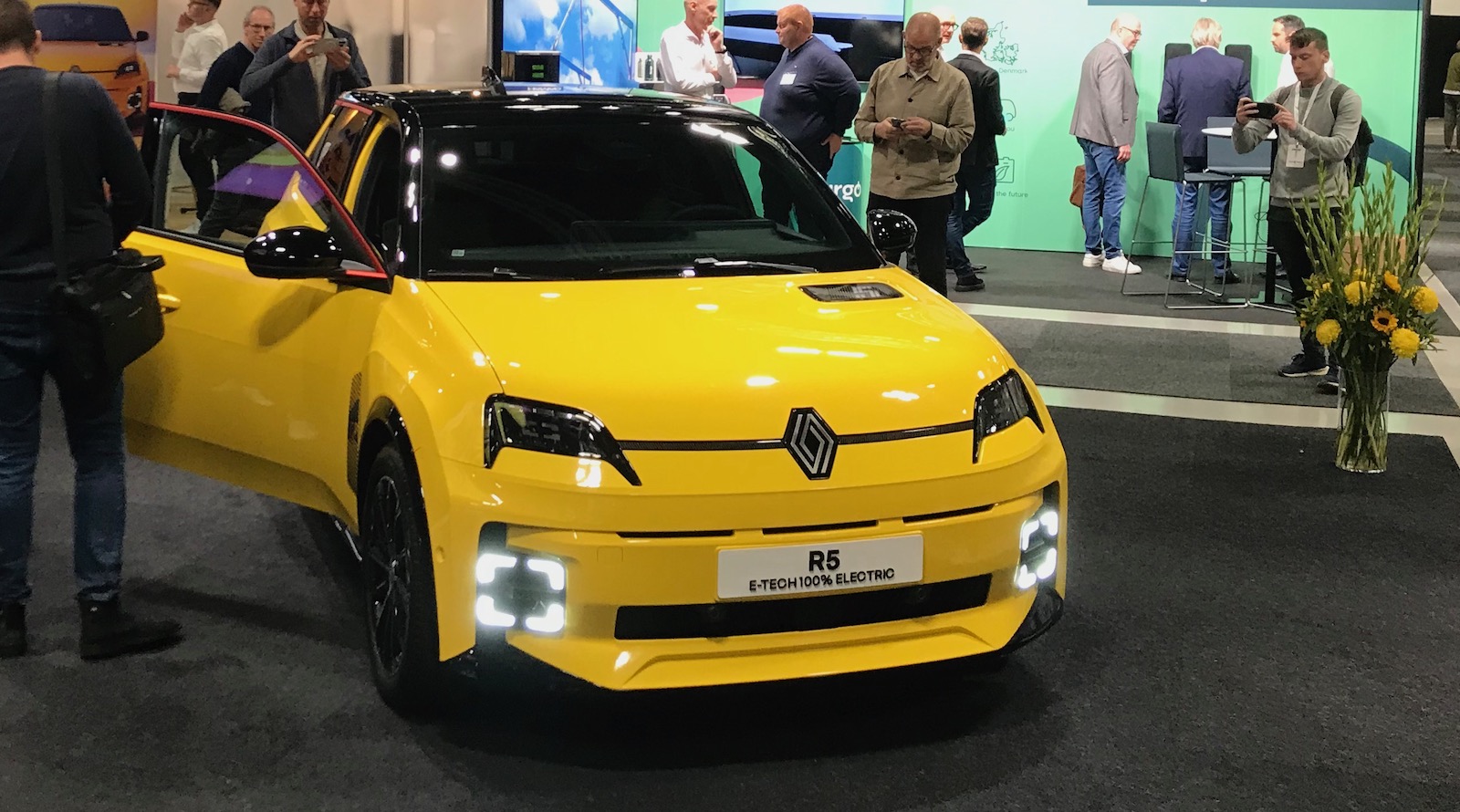
When gas prices in France and Germany began spiking in early 2024, Renault’s showrooms saw something unprecedented: a 50% surge in demand for electric vehicles almost overnight. The catalyst? The closure of the Strait of Hormuz due to escalating conflict involving Iran, which disrupted global oil flows and sent shockwaves through energy markets. As countries tapped into strategic reserves and fuel prices climbed, consumers made a decisive turn toward electric mobility. “We’re currently exceeding the capacity of our suppliers because of the war in Iran,” Renault CEO Francois Provost told Reuters, underscoring how geopolitics had unexpectedly accelerated the EV transition.
This shift matters not just for Renault, but for the future of European transportation. For years, automakers have bet on a gradual move to electric vehicles, paced by policy incentives and improving battery technology. But sudden energy insecurity has proven to be a powerful motivator—faster, in some ways, than any government mandate. In the first four months of 2024 alone, sales of fully electric cars across Europe jumped 29%, reaching nearly 1 million units. That momentum has forced Renault to rethink its production strategy. The company is now considering adding extra shifts at its EV factories in Douai and Maubeuge, France, and Novo Mesto, Slovenia, to keep up with demand that has outpaced even its most optimistic forecasts.
What makes this moment particularly striking is that Provost expects interest to remain strong even after the crisis passes. While he acknowledges that intense demand may “decrease” once fuel prices stabilize, he insists the broader shift to electric vehicles will continue to accelerate. Renault has already revised its internal sales assumptions, signaling a long-term recalibration rather than a short-term reaction. This isn’t just about replacing gas tanks with batteries—it’s about reimagining resilience in a volatile world.
Meanwhile, as other automakers like Stellantis open their idle factories to Chinese EV producers to bypass EU tariffs, Renault has drawn a firm line. Despite multiple offers, the company has refused to lease or sell any of its factory space, choosing instead to double down on its own electric future. In Douai, where the Renault 5 E-Tech is being built, the message is clear: this is Renault’s moment to lead.
The war in Iran has exposed the fragility of fossil fuel dependence. But in showrooms and factories across Europe, a quieter revolution is taking hold—one charged by urgency, powered by batteries, and driven by a new understanding of what energy security really means.