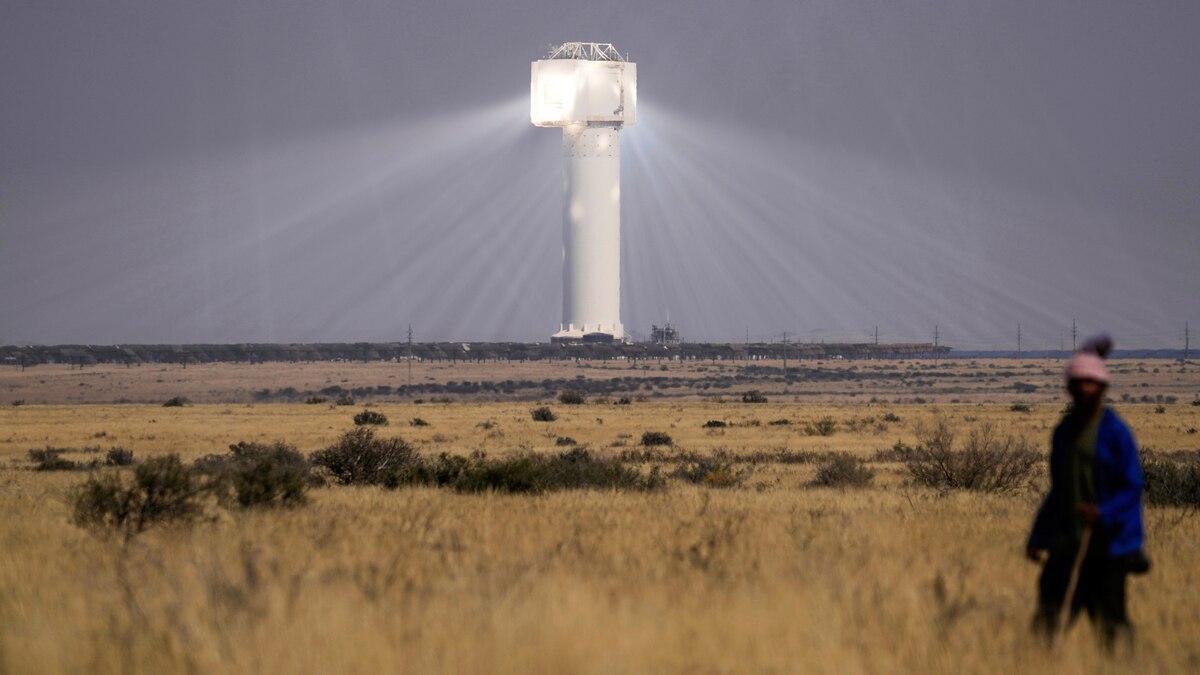
In Nairobi, Kenya, energy executives are watching Africa's power grid transform in real time—and the shift is unmistakable. Of the 322 energy projects announced across the continent in 2025, 173 are solar installations, a stunning reversal from the coal and mega-dam infrastructure that once dominated African development. The continent added a record 11.3 gigawatts of renewable energy capacity last year alone, triple the capacity added in 2024, signaling that Africa is no longer playing catch-up in the global energy transition. It is leading it.
The momentum reflects a fundamental economic truth that has quietly reshaped investment calculations across the continent. Utility-scale solar power costs have plummeted nearly 90 percent globally since 2010, while onshore wind has fallen around 70 percent. For African nations grappling with rising fuel import bills, unreliable grids, and the pressure to power rapid industrial growth, renewables now make unmistakable financial sense. They are faster to build, cheaper to deploy, and generate returns far more quickly than traditional infrastructure. A coal-fired plant takes up to 12 years to complete; a major hydropower project often requires a decade or more. Solar and battery projects, by contrast, move from signing to revenue-generating in 18 months.
The scale of this shift extends far beyond headline figures. Data from the Africa Solar Industry Association tracked 23.4 gigawatts of operational solar projects by the end of 2025. Yet Chinese export figures tell a more expansive story: 58.1 gigawatts of solar panels have been shipped to African countries since 2017, suggesting that distributed solar adoption—panels on mines, factories, telecom towers, and homes—is growing at a pace official statistics have yet to capture. At the Kamoa-Kakula copper complex in the Democratic Republic of Congo, CrossBoundary Energy moved a 233-megawatt solar and battery project from contract signing to more than 80 percent completion within a single year, supplying one of Africa's largest copper mines with cleaner, cheaper power.
South Africa, Egypt, and Ethiopia accounted for much of the renewable surge, though policy changes are now opening doors elsewhere. Ethiopia became the first country on the continent to ban imports of internal combustion engine vehicles, catalyzing electric vehicle adoption. South Africa relaxed restrictions on private power generation, unleashing a wave of industrial renewable projects from companies tired of grid failures and hungry for energy independence.
The economic advantage is compelling investors in ways traditional projects cannot match. Unlike fossil fuel plants vulnerable to global price shocks, solar and wind projects offer stable, predictable returns with lower country risk than mining or infrastructure ventures. Development finance institutions—the African Development Bank, the International Finance Corporation—are stepping in with concessional loans, guarantees, and risk-sharing structures to overcome the financing gaps that still exist. Borrowing costs for renewables in Africa remain up to triple those in advanced economies, but that spread is narrowing as portfolios mature and track records accumulate.
Yet Mugwe Manga, climate finance lead at FSD Kenya, captures the deeper truth beneath these numbers: "Africa is not on the periphery of the global energy transition, it is sitting at its center." The continent holds some of the world's richest solar and wind resources. Increasingly affordable technology means those resources can finally be harvested at scale. What remains, Manga notes, is neither a technology challenge nor a cost question. It is a matter of finance, political will, and bankable project pipelines. On those fronts, Africa is moving faster than most expected.