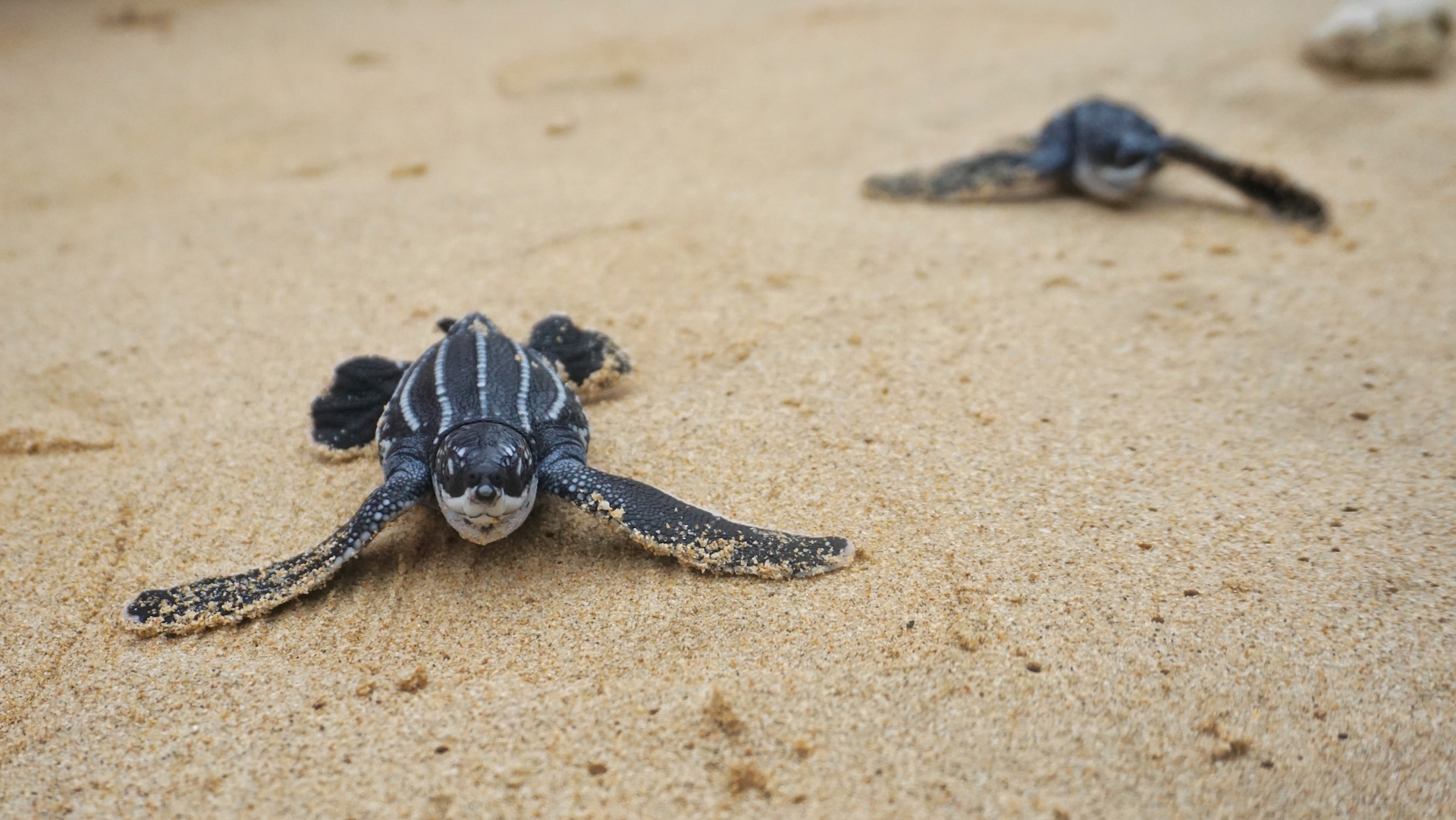
Forty-two leatherback sea turtle nests now dot the sandy shores of Boca Raton, a number so striking it left researchers momentarily speechless. For Dr. Jeanette Wyneken, a biological sciences professor and director of the FAU Marine Science Laboratory, the sight of so many nesting sites along a single stretch of South Florida coastline was nothing short of monumental. "It's huge," she told WFLX, and in that simple phrase lies a quiet triumph for a species still teetering on the edge of extinction.
Leatherbacks, the largest of all sea turtles and the only ones without a hard shell, have long struggled against the mounting pressures of human activity. Classified as endangered, they face deadly threats from fishing gear entanglements, boat strikes, plastic pollution—often mistaken for jellyfish, their primary food—and the shifting rhythms of climate change. Against this backdrop, the 42 nests recorded this season by the Gumbo Limbo Nature Center stand out as a rare and heartening anomaly. Not only is this a local record, but it more than doubles the usual annual average for the area, offering a fleeting yet powerful sign of resilience.
What makes this season even more promising is timing. Many of the nests were laid earlier in the season, when sand temperatures were cooler—a critical factor in hatchling development. Warmer sands can skew sex ratios or reduce survival rates, so the cooler start could mean stronger hatching success. And already, the first tiny flippers are breaking through the surface: the season’s earliest hatchlings have begun to emerge, making their perilous journey from nest to surf.
Boca Raton’s beaches, bolstered by the warm currents of the nearby Gulf Stream, are among the most important leatherback nesting zones in the continental United States. This natural magnet for nesting females underscores the region’s ecological significance—and the responsibility it carries. Conservationists aren’t declaring victory just yet; one strong season doesn’t erase decades of decline. But it does offer something invaluable: hope, measured in tiny tracks across the sand.
As Emily Turla, laboratory coordinator at the FAU Marine Lab, put it, "I'm hopeful we'll see strong hatching success and a lot of baby turtles getting their chance out in the ocean." Each hatchling that reaches the waves is a vote of confidence in the future, a fragile but fierce spark in the long fight to restore a vanishing giant.