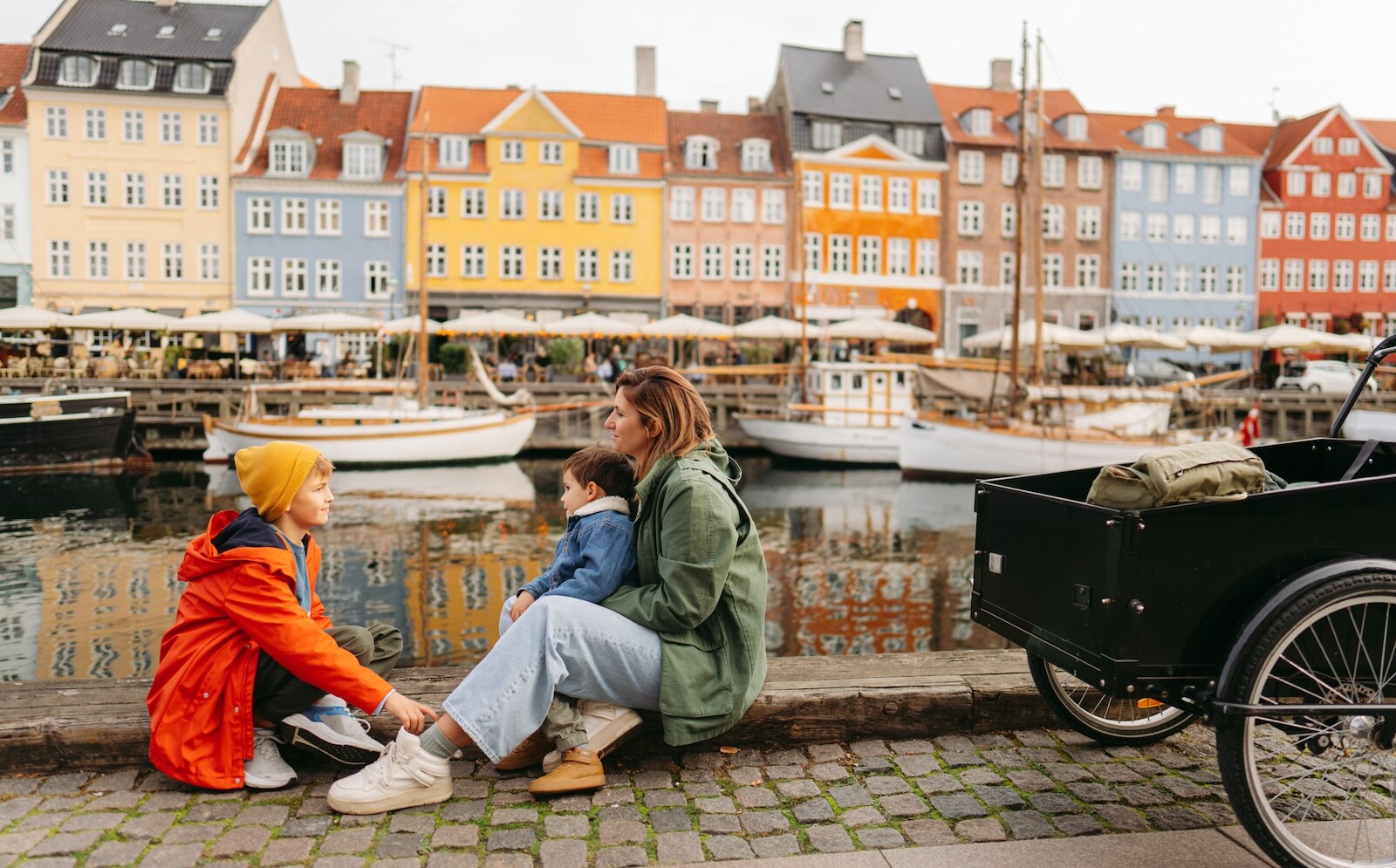
When residents of Copenhagen want to get to work, they don't squeeze onto a subway or sit in a traffic jam. Most of them hop on a bike.
Copenhagen has more bikes than people — a city of about 650,000 residents with roughly 700,000 bicycles. This Viking fishing village turned eco-capital has now been crowned the world's most liveable city for the second year in a row, according to the annual Global Liveability Index compiled by the Economist Intelligence Unit.
The Danish capital edged out Vienna and Melbourne, scoring perfect marks in education, infrastructure, and stability. But it's the city's bike culture and people-first approach to city planning that other places are trying to copy. Urban planners even have a name for it: "Copenhagenisation."
This year's index assessed 173 cities across five categories: stability, healthcare, culture and environment, education, and infrastructure. And one big trend stood out: Asian cities are climbing the rankings faster than European ones.
For the first time, there are now nine Asian cities in the top 20 — compared to just seven European cities. This shift comes as Western European cities have seen their scores stagnate, while Asian cities have improved, especially in healthcare.
Chinese cities made some of the biggest leaps this year, led by Fuzhou, an industrial city in the southeast that jumped 23 spots to 93rd place. Healthcare scores in Chinese cities improved after years of public investment. New York also saw one of the biggest improvements across all 173 cities, climbing the rankings thanks to falling crime rates and lower risks of terrorist attacks.
Even cities at the bottom of the list showed signs of hope. Damascus, Syria, remains the lowest-ranked city overall, but its healthcare scores have improved markedly since the previous regime was overthrown. Tripoli in Libya also saw healthcare gains.
Other top finishers included Osaka (7th), Tokyo (10th), Zurich (5th), and Geneva (6th). Three Australian cities made the top 10: Melbourne (3rd), Sydney (4th), and Adelaide (8th).
For Copenhagen, the latest recognition is another milestone in a decades-long transformation from car-choked capital to global model for sustainable city living. Its bike lanes, renewable energy projects, and pedestrian-friendly streets have inspired cities around the world — and the data suggests that model is working.